
Introduction
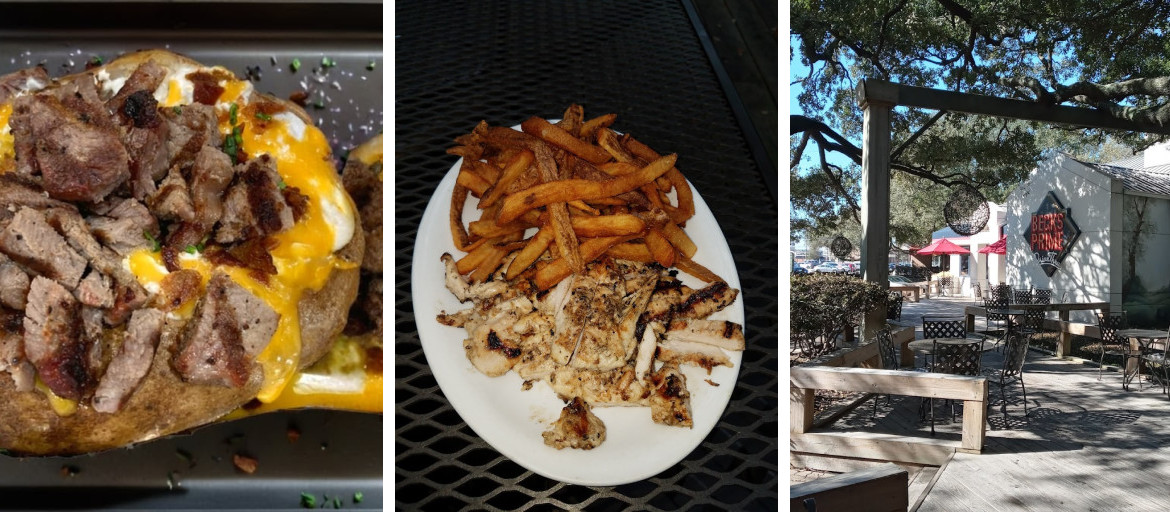
The recent announcement that Becks Prime, a beloved Houston-based restaurant, will close its doors marks the end of an era for many local food enthusiasts. Known for its premium burgers and casual dining experience, Becks Prime has been a staple in the community since its inception. As more restaurants face challenges in the post-pandemic economy, the closure of Becks Prime highlights the broader issues affecting the food service industry. This news reflects trends in consumer behavior, economic pressures, and the ongoing evolution of dining experiences.
Details on the Closure
Becks Prime officially announced its closure on Friday, October 20, 2023, citing a combination of rising operational costs and changes in customer traffic patterns as key factors. The restaurant originally opened in the 1980s and quickly gained a reputation for its high-quality beef choices and classic American fare. Over the years, Becks Prime expanded to several locations across Houston, becoming a popular spot for families, business meetings, and casual dining.
Owner Kevin B. Williamson expressed his regret over the decision, stating in a press release, “After over three decades of serving our community, it is with a heavy heart that we close Becks Prime. Despite our efforts to adapt, the changing economic landscape has made it untenable to continue operations.” Williamson emphasized that the hospitality industry has faced unprecedented challenges, making it particularly difficult for independent restaurants like Becks Prime to thrive.
The Implications for the Local Dining Scene
The closure of Becks Prime serves as a stark reminder for the local culinary landscape, where many independent restaurants are grappling with similar challenges. The pandemic has altered consumer dining habits, with a noticeable shift toward takeout and delivery options over traditional dining. As a result, many establishments have had to pivot their business models, leading to some closures and others struggling to maintain profitability.
Moreover, as the cost of rent and food supply continues to rise, many restaurateurs are left weighing their options. Becks Prime’s closure may lead to heightened competition among dining establishments, pushing others to either innovate or risk closing as well. Industry analysts suggest that diners’ increasing preference for quick-service and fast-casual dining experiences further complicates the situation for traditional sit-down restaurants.
Conclusion
Despite its closure, Becks Prime will be remembered fondly by its loyal customers and the Houston culinary community. The restaurant’s impact on local dining culture and community engagement is significant. Moving forward, it remains crucial for diners to support local businesses that are still operating in the challenging market. As the restaurant industry continues to evolve, it will be interesting to see how the remaining establishments adjust to the changing landscape in Houston.