
Introduction
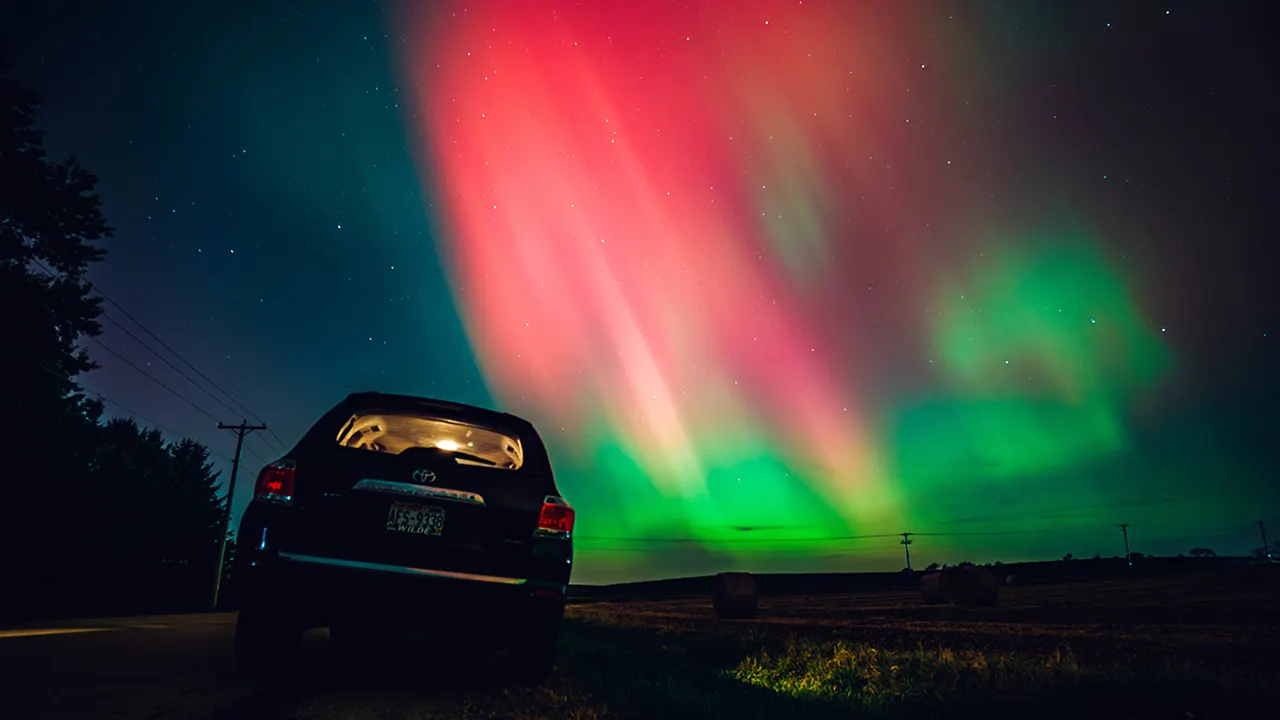
The Northern Lights, or Aurora Borealis, continue to mesmerize millions of people each year with their captivating displays of color lighting up the night sky. Understanding the forecast for these natural wonders is not only crucial for enthusiasts and tourists hoping to witness the spectacle but also for scientists seeking to comprehend their complex nature. As the 2023 Aurora Borealis season unfolds, this article presents the latest predictions, sightings, and guidance for those eager to catch a glimpse of this phenomenal phenomenon.
Current Forecast for the Northern Lights
As of October 2023, the Aurora Borealis is expected to reach more active levels due to an increase in solar activity. Solar flares and coronal mass ejections have been predicted within the upcoming weeks, providing ideal conditions for Northern Lights visibility, particularly in northern areas of the United States and Canada. According to the NOAA Space Weather Prediction Center, areas such as Alaska, northern Minnesota, and parts of Montana are likely to see heightened activity. Meteorologist and Aurora expert Dr. Emily Miller emphasizes, ‘The next few months are expected to be robust for Aurora activity, especially during geomagnetic storms.’
Best Viewing Locations and Tips
For those wishing to optimize their chances of witnessing the Northern Lights, certain locations stand out. Fairbanks, Alaska, is frequently labeled the best place due to its clear skies and minimal light pollution. Other prime locations include Yellowknife in Canada and the Lofoten Islands in Norway. The best time to view the Aurora is typically between late September and early April, peaking around the equinox. Enthusiasts are recommended to stay away from city lights, and familiarize themselves with local aurora forecast apps and websites for real-time updates. Being patient and planning for several nights of observation will greatly enhance your chances of a successful sighting.
Conclusion
As we head further into the Aurora season, the forecast for the Northern Lights is promising, giving both avid sky watchers and casual observers plenty of opportunities to experience this natural wonder. Greater solar activity coupled with ideal viewing conditions sets the stage for vibrant displays. Whether planning a dedicated aurora trip or simply looking to catch a glimpse, staying informed about the forecasts and embracing the adventure will ensure a memorable experience under the captivating glow of the Northern Lights.