
Introduction
Tesla, Inc. has emerged as a transformative force in the automotive industry, committing itself to sustainable transportation through electric vehicles (EVs). Founded in 2003, Tesla spearheaded the shift away from traditional gasoline-powered cars and has played a pivotal role in the global movement towards renewable energy. With its innovative approach to electric vehicle design and manufacturing, Tesla has not only disrupted the automotive market but also set new standards for efficiency and safety.
Current Developments and Innovations
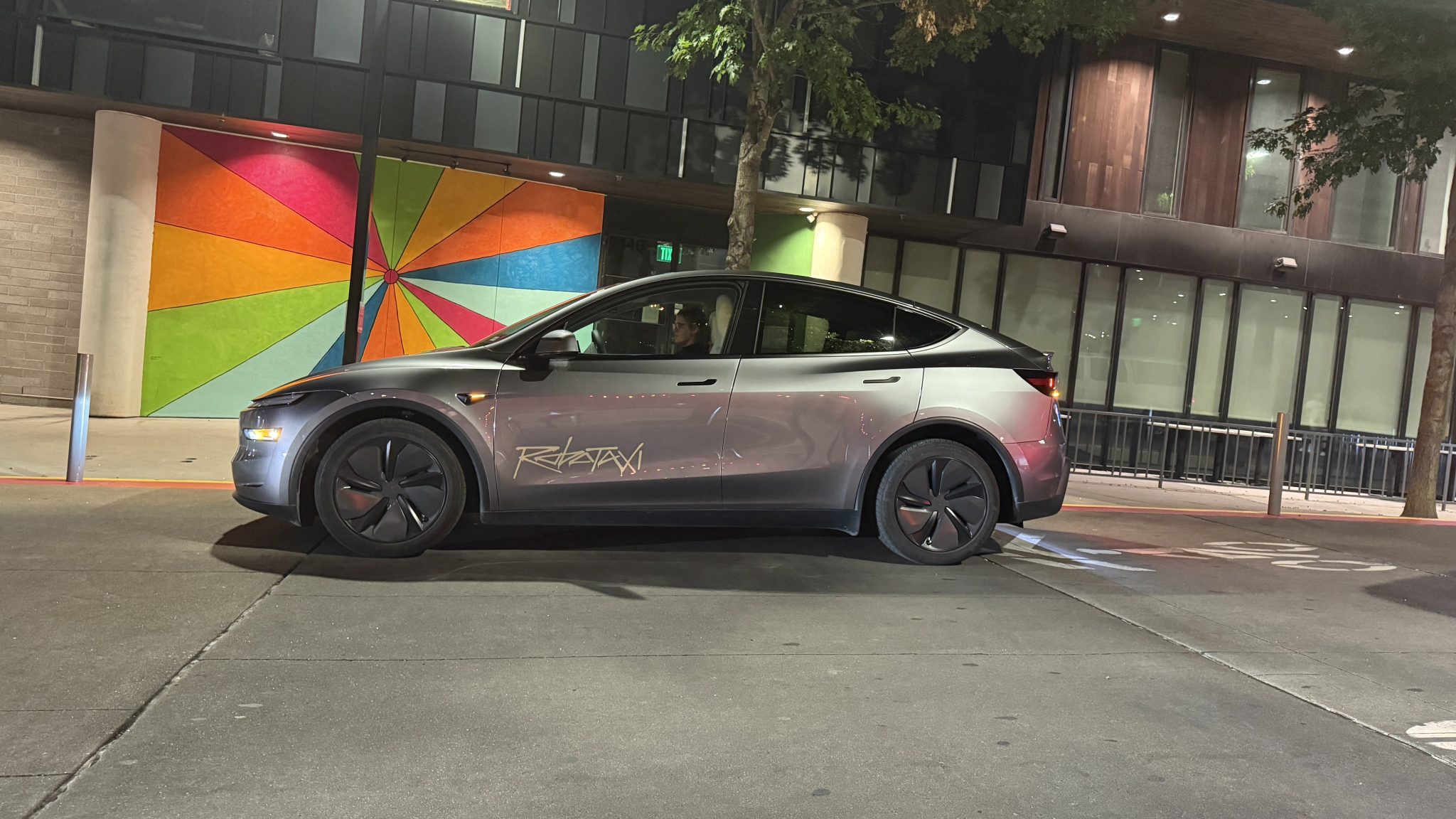
As of 2023, Tesla continues to lead the market with a variety of electric models, including the Model S, Model 3, Model X, and Model Y. The company recently unveiled plans for the Cybertruck, a highly anticipated all-electric truck designed for both durability and performance. The Cybertruck’s unique design and features are set to challenge traditional pickup trucks.
In addition to vehicle production, Tesla is advancing battery technology and energy storage solutions. With the introduction of the Tesla Megapack, the company aims to enhance energy management for businesses and utilities, supporting a more sustainable energy infrastructure. Moreover, Tesla’s ongoing development of autonomous driving technology, particularly through its Full Self-Driving (FSD) software, is poised to revolutionize how we interact with vehicles.
Challenges and Criticism
Despite its achievements, Tesla faces challenges. The intense competition in the EV market as traditional automakers ramp up their electric offerings poses a significant threat. Additionally, concerns about vehicle safety, production delays, and service center accessibility have been raised by customers and analysts alike. Tesla’s CEO, Elon Musk, has also attracted criticism over his social media presence and public statements, prompting discussions about corporate governance and leadership practices.
Conclusion
As Tesla continues to innovate and expand its influence, its role in shaping the future of the automotive industry cannot be underestimated. The advancements in electric vehicle technology, coupled with the push for sustainable energy, signify a monumental shift in how we think about transportation. Looking ahead, Tesla’s success will depend on its ability to navigate existing challenges while maintaining its commitment to innovation. For consumers, investors, and industry observers, the evolution of Tesla will likely dictate the trajectory of the electric vehicle market and sustainable practices in the years to come.