
Introduction
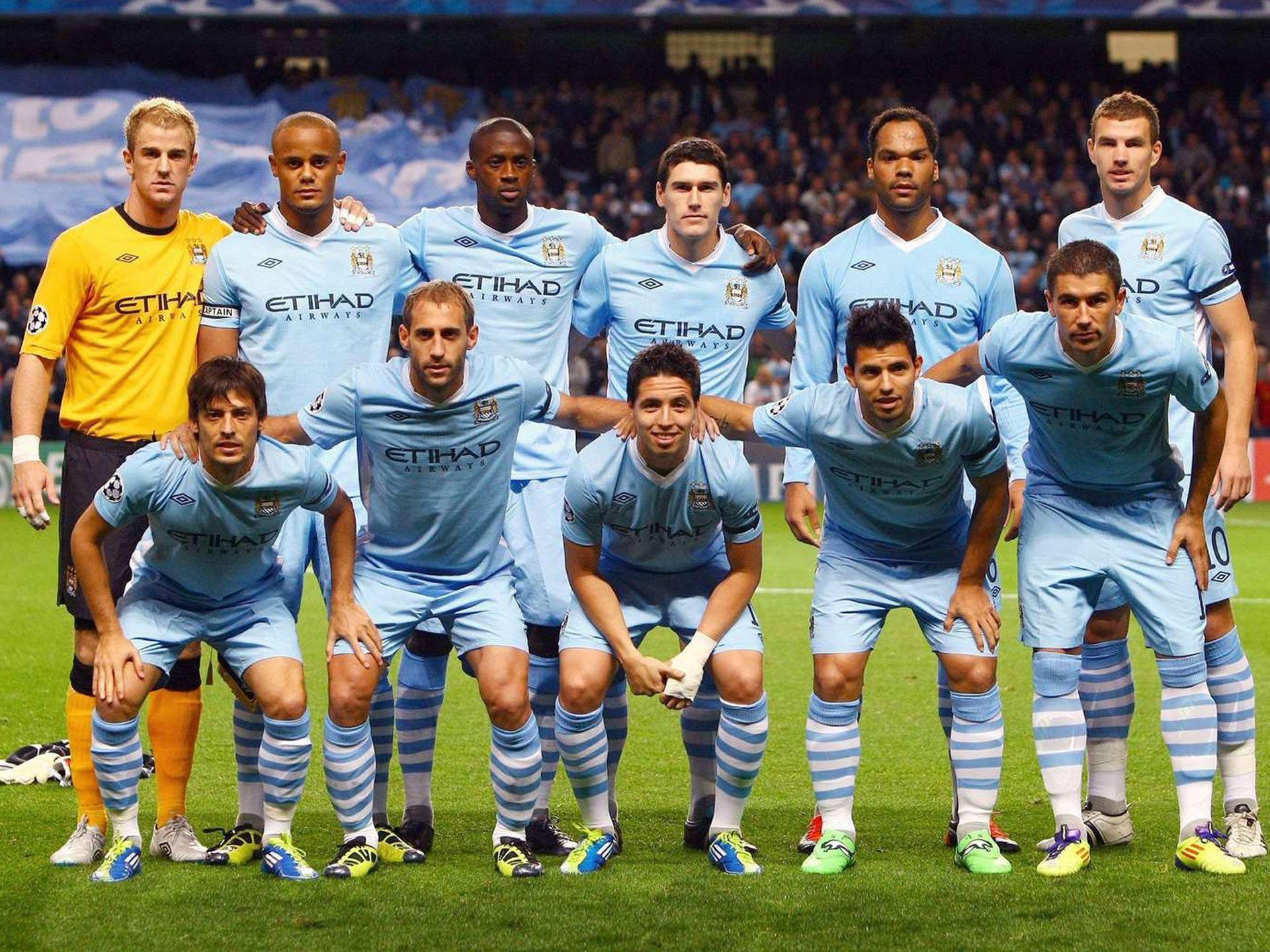
Manchester City Football Club has established itself as a powerhouse in modern football, garnering attention and admiration from fans across the globe. Founded in 1880, the club has undergone significant transformations, particularly in the last decade, marked by substantial investments and strategic management. Their recent success is a testament to their commitment to excellence, making the study of Manchester City crucial for understanding contemporary football dynamics.
Recent Achievements
Under the management of Pep Guardiola, who took the helm in 2016, Manchester City has achieved remarkable success, including four Premier League titles in the last five seasons. The team’s attacking style and tactical adaptability have redefined modern football, allowing them to dominate both domestic and international competitions. In June 2023, they completed a historic Treble by winning the Premier League, FA Cup, and UEFA Champions League, a feat only accomplished by a few clubs in the sport’s history.
Key Players and Squad Dynamics
The rise of Manchester City is attributed not only to their managerial strategies but also to the exceptional talent within their squad. The likes of Kevin De Bruyne, Erling Haaland, and Phil Foden have become household names, contributing significantly to the team’s attacking prowess. Haaland, in particular, made headlines with his incredible goal-scoring record in his debut season, further solidifying City’s status as a leading force in football.
Financial and Structural Growth
Manchester City’s success is also deeply intertwined with its financial backing. The club’s ownership by the City Football Group, which has invested billions into player acquisitions, infrastructure, and facilities, has positioned Manchester City ahead of many competitors. City’s Etihad Stadium has seen significant upgrades, enhancing the matchday experience and solidifying a loyal fan base. Their commitment to youth development through the City Football Academy has fostered the next generation of football stars.
Conclusion
As Manchester City continues to excel, the implications for the broader football landscape are considerable. Their approach to club management, investment in player development, and commitment to innovation set a standard for other teams to follow. Looking forward, Manchester City aims to further solidify its legacy in football history, with ambitions in both domestic leagues and European competitions. Fans and analysts alike will be closely watching to see how this dynamic club evolves and maintains its position at the pinnacle of the sport.