
Introduction
Uzbekistan, a landlocked country in Central Asia, has gained increased attention in recent years due to its rich cultural heritage and rapidly improving economy. With its stunning architecture, history along the Silk Road, and diverse traditions, Uzbekistan is becoming a focal point for travelers and investors alike. The nation was known for its significant historical cities, but it is currently undergoing transformational changes that have implications for both tourism and trade.
The Cultural Heritage of Uzbekistan
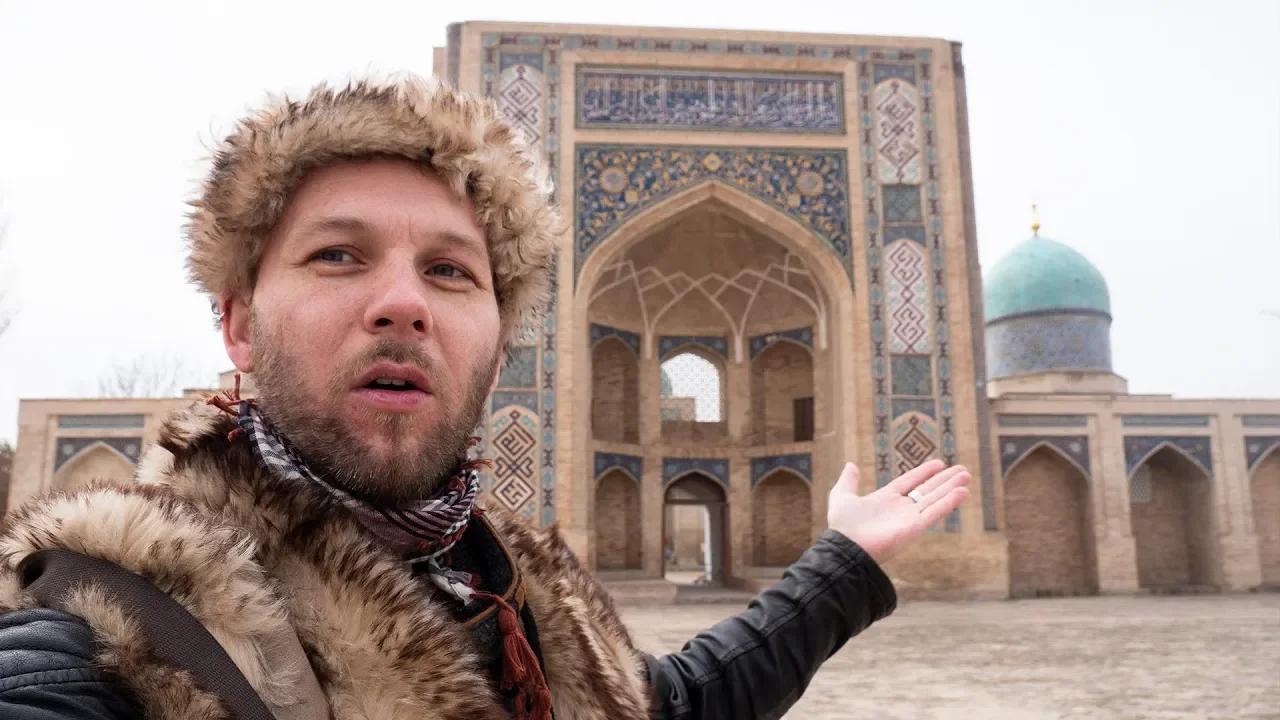
Uzbekistan boasts a unique blend of cultures influenced by Persian, Arab, Turkic, and Russian traditions. Key historical cities such as Samarkand, Bukhara, and Khiva are replete with monuments dating back to the Islamic Golden Age. UNESCO has recognized many of these sites for their cultural significance, drawing thousands of visitors annually. Festivals such as Navruz, marking the Persian New Year, showcase the food, music, and art of Uzbek culture, helping to promote national identity while welcoming international guests.
Economic Developments and Opportunities
The economic landscape of Uzbekistan is witnessing significant reform, particularly under the leadership of President Shavkat Mirziyoyev since 2016. The government has launched initiatives to attract foreign investments, liberalize the currency, and enhance the business climate. The nation has abundant natural resources, including copper, gold, and natural gas, propelling its move towards an industrialized economy. The agricultural sector, particularly cotton production, is also integral, though efforts are underway to diversify crops and improve sustainability.
Recent Events and Future Prospects
In recent developments, Uzbekistan is fostering strong partnerships with various countries, including the United States, to bolster trade relations and create infrastructure projects. The establishment of the ‘Tourism Development Strategy’ aims to increase the number of annual visitors to 7 million by 2025. Additionally, Uzbekistan’s membership in regional organizations signifies its commitment to stability and collaboration in Central Asia, positioning it as a bridge between East and West.
Conclusion
In conclusion, Uzbekistan stands at a crossroads of rich history and modern economic transformation. As the country opens its doors to tourists and investors, the potential for growth is immense. Understanding its cultural significance can enhance the travel experience while recognizing its economic aspirations reveals opportunities for global partnerships. Uzbekistan’s journey from historical depth to contemporary relevance illustrates a nation that is not only preserving its past but is also paving the way for a vibrant future.