
Introduction
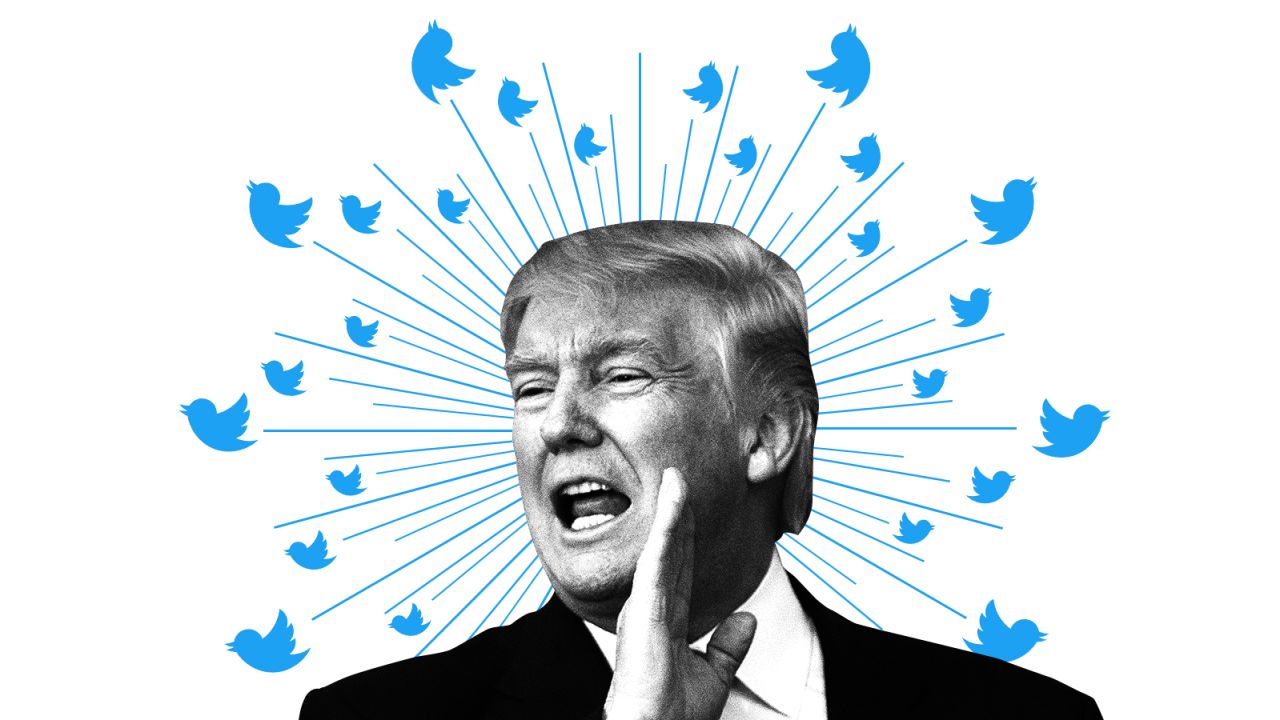
The role of social media in shaping political discourse has accelerated dramatically in recent years, with Twitter emerging as a dominant platform. In this landscape, former President Donald Trump has arguably left a lasting imprint on Twitter, using it as a tool for communication, mobilization, and controversy. The significance of his presence on the platform continues to resonate across political lines, reflecting broader trends in social media’s influence on politics.
Trump’s Twitter Journey
Donald Trump joined Twitter in 2009, but it was during his 2016 presidential campaign that he truly harnessed its power. With over 88 million followers at the time he left office, Trump frequently utilized the platform to communicate directly with his supporters, bypassing traditional media outlets. His tweets often set the news agenda, addressing everything from policy points to personal grievances, and sometimes igniting major political controversies.
Contentious Tweets and Their Impact
During his presidency, Trump’s tweets became known for their provocative nature. Whether discussing immigration, foreign affairs, or his opponents, his unapologetic style resonated with his base and fueled significant media coverage. For instance, Trump’s tweets regarding the COVID-19 pandemic sparked debates about misinformation and public safety. Critics argued that his statements undermined scientific consensus, while supporters praised his direct communication style.
The Twitter Ban and Its Aftermath
In January 2021, following the Capitol riots, Trump was permanently banned from Twitter, a move that ignited discussions about free speech and the power of social media companies. The ban raised questions about censorship and the responsibility of platforms to mitigate harmful rhetoric. Following his Twitter ban, Trump launched his own social media platform, Truth Social, in February 2022, aiming to provide an alternative outlet for his messages.
Conclusion: A New Era of Political Communication
Trump’s relationship with Twitter symbolizes a transformative period in the way political figures interact with the public. As we move forward, the historical significance of Trump’s Twitter presence serves as a case study for understanding how social media can drive political narratives. The implications of his ban and subsequent ventures into social media further complicate the relationship between politics and online discourse. For social media users and observers alike, Trump’s influence is a reminder of the potential power and peril of digital communication in modern politics.