
Introduction
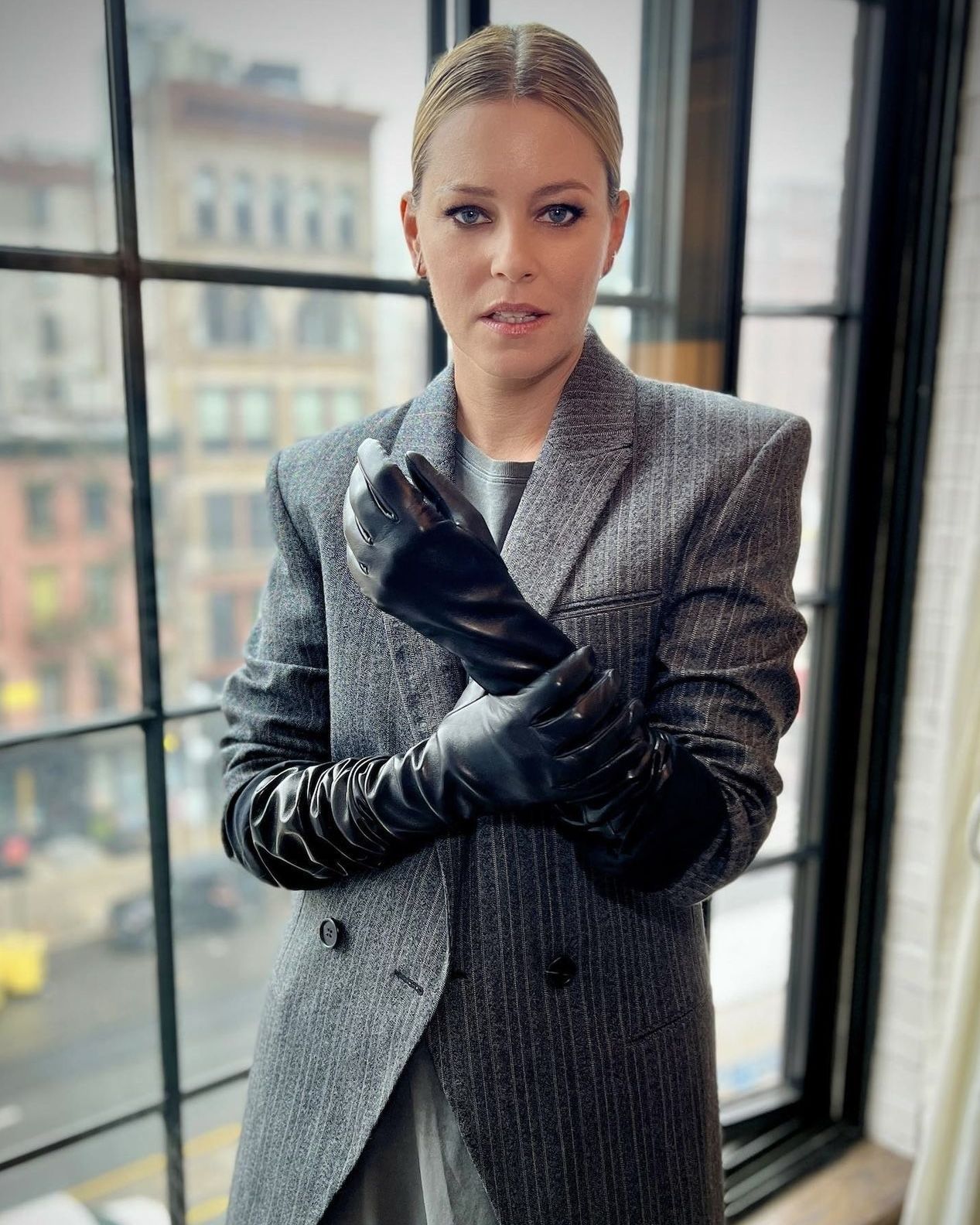
Elizabeth Banks is a prominent figure in the entertainment industry, known for her versatility as both an actress and a director. With an impressive career spanning over two decades, she has successfully transitioned from comedic roles to serious performances, while also making her mark behind the camera. Understanding her impact on the industry is essential as it highlights the evolving role of women in Hollywood and the changes in storytelling that resonate with today’s audiences.
Career Highlights
Born on February 10, 1974, in Pittsfield, Massachusetts, Elizabeth Banks graduated from the University of Pennsylvania before pursuing her dream in acting. She gained initial fame with supporting roles in films such as “Wet Hot American Summer” and “The 40-Year-Old Virgin”. However, it was her role as Effie Trinket in the “Hunger Games” franchise that catapulted her to international stardom.
In addition to her work in front of the camera, Banks has established herself as a formidable director. She made her directorial debut with the comedy “Pitch Perfect 2” in 2015, which grossed over $286 million worldwide, making her one of the highest-grossing female directors. Following this success, she directed the action-comedy “Charlie’s Angels” (2019), showcasing her ability to blend humor with action-packed narratives.
Recent Projects
Currently, Banks is involved in several exciting projects. She recently starred in the critically acclaimed film “Cocaine Bear” (2023), which combines dark humor with a riveting story based on true events. This film has been widely discussed due to its unique premise and entertaining execution. Moreover, Banks is set to return to the director’s chair for the upcoming sequel to “Pitch Perfect”, indicating her continued influence in the musical comedy genre.
Influence and Advocacy
Beyond her artistic contributions, Banks is an outspoken advocate for gender equality in the film industry. She has voiced her support for more opportunities for women behind the camera and in leading roles. This advocacy is vital as the industry continues to push for more inclusive narratives and representation.
Conclusion
Elizabeth Banks continues to evolve as a pivotal figure in Hollywood, breaking barriers as both an actress and a director. Her work not only entertains but also inspires a new generation of filmmakers. As audiences anticipate her upcoming projects, it’s clear that Banks will remain a significant force, advocating for diversity and creativity in the film industry. Her contributions underscore the importance of recognizing diverse voices in storytelling, shaping the future of cinema.