
Introduction
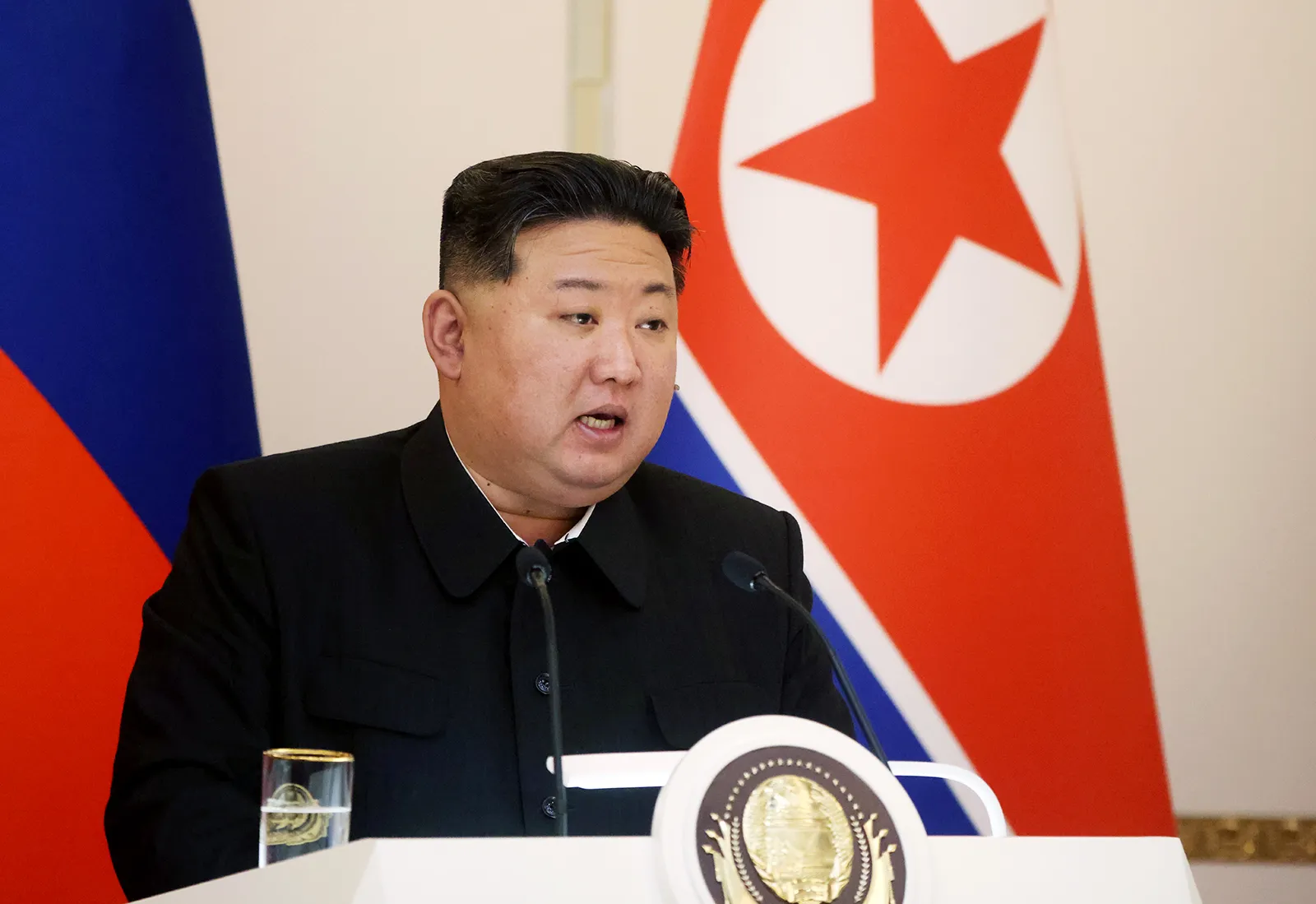
Kim Jong Un, the Supreme Leader of North Korea, has been a pivotal figure in global politics, especially in the Asia-Pacific region. His leadership has charmed and alarmed the international community due to the secretive nature of his regime, rapid nuclear advancements, and ongoing talks of diplomacy. Understanding Kim’s role is crucial in grasping the current geopolitical climate, as his decisions affect not only North Korea but also neighboring countries like South Korea and Japan, as well as major powers such as the United States and China.
Recent Developments
As of late 2023, Kim Jong Un has continued to solidify his position domestically while navigating complex international relationships. In September, he attended military parades showcasing North Korea’s military hardware, including advances in missile technology that highlight the nation’s progress in its nuclear arsenal. On the other hand, his regime has also indicated a willingness to engage in diplomatic talks, as evidenced by his recent discussions with South Korean officials aimed at easing tensions over military exercises in the region.
Additionally, Kim’s recent visit to Russia marks a significant shift in alliances. This visit led to discussions on military cooperation, raising concerns in Washington and among U.N. allies regarding potential arms trade and strategic military partnerships. The implications of Kim strengthening ties with Russia, especially amid the conflict in Ukraine, signal a potential reconfiguration of power in East Asia.
Implications for the Future
Looking ahead, experts are split on the trajectory of Kim Jong Un’s rule. Some analysts suggest that his aggressive stance on military development will lead to increased isolation for North Korea, while others argue that his recent diplomatic overtures could foster new partnerships and improve the economy. As the international community closely monitors Kim’s actions, the potential for either increased hostilities or peaceful negotiations remains dependent on his next strategic decisions.
Conclusion
Kim Jong Un’s leadership continues to influence the dynamics in Northeast Asia profoundly. With his focus on military advancement alongside occasional diplomacy, his regime poses both challenges and opportunities. For citizens around the globe, understanding Kim and his government’s actions is necessary for anticipating future geopolitical shifts that may arise from this unpredictable leadership.