
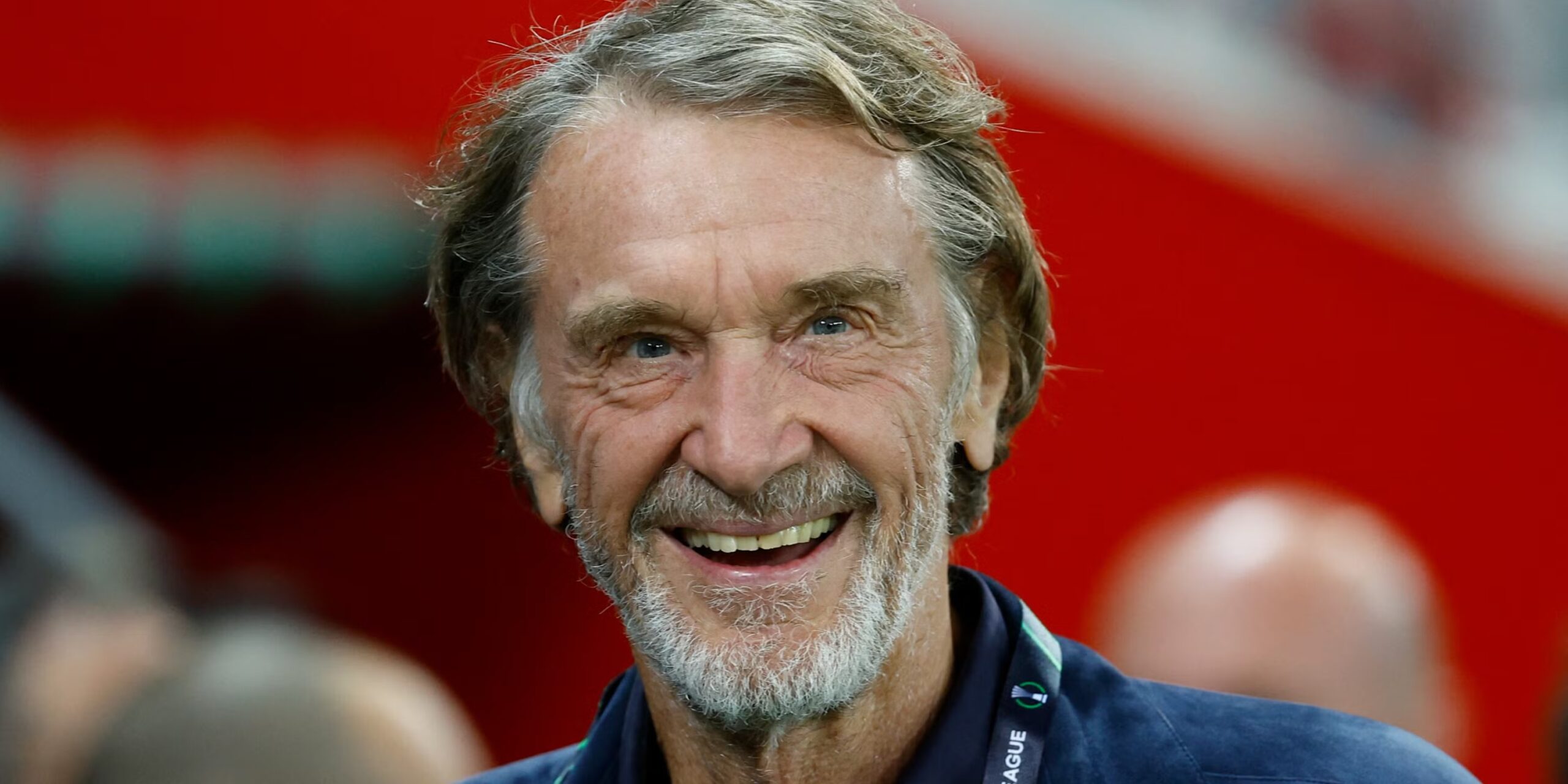
Introduction to Jim Ratcliffe
Jim Ratcliffe, a British billionaire and business magnate, has become a prominent figure in the realms of both industry and sports. His keen business acumen and strategic investments have marked him as a significant player in British capitalism, especially in recent years, as he seeks to impact the sports sector.
Background and Business Ventures
Born in 1952 in Manchester, Ratcliffe founded Ineos, one of the world’s largest chemical companies, in 1998. Under his leadership, Ineos has expanded significantly, acquiring several companies and investing heavily in research and innovation. Ratcliffe’s business strategy focuses on restructuring underperforming firms, enhancing efficiency, and capitalizing on market opportunities.
Investment in Sports
In 2023, Jim Ratcliffe made headlines with his investment in Manchester United Football Club. His bid to acquire a minority stake aimed to provide the club with necessary capital for improvements. Ratcliffe’s involvement in sports extends beyond football; he has also invested in cycling and Formula 1 racing, showcasing his passion for sports and commitment to elevating British talent on a global scale.
Relevance and Impact
Jim Ratcliffe’s activities have stirred considerable interest in both the investment community and sports fans. His relationship with Manchester United has ignited discussions on ownership and governance in football, especially regarding how wealthy investors influence the sport’s direction and identity. Moreover, with Ineos’ innovations in sustainability, Ratcliffe is contributing to greener industrial practices, which are crucial in today’s economic and environmental landscape.
Conclusion
Jim Ratcliffe represents a new wave of entrepreneurial spirit in the UK, intertwining business success with a deep-rooted passion for sports. His endeavors illustrate the intersection of industry and entertainment, raising questions about the future of sports in an age dominated by financial power. As he continues to invest and influence, the broader implications of his actions will likely shape not only corporate practices but also the sports industry, potentially redefining ownership and community engagement in football and beyond.