
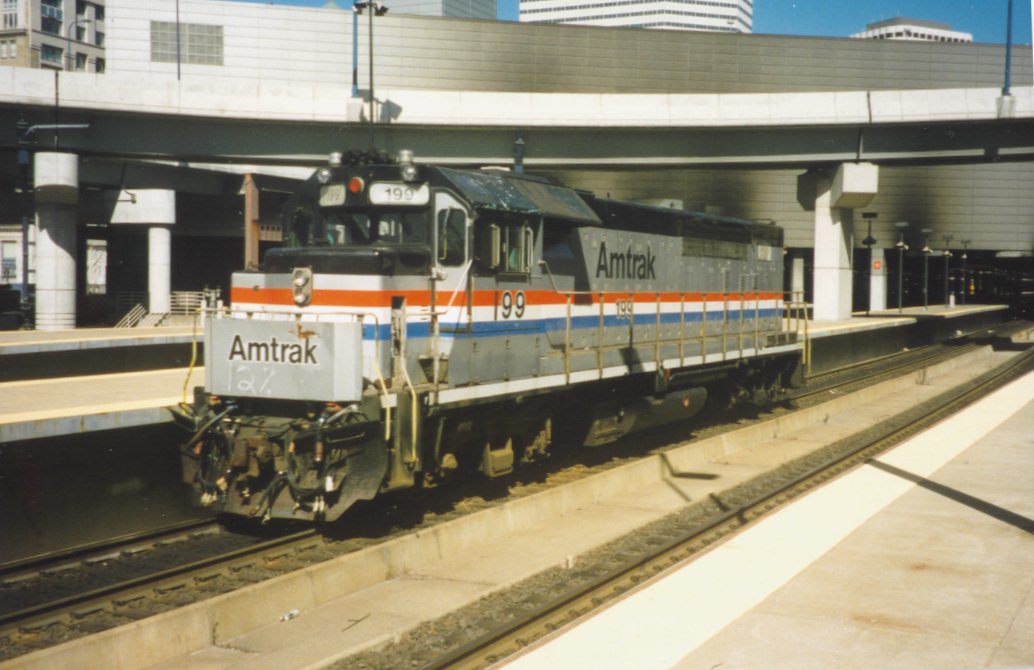
Introduction to Amtrak
Amtrak, officially known as the National Railroad Passenger Corporation, plays a crucial role in the United States’ transportation system. Established in 1971, Amtrak provides intercity passenger rail services that connect over 500 destinations across 46 states, making it an important alternative to road and air travel. With recent trends towards sustainable travel, Amtrak’s relevance has increased, as it offers a more environmentally friendly option compared to car and plane travel.
Current Operations and Developments
As of 2023, Amtrak has been expanding its services, particularly through upgrades and investments spurred by the Infrastructure Investment and Jobs Act signed into law in 2021. With a commitment of over $66 billion towards infrastructure improvements, Amtrak aims to modernize its aging rail network. Key projects include enhancements to rail stations, the introduction of new trains like the Acela 21, and increased routes in underserved regions of the country.
In recent months, Amtrak has also reported an increase in ridership compared to the pandemic lows of 2020 and 2021. This resurgence is fueled by the growing popularity of train travel due to its safety and convenience. Many travelers are opting to avoid crowded airports and enjoy scenic journeys through the heart of America.
Challenges Facing Amtrak
Despite its growth and relevance, Amtrak still faces significant challenges. Ongoing issues include infrastructure decay, funding limitations, and competition with other modes of transportation. Additionally, labor disputes and staffing shortages have affected operational schedules, leading to delays and cancellations. Amtrak is actively working to address these issues, striving to provide a reliable travel experience while balancing budget constraints.
Conclusion: The Future of Amtrak
The future of Amtrak appears promising as the demand for sustainable travel options increases. With governments and communities recognizing the importance of a strong rail network, Amtrak is well-positioned to evolve and expand its services further. Travelers can expect more frequent services and improved amenities, making train travel an attractive option for generations to come. For readers, staying informed about Amtrak’s developments can pave the way for more enjoyable travel experiences, while supporting the broader goals of reducing traffic congestion and greenhouse gas emissions.