
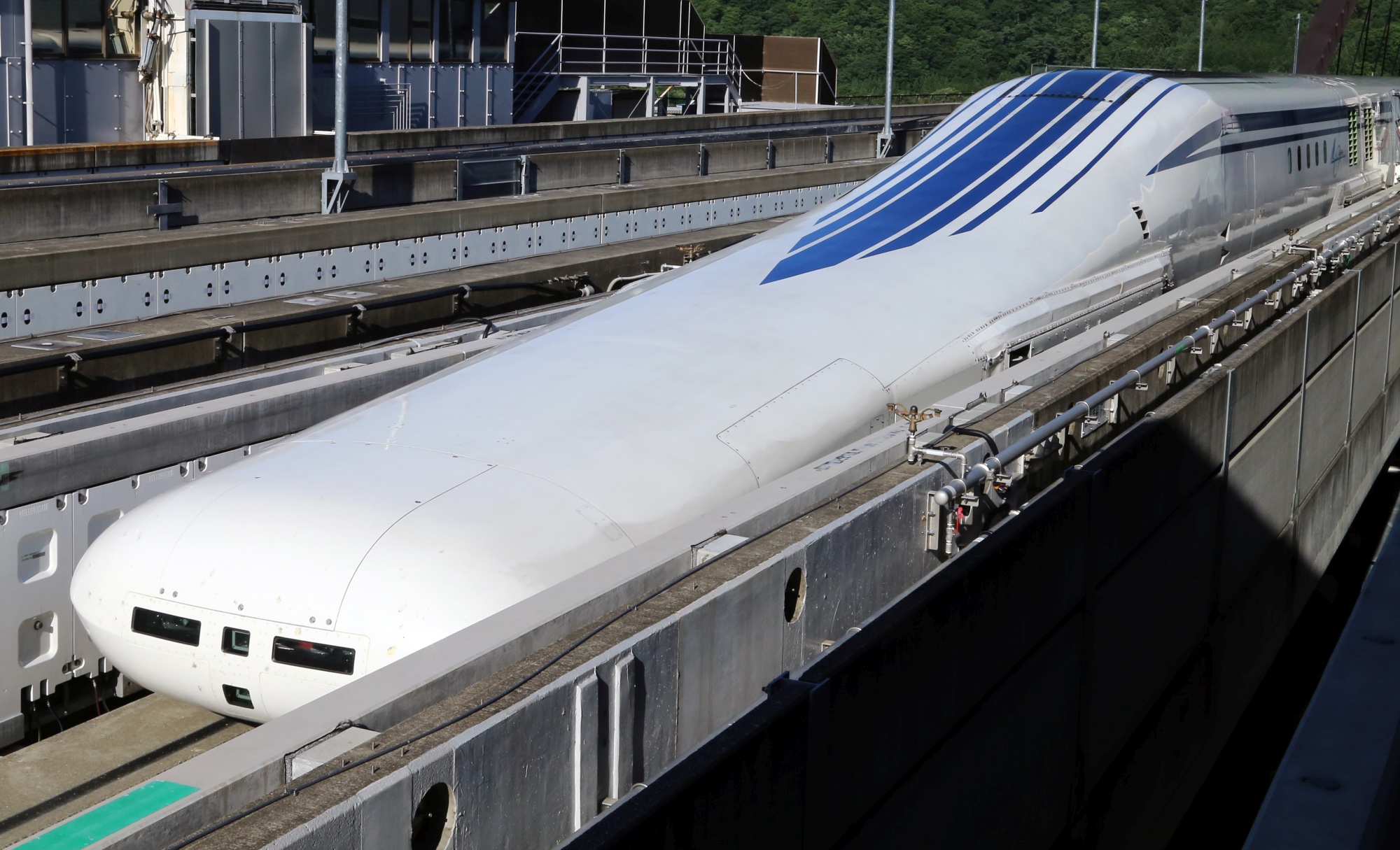
Introduction to Maglev Technology
Maglev, short for magnetic levitation, is a cutting-edge transportation technology that uses magnetic forces to lift and propel trains without physical contact between the train and tracks. This technology promises faster, smoother, and more efficient travel compared to traditional rail systems. As urban populations grow and climate change becomes a pressing concern, the relevance of maglev technology in creating sustainable transportation solutions has never been greater.
Recent Developments in Maglev Systems
Countries around the world are investing in maglev technology to enhance their transportation infrastructures. In Japan, the Central Japan Railway Company recently announced the test runs of its next-generation maglev train, which is designed to travel at speeds exceeding 600 km/h (373 mph). This train will connect Tokyo to Nagoya in just 40 minutes, significantly reducing travel time for passengers. Also making headlines, China is expanding its maglev capabilities with the recent launch of a commercial maglev line in Shanghai that connects the city to its airport, serving millions of travelers annually.
Implications for Global Transportation
The implications of maglev technology are vast. It not only reduces travel times but also minimizes pollution and energy consumption compared to conventional trains and planes. Maglev trains are quieter, producing less noise pollution, and can be powered by renewable energy sources, contributing towards greener cities. Moreover, the maintenance costs of maglev systems are lower, as the absence of physical contact reduces wear and tear on components. With governments aiming to meet climate targets, maglev could be pivotal in the transition to sustainable transport.
Challenges Ahead
Despite its potential, maglev technology faces several challenges. The initial infrastructure investment is significantly higher than traditional rail systems, which can deter governments from pursuing such projects. Additionally, public acceptance and the need for wider networks that connect existing lines to new maglev routes are vital for the successful implementation of these systems. Moreover, advancing the technology and scalability to urban environments remains a hurdle.
Conclusion
The development and implementation of maglev technology present a promising horizon for the future of transportation. As innovations continue and more systems are tested, we may soon witness a paradigm shift in how we travel. With potential benefits for efficiency, sustainability, and speed, maglev technology not only holds the key to advanced mobility but also serves as a significant contributor to combating climate change in transportation. Continued investment and research are crucial as cities and countries look to streamline and enhance their transportation networks efficiently.