
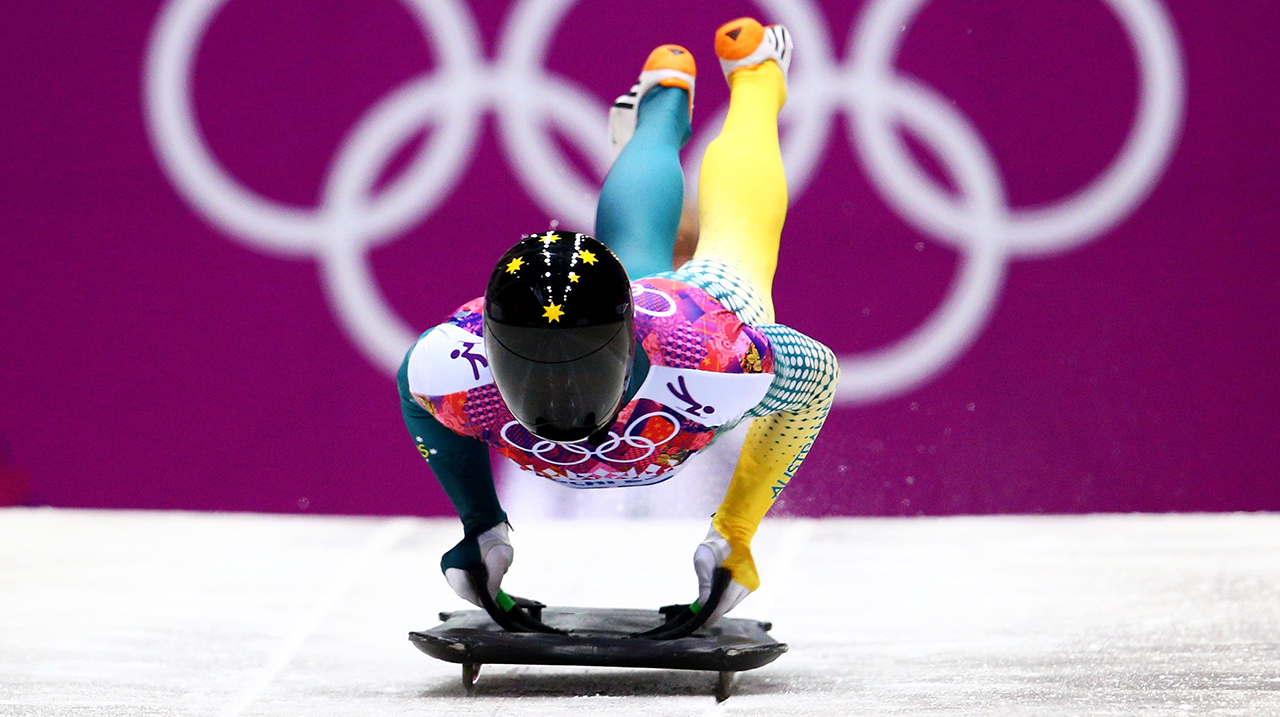
Introduction to Skeleton Olympics
The Skeleton Olympics is an exhilarating winter sport that combines speed, skill, and courage as athletes navigate a winding, icy track on a small sled. As one of the key events in the Winter Olympic Games, it has captivated audiences worldwide since it was introduced in 1928. The importance of skeleton lies not just in its thrilling athleticism but also in its representation of human perseverance and the quest for excellence in the face of extreme competition.
The History and Development of Skeleton
The origin of skeleton can be traced back to the late 19th century in Switzerland, evolving from simple tobogganing. Over the years, it gained popularity and was included in the Olympic program during the 1928 Winter Games in St. Moritz. After being dropped from the Olympics, it returned in 1948 and has steadily grown in popularity, especially among nations like Canada, the United States, and Germany.
Key Aspects of Skeleton Competitions
Skeleton events feature male and female competitors who race individually on their sleds, headfirst and face down. The tracks for skeleton races are specially designed to provide optimal speed and safety, often measuring over 1,400 meters in length. Competitors aim for the fastest combined time over two or four runs, with precision and technique crucial for making split-second decisions that can determine the outcome of their race.
With athletes reaching speeds over 80 mph, the sport not only tests physical endurance but also mental acuity. Every millisecond counts, and competitors undergo extensive training to perfect their technique, strength, and strategic line through the twists and turns of the track.
The Road to the 2026 Winter Olympics
As the world gears up for the upcoming 2026 Winter Olympics in Milan-Cortina, interest in skeleton is surging. National teams are finalizing their rosters and engaging in rigorous preparations to ensure peak performance. Competitions and qualifications are underway, providing a platform for athletes to showcase their skills and vie for a spot on the Olympic stage. Teams around the globe are investing in advanced technologies and training methods to refine not only their sled designs but also their racing techniques, making the races more thrilling than ever.
Conclusion: The Significance of Skeleton in Sports
In conclusion, the Skeleton Olympics exemplifies a unique blend of speed, strategy, and adrenaline, providing a captivating spectacle for sports fans. As the sport continues to evolve with advancing technology and training, the excitement surrounding its Olympic events is expected to grow. With the impending Olympics, both competitors and fans are looking forward to witnessing thrilling feats of athleticism, sure to inspire the next generation of skeleton athletes. The Skeleton Olympics not only showcases the peak of winter sports but also fosters a sense of community and international camaraderie among athletes.