
Introduction
George Washington, the first President of the United States, is a foundational figure in American history. His leadership during the American Revolution and his role in shaping the early government of the United States make him a pivotal character. Understanding Washington’s contributions is crucial as they set the stage for the nation’s growth and development.
Key Contributions
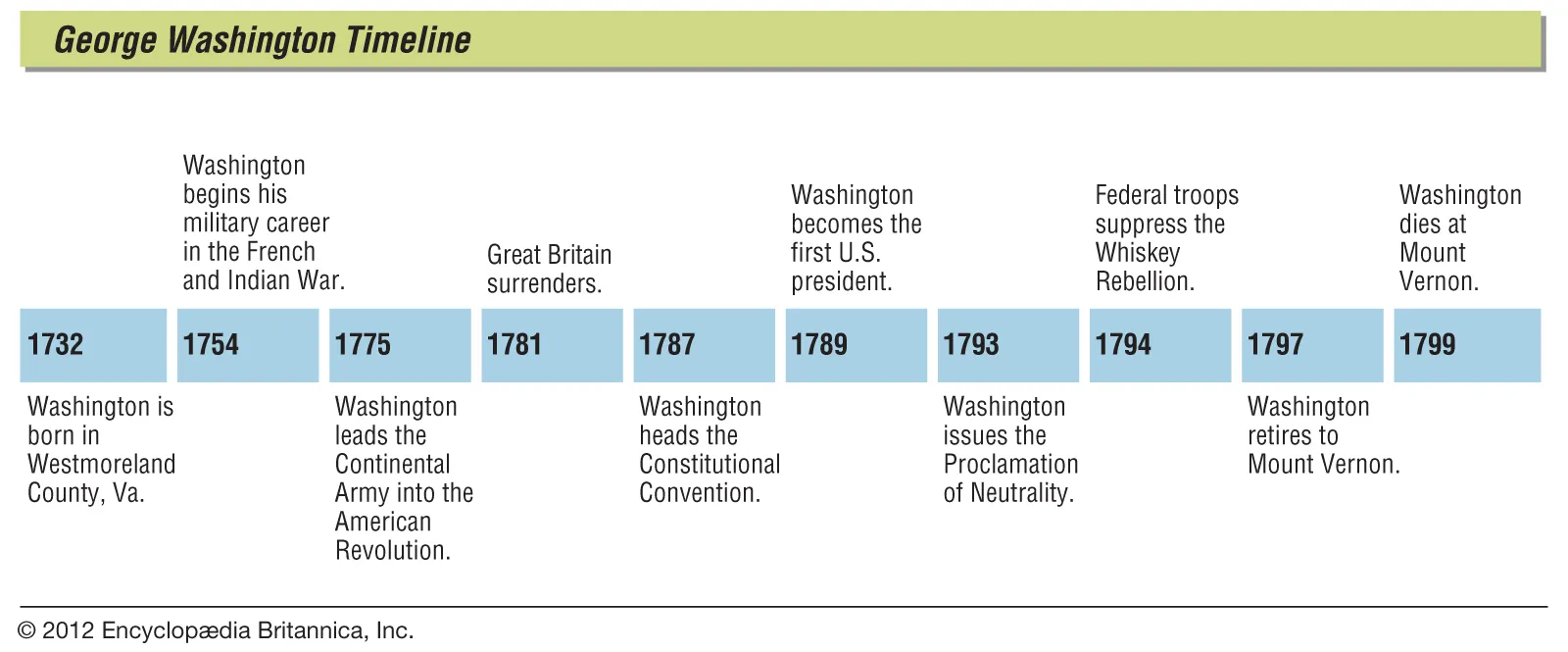
Born on February 22, 1732, in Westmoreland County, Virginia, Washington’s early life shaped his future leadership. He began his career as a surveyor and gained military experience during the French and Indian War. However, it was his leadership during the American Revolution (1775-1783) that carved his name into history.
Serving as the Commander-in-Chief of the Continental Army, Washington faced numerous challenges, including a lack of resources, military training, and overwhelming opposition from British forces. His strategic prowess, notably at the Siege of Yorktown in 1781, ultimately led to American independence.
Presidency and Policies
After the war, Washington was unanimously elected as the first President of the United States in 1789. His presidency established many protocols and traditions still followed today. One of his significant achievements was the establishment of a cabinet and the creation of a federal judiciary system, which laid the groundwork for the executive and judicial branches of government.
Washington’s Farewell Address in 1796 warned against political factions and foreign alliances, advice that resonates in today’s political landscape. His decision to step down after two terms set a precedent for future presidents, reflecting his belief in the democratic principle of a peaceful transfer of power.
Conclusion
George Washington’s legacy continues to influence American politics and identity. By embodying the virtues of leadership, resilience, and civic responsibility, he remains a symbol of the nation’s founding principles. As America faces new challenges, the values Washington championed serve as a reminder of the enduring spirit of democracy. Understanding his life and contributions not only provides insight into the past but also informs present and future generations about the importance of leadership in the pursuit of liberty and justice.