
Introduction
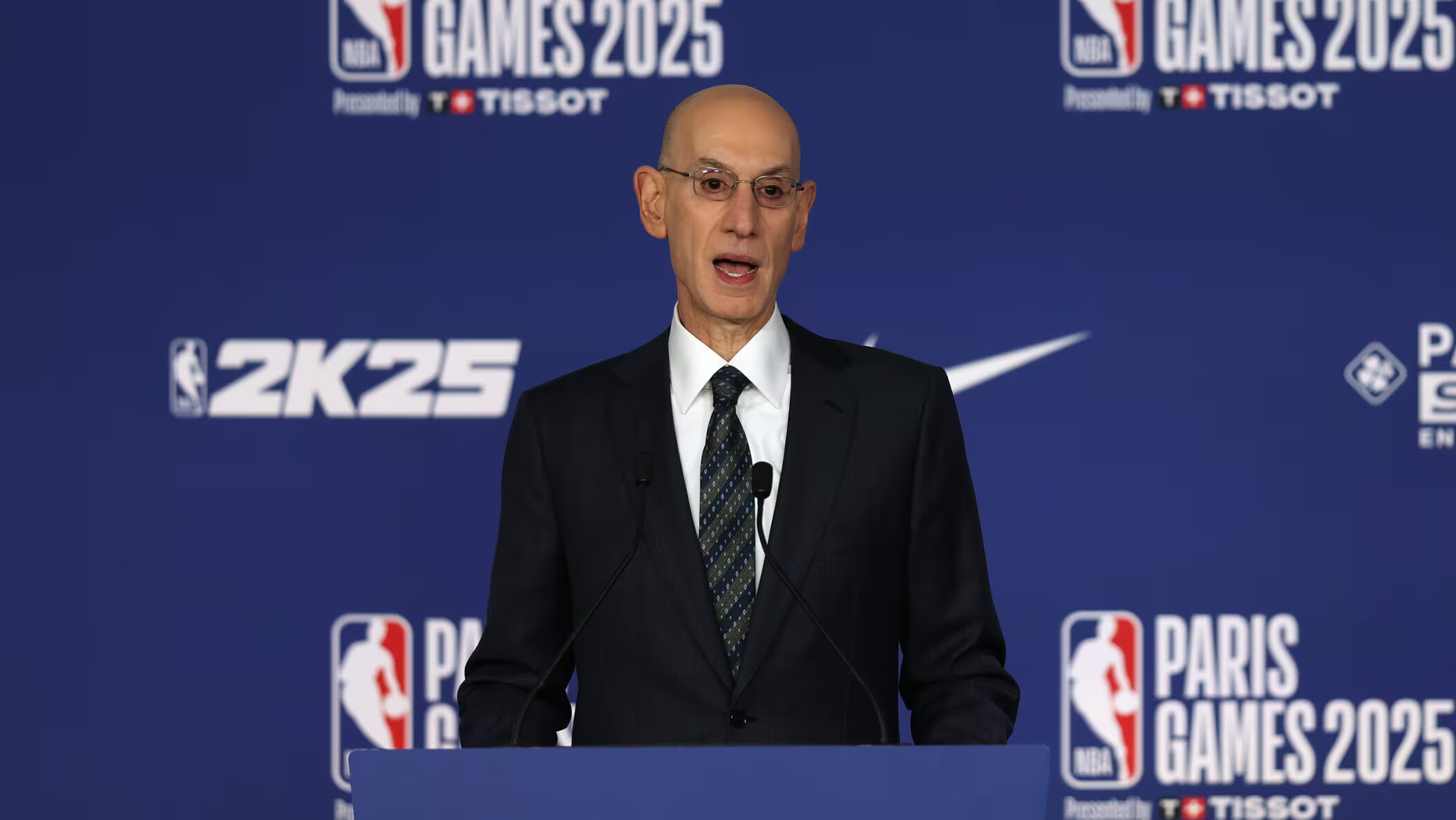
Adam Silver has been the Commissioner of the National Basketball Association (NBA) since February 2014, succeeding the long-serving David Stern. His leadership has been pivotal in modernizing the league, promoting global outreach, and addressing social issues within the sport. Silver’s tenure has not only been defined by high-profile events but also by navigating the complexities of a rapidly changing sports landscape, making his role increasingly important in contemporary sports governance.
Achievements and Initiatives
One of Silver’s most notable achievements has been the expansion of the NBA’s reach globally. Under his guidance, the league has seen a significant increase in its international viewership and partnerships, including the introduction of NBA Global Games. Silver has also overseen the growth of the NBA G League, helping to develop young talents and create a direct pathway to the NBA. Furthermore, Silver has prioritized social justice initiatives, using the platform of basketball to advocate for important issues. The NBA’s response to the Black Lives Matter movement, including the creation of the “NBA Voices” campaign, exemplifies Silver’s commitment to social equity.
Challenges Faced
While Silver’s leadership has received praise, he has also faced considerable challenges. The COVID-19 pandemic tested his management skills as the league was forced to suspend the season in March 2020. Silver’s decision to resume play in a controlled “bubble” environment at Disney World in Orlando was both innovative and necessary, allowing the league to complete its season while prioritizing health and safety. Additionally, the ongoing discussions about player activism and mental health awareness have required Silver to engage thoughtfully with players and fans alike, balancing the league’s business interests with societal responsibilities.
Looking Ahead
As the NBA continues to evolve, the impact of Adam Silver’s leadership will be critical in shaping the future of the league. With conversations about expanding the league’s international footprint, addressing new media rights deals, and improving player welfare, Silver’s vision and strategies will play a crucial role in navigating these waters. His proactive approach suggests a willingness to adapt to the changing needs of players and fans alike, ensuring that the NBA remains at the forefront of professional sports.
Conclusion
The significance of Adam Silver as the NBA Commissioner extends beyond his administrative duties; he is the architect of a modern league that champions diversity, inclusion, and innovation. As he continues to lead, the future of the NBA looks promising, with an increasing focus on global expansion and social consciousness. Silver’s ability to navigate the complexities of sports in the 21st century will undoubtedly leave a lasting legacy in professional basketball.