
Introduction
Michelle Obama, the former First Lady of the United States, has remained a pivotal figure in American culture long after her husband, Barack Obama, left office. Her advocacy work has focused on issues such as health, education, and military families, influencing millions across the globe. Understanding her contribution is crucial as it reflects the changing dynamics of public service and the responsibilities of public figures.
Background and Initiatives
Born on January 17, 1964, in Chicago, Illinois, Michelle Obama distinguished herself early on with academic excellence, earning a law degree from Harvard University. Her tenure as First Lady from 2009 to 2017 saw the launch of several key initiatives aimed at addressing critical national issues. One of her most notable programs, “Let’s Move!”, aimed to combat childhood obesity by promoting healthier eating and physical activity among children.
In addition to health, Michelle Obama has been a passionate advocate for education, particularly for young girls. The “Let Girls Learn” initiative was designed to help girls around the world receive the education they need to thrive and contribute to their communities. These programs not only highlight her dedication to specific causes but also reflect a broader commitment to improving society.
Recent Developments
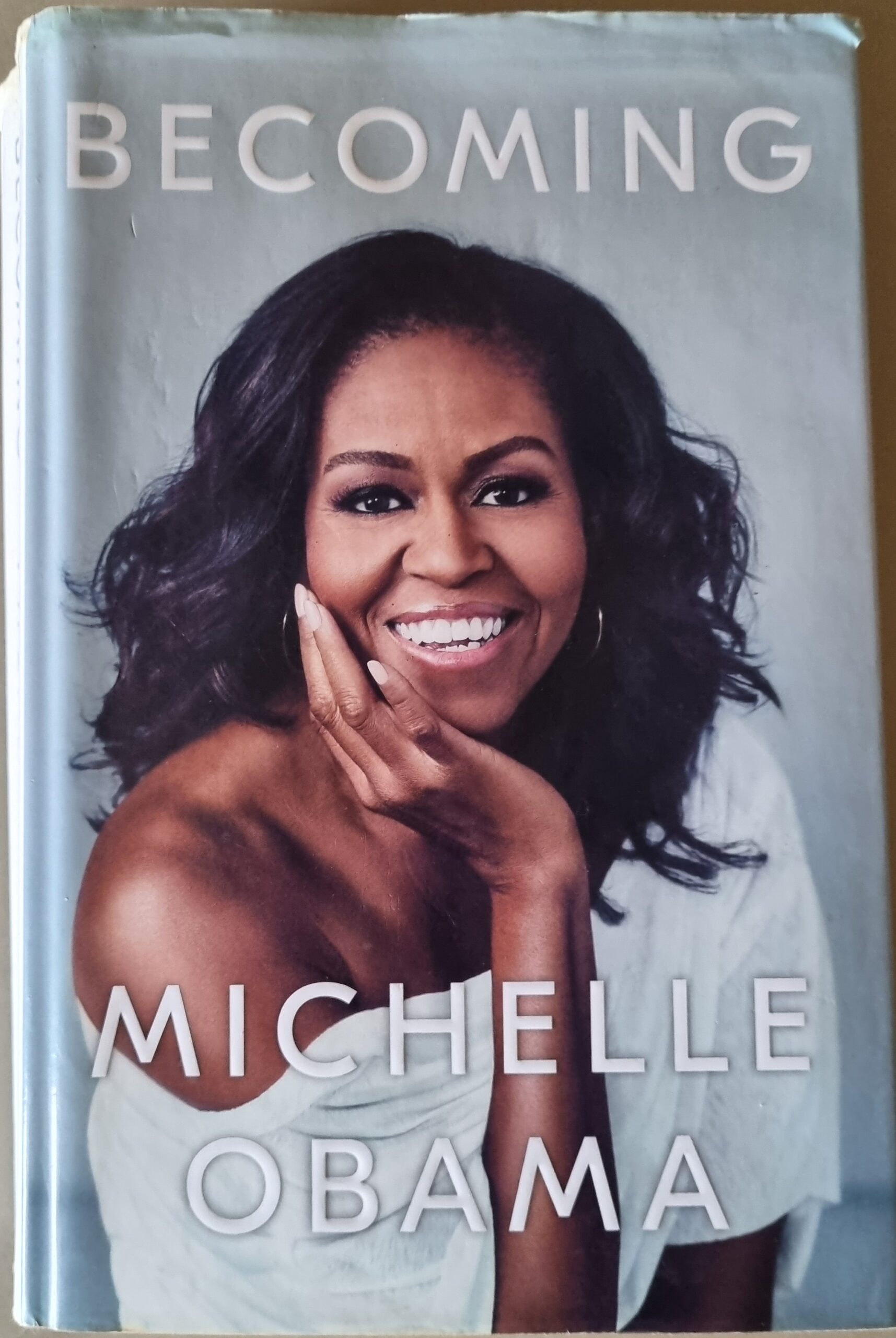
Since leaving the White House, Michelle Obama has continued her advocacy work and has expanded her influence through various platforms. She released her best-selling memoir, “Becoming,” in 2018, which has resonated with readers for its candid discussion of her life journey and challenges she faced. The book has inspired discussions around personal growth and empowerment, further solidifying her role as a relatable figure in contemporary culture.
Moreover, Michelle has recently been involved in the “When We All Vote” campaign, which aims to increase voter participation across the United States. This initiative has gained momentum, especially ahead of the upcoming 2024 elections, where civic engagement is seen as crucial for the future of democracy.
Conclusion
Michelle Obama’s influence continues to grow, not only through her initiatives and public engagements but also as a voice for many pressing societal issues. As she inspires a new generation to advocate for health, education, and civic responsibility, her work remains significant in paving the way for future leaders, especially women of color. As we look forward, her engagement in social movements will likely shape conversations about public service and community impact for years to come.