
Introduction
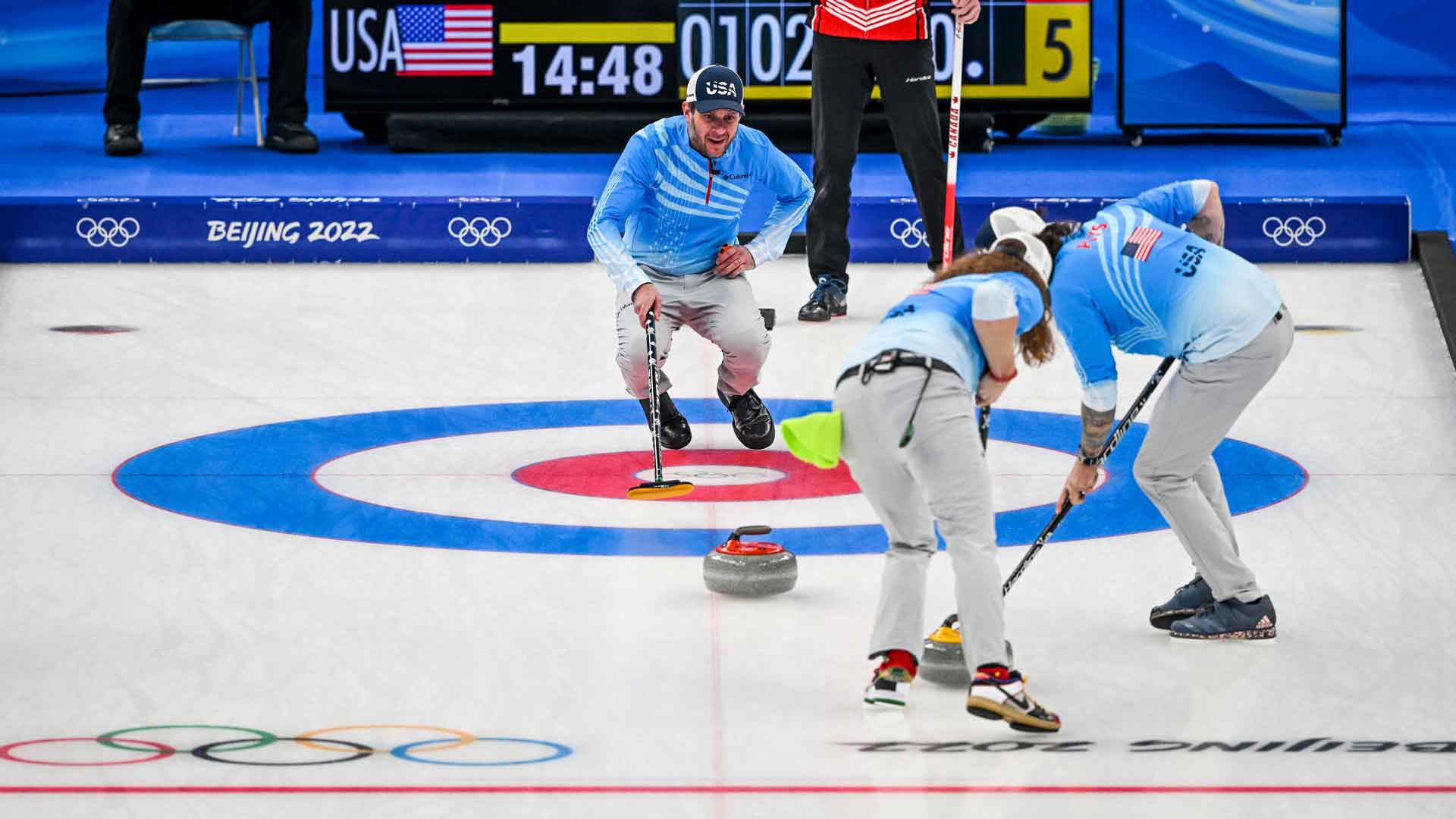
The recent Winter Olympics have once again spotlighted the sport of curling, but not for its athletic grace or strategic depth. Instead, the competition faced serious allegations of cheating. With curling being a staple of the Winter Olympic Games, the integrity of the sport is crucial for its reputation and for the athletes who dedicate their lives to it. The emergence of these allegations raises significant concerns about the future of curling and its governing bodies’ ability to maintain fair play.
Details of the Allegations
During the 2022 Winter Olympics, several teams faced scrutiny over their performance, leading to claims of cheating. Notably, a high-profile match between the Canadian and Swedish teams brought forth a myriad of accusations after fans and analysts noted suspiciously accurate shots and uncharacteristically dominant performances. Reports of errant stones and accusations of pre-match collusion sparked outrage on social media platforms, leading to demands for investigations into the legitimacy of events.
Furthermore, there were allegations of players tampering with equipment and utilizing improper methods to influence the game’s outcome. These accusations further complicate the foundation of trust and integrity that is vital for competitive sports. The World Curling Federation (WCF) released statements assuring fans and athletes that it is taking these allegations seriously and would be conducting thorough investigations.
Implications for the Future
The ramifications of these cheating allegations extend beyond the immediate scandal. If proven true, they could lead to severe penalties, including disqualification of teams and potential bans for athletes involved. This incident could tarnish the legacy of curling, a sport often viewed as defined by its respect and honor. Moreover, it raises questions about the effectiveness of current regulations and monitoring within the sport.
As competitions descend into the realms of suspicion and mistrust, it could significantly affect how fans perceive curling. Maintaining fair play is crucial for any sport’s survival and popularity, and the WCF must act decisively to restore confidence in its ability to govern. Moving forward, the sport needs to consider stricter regulations and more robust measures to ensure that every stone thrown carries the true essence of competition.
Conclusion
The allegations of cheating at the Winter Olympics in curling represent a critical crossroads for the sport. They reveal vulnerabilities that need addressing to safeguard the integrity of curling competitions. As the curtain falls on the Winter Games, it presents a call to action for the WCF to enhance regulatory frameworks and rebuild trust among players and fans alike. The future of curling depends on how the community responds to these challenges and upholds the values of fair play and respect in sports.