
Introduction
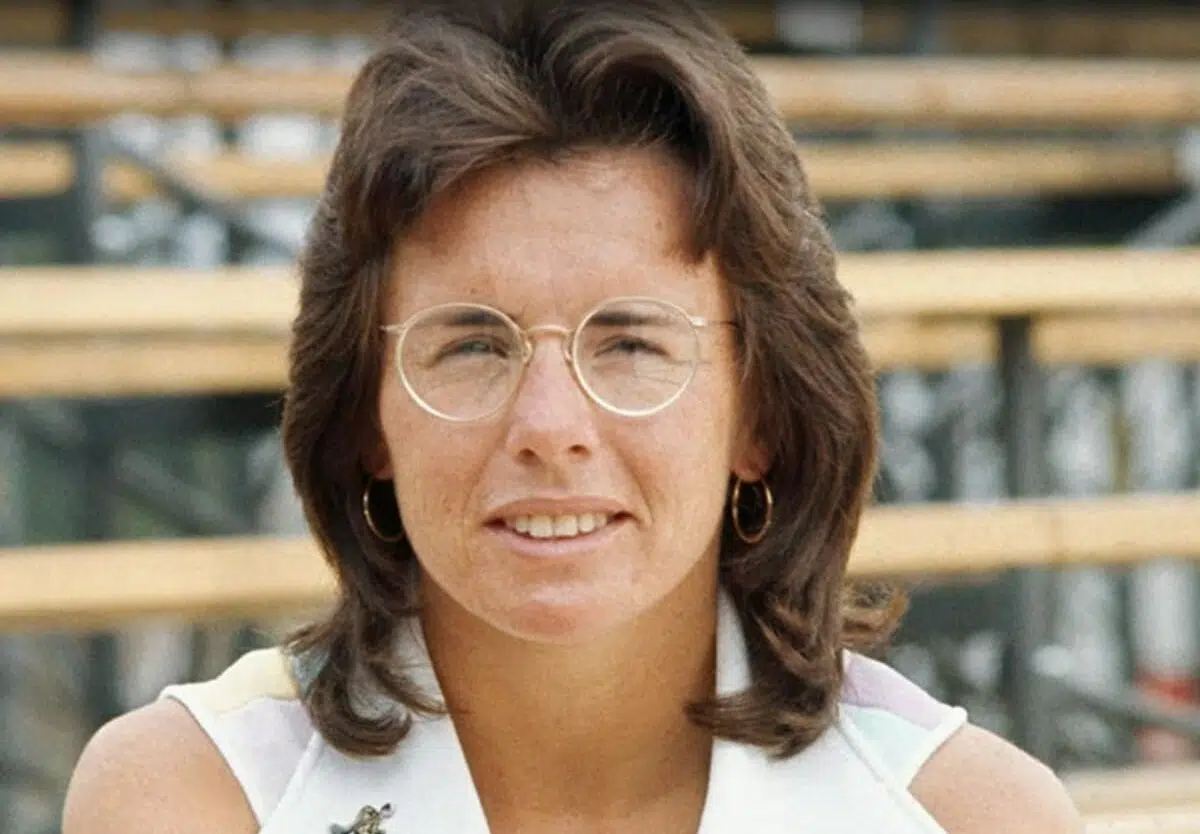
Billie Jean King is not only recognized as one of the greatest tennis players in history but also as a prominent advocate for gender equality and LGBTQ+ rights. Her influence extends well beyond the tennis court, making her a vital figure in discussions surrounding sports, social justice, and women’s rights. As the world considers initiatives for equality and representation, King’s contributions remain profoundly relevant.
Her Achievements in Tennis
Born on November 22, 1943, in Long Beach, California, Billie Jean King amassed 39 Grand Slam titles during her career, including 12 singles, 16 women’s doubles, and 11 mixed doubles championships. Notably, her victory over Bobby Riggs in the 1973 ‘Battle of the Sexes’ not only marked a significant moment in sports history but also challenged gender norms and showcased women’s athleticism on a global stage.
Advocacy and Impact
Beyond her athletic accomplishments, King has been a trailblazer in advocating for equality in sports. She co-founded the Women’s Sports Foundation in 1974 to promote and fund girls’ and women’s sports. King’s fight for equal prize money led to significant changes in major tournaments, including the U.S. Open, which became the first Grand Slam to offer equal pay to men and women in 1973. Her continued activism has inspired generations, cementing her status as a champion for equality and rights.
Recent Developments
In 2023, King was inducted into the National Women’s Hall of Fame, further cementing her influence and legacy. She continues to speak out on current issues facing women in sports, including pay inequality and the visibility of female athletes. Her presence at various events emphasizes the ongoing battle for equality in sports and beyond, reminding everyone of the work that still needs to be done.
Conclusion
Billie Jean King’s legacy remains significant in today’s landscape, as athletes and advocates continue to fight for equitable treatment across all sectors. Her relentless pursuit of equality has not only transformed the world of sports but has also laid the groundwork for future generations. As discussions around gender equality and representation persist, King’s journey serves as both an inspiration and a call to action for all those who believe in fairness and justice in sport and life.