
Introduction
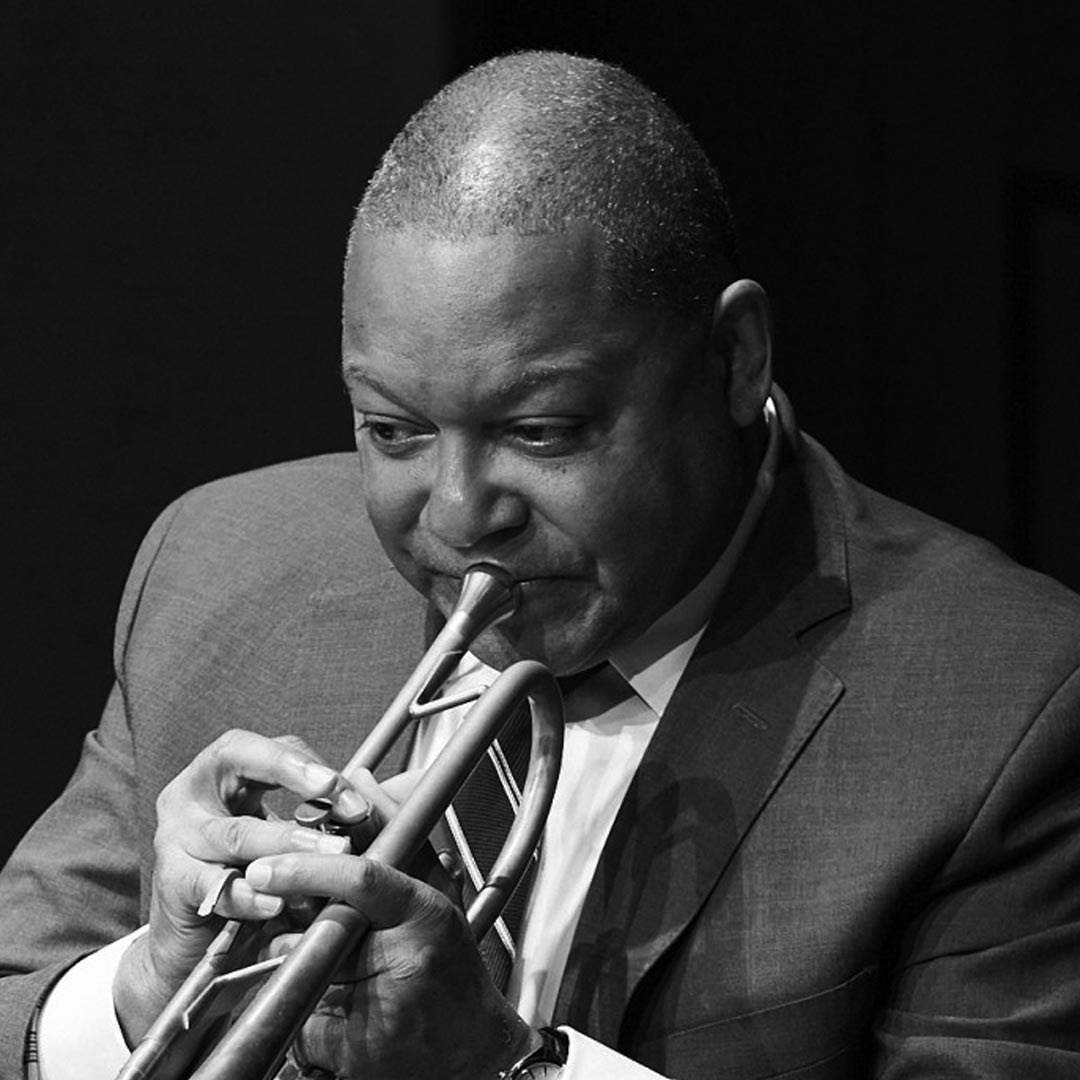
Wynton Marsalis is not just a musician; he is a cultural ambassador for jazz music and a pivotal figure in contemporary arts education. As both a virtuoso trumpeter and an esteemed educator, Marsalis’s influence transcends music, making him a relevant figure in discussions about the future of jazz and the importance of artistic initiatives. His recent performances and educational endeavors continue to captivate audiences and inspire new generations of musicians.
Early Life and Musical Career
Born on October 18, 1961, in New Orleans, Louisiana, Wynton Marsalis was immersed in a musical environment from a young age. He began playing the trumpet at the age of 12 and quickly gained recognition for his outstanding talent. Marsalis attended the Juilliard School in New York City, honing his skills further before joining Art Blakey’s Jazz Messengers.
Achievements and Contributions
Widely recognized as one of the leading jazz musicians of his generation, Marsalis has released numerous albums spanning both classical and jazz genres. He is a nine-time Grammy Award winner and was awarded the Pulitzer Prize for Music in 1997, an unprecedented honor for a jazz musician. Marsalis is also the artistic director of Jazz at Lincoln Center, where he has launched various initiatives to promote jazz education and ensure its legacy.
In recent months, Wynton has been involved in several public performances that highlight the resilience of jazz during challenging times. In September 2023, he performed at the Newport Jazz Festival, delivering a powerful message about the importance of community and the arts in times of social upheaval. His performances encourage audiences to engage with the rich history and evolution of jazz.
Importance of Arts Education
In addition to his performance career, Marsalis is a vocal advocate for arts education. He believes that exposing young people to jazz can foster creativity and build critical thinking skills. Wynton has collaborated with schools and organizations across the United States, providing resources and mentorship to aspiring musicians. His commitment to education underscores the idea that music can be a powerful tool for personal and communal development.
Conclusion
Wynton Marsalis’s legacy as a musician and educator is profound. His dedication to preserving and promoting jazz music ensures that it remains a vital part of American culture. As he continues to perform and teach, he serves as a bridge connecting the past and future of jazz. For those who wish to explore jazz further, Marsalis’s work offers a rich tapestry of inspiration and knowledge, reminding all of us of the transformative power of music.