
The Importance of Air Force One
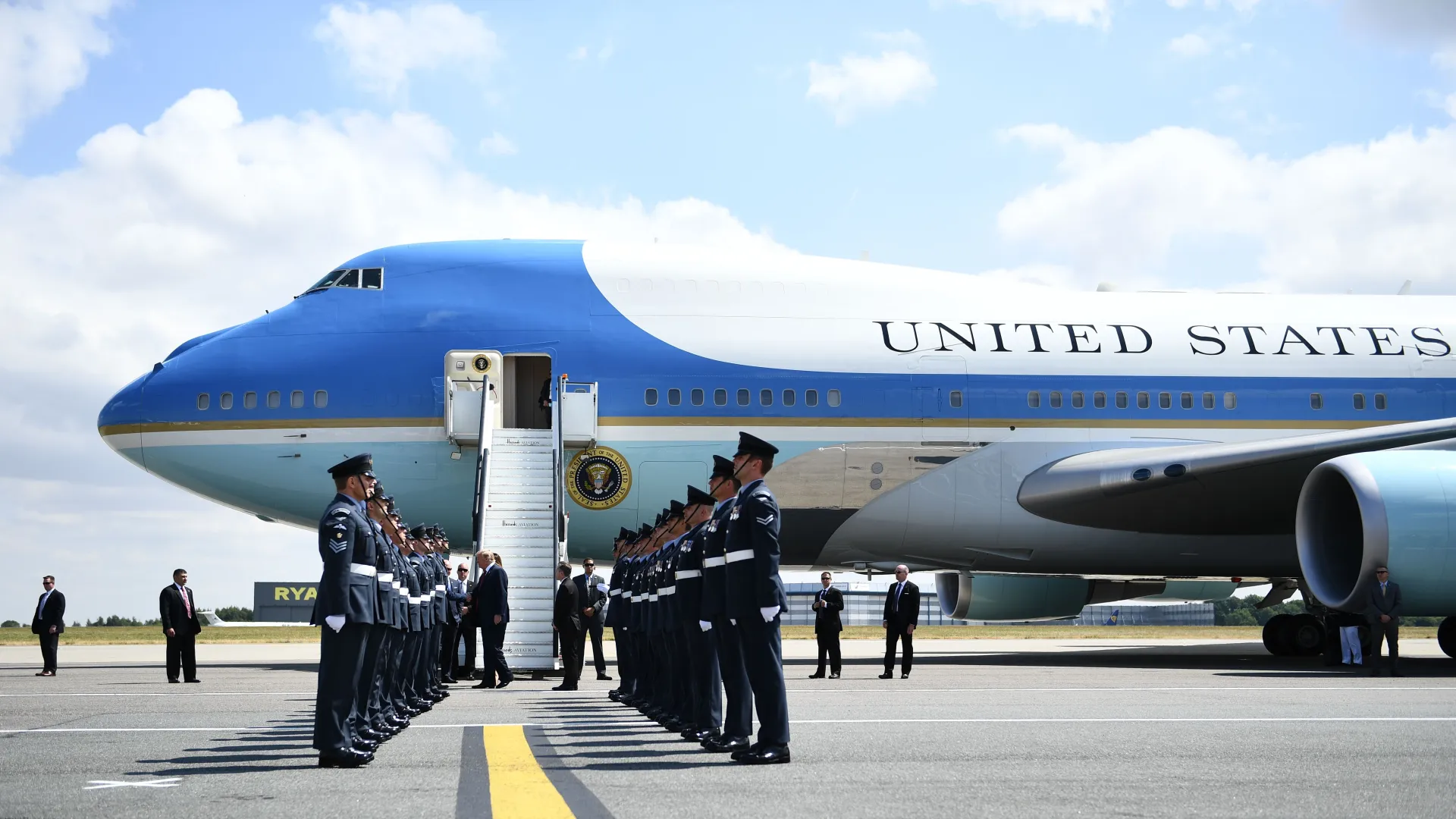
Air Force One, the presidential aircraft of the United States, serves as a symbol of power and prestige. It not only transports the President but also represents the nation on a global stage. Recently, former President Donald Trump expressed interest in redesigning the famous aircraft’s paint scheme, sparking discussions about presidential branding and national identity.
Trump’s Proposed Redesign
During his presidency, Trump indicated that he preferred to change the iconic color scheme of Air Force One from its traditional light blue and white to a more vibrant red, white, and blue design, resembling the colors of the American flag. In a recent statement, Trump reiterated his passion for this vision, suggesting it could enhance the aircraft’s visual impact during international flights, allowing for a more striking representation of the United States.
Public and Political Reaction
The response to Trump’s proposal has been mixed. Some supporters view this as a patriotic move that could reinforce America’s identity abroad. Conversely, critics argue that changing such a longstanding symbol may dilute the historic significance of the current design. Additionally, the logistical implications and costs associated with repainting the aircraft have been subjects of debate in political circles. Experts estimate that a full repaint could cost between $10 million and $20 million, prompting further discussions about budgeting priorities for the Air Force.
Historical Context
Air Force One has undergone several redesigns throughout its history, adapting to the changing times and the image of presidents. For instance, John F. Kennedy’s administration introduced the current blue and white scheme, which has been the standard ever since. Each redesign has aimed not only to reflect the president’s style but also to project an image that resonates with the American populace.
Looking Forward
As discussions about the future of Air Force One continue, experts suggest that any proposed changes will need careful consideration in terms of public sentiment, historical integrity, and financial implications. Furthermore, moving forward with such a significant overhaul may also prompt broader questions about how leaders wish to present the United States on the global stage.
Conclusion
Trump’s vision for a new paint design on Air Force One highlights the complex relationship between national symbols and presidential identity. While the iconic aircraft has seen many changes over the years, the potential redesign continues to generate dialogue about the legacy and branding of American leadership. As Air Force One’s future unfolds, it will undoubtedly serve as a point of interest for both supporters and critics alike.