
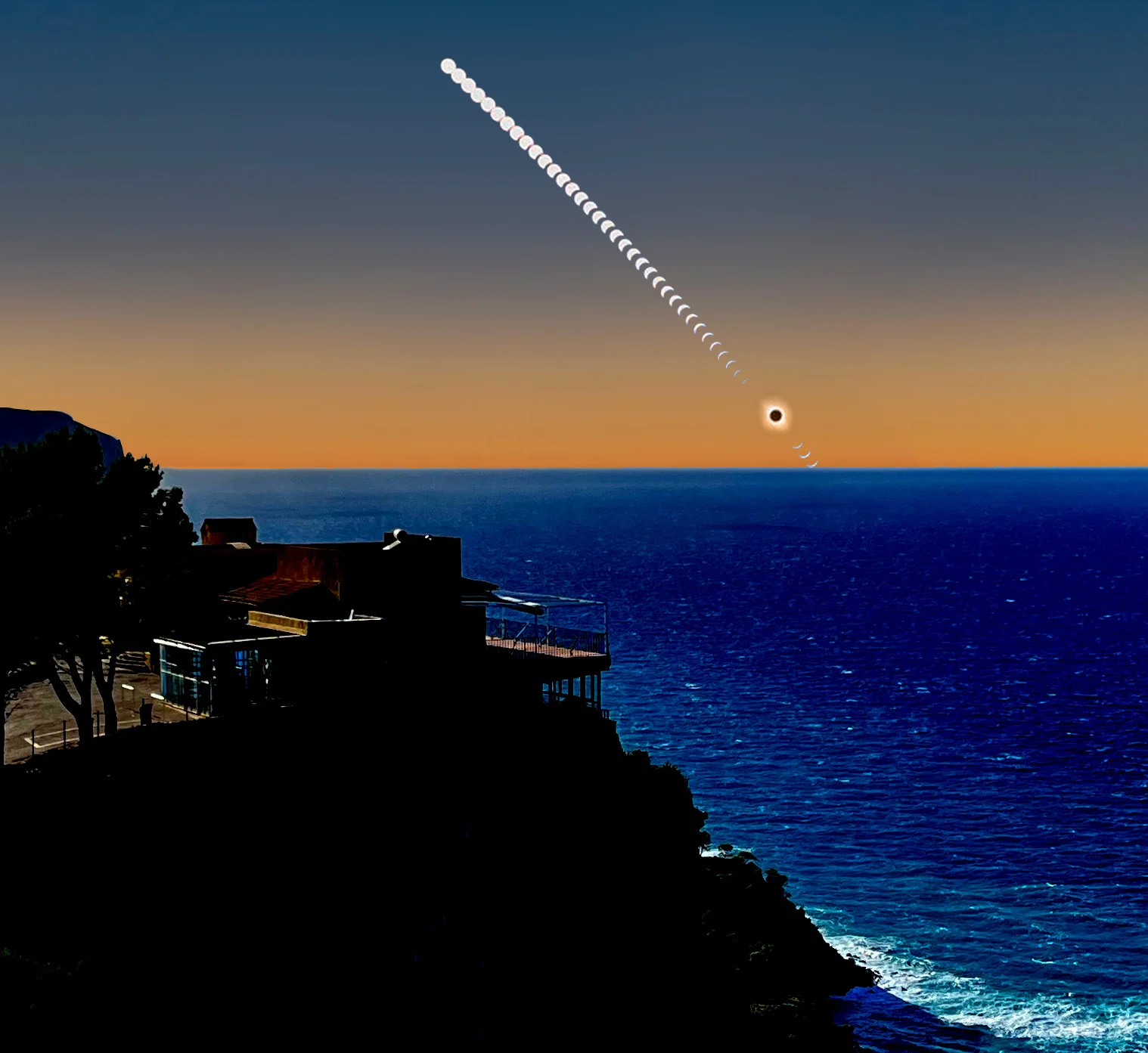
Introduction to the Solar Eclipse 2026
The solar eclipse of 2026 is shaping up to be one of the most anticipated astronomical events of the decade. Scheduled to be visible on August 12, it promises to draw countless viewers from around the world. Solar eclipses have captivated humanity for centuries, symbolizing natural wonders and astronomical phenomena. Understanding this upcoming event is crucial for enthusiasts and the general public alike as it represents a unique opportunity to witness a spectacular celestial display.
Details of the Event
The 2026 solar eclipse will be a total solar eclipse, meaning the moon will completely cover the sun, casting a shadow on Earth. This eclipse will be best viewed in several regions including parts of Spain, Greenland, and northern Africa. Those in the path of totality can expect total darkness to last for approximately 2 minutes and 30 seconds at the peak of the eclipse. In the United States, partial viewing will be available, though the experience will not compare to witnessing the totality.
Significance of the Solar Eclipse 2026
Solar eclipses are not just fascinating from a scientific perspective; they also offer numerous opportunities for education and inspiration. Schools and educational institutions often use these events to promote learning about astronomy and the science behind eclipses. For communities along the path of totality, this can mean a surge in tourism as visitors flock to witness the event firsthand. It can also provide an opportunity for scientific advancements, as astronomers will gather data regarding solar behavior during the eclipse.
Viewing the Eclipse Safely
As excitement builds towards the solar eclipse, it’s essential to emphasize the importance of safe viewing. Directly looking at the sun, even during an eclipse, can cause serious eye damage. Viewers are advised to use certified eclipse glasses or solar filters to safely observe the event. Various organizations and astronomical societies will likely provide resources and information on safe viewing practices as the date approaches.
Conclusion: What Lies Ahead
The solar eclipse of 2026 is more than just an astronomical event; it is a reminder of the beauty of our universe and the importance of observing it safely. With its expected global attention, the event will not only facilitate learning and scientific inquiry but also serve as a moment for people to come together and appreciate the marvels of nature. As we anticipate this event, the excitement builds for what promises to be a magnificent spectacle in our skies.