
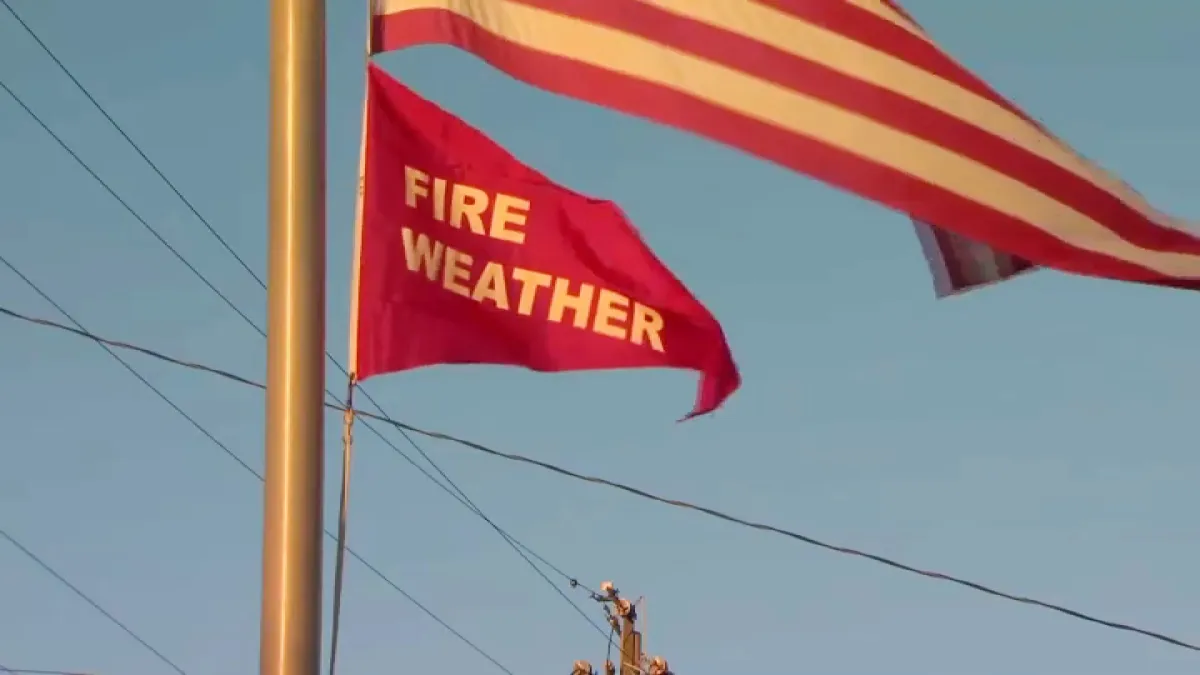
Introduction to Red Flag Fire Weather Warnings
As wildfire season intensifies across many regions, understanding terms like “red flag fire weather warning” becomes crucial for communities. These warnings indicate critical fire weather conditions that can lead to the rapid spread of wildfires, making awareness and preparedness vital for public safety.
What is a Red Flag Fire Weather Warning?
A red flag warning is issued by the National Weather Service (NWS) to signify that conditions are ripe for wildfire occurrences. This may include high winds, low humidity, and dry vegetation—all factors that significantly increase the risk of wildfires. When a red flag warning is in effect, fire officials urge communities to be vigilant, adhere to fire safety measures, and avoid any outdoor burning.
Recent Events and Current Conditions
In recent weeks, numerous states have faced heightened wildfire risks due to a combination of extreme heat and dry conditions. For example, California has recorded multiple red flag warnings across its northern and southern regions, with the National Interagency Fire Center noting an uptick in fire activity throughout the western United States. In August 2023, over 30 million acres were reported under red flag conditions, leading to evacuations and emergency declarations in several counties.
Impact on Communities
Red flag warnings significantly affect local communities, enforcing preventative measures and restrictions on outdoor activities. These warnings serve as a call to action, urging residents to prepare evacuation plans, create defensible spaces around their homes, and remain informed about evolving weather conditions. Additionally, during these warnings, fire departments increase readiness, ensuring more resources are available to address potential wildfire outbreaks swiftly.
Conclusion: Importance of Preparedness
Understanding red flag fire weather warnings and their implications can save lives and property. As climate conditions continue to evolve, communities must stay informed and prepared for these warnings. By fostering awareness and proactive measures, residents can play a vital role in reducing wildfire risks. Moving forward, ongoing efforts to educate the public about fire safety and preparedness will remain essential, particularly in regions prone to wildfires, ensuring a collective approach to mitigating the dangers posed by such devastating natural occurrences.