
Introduction
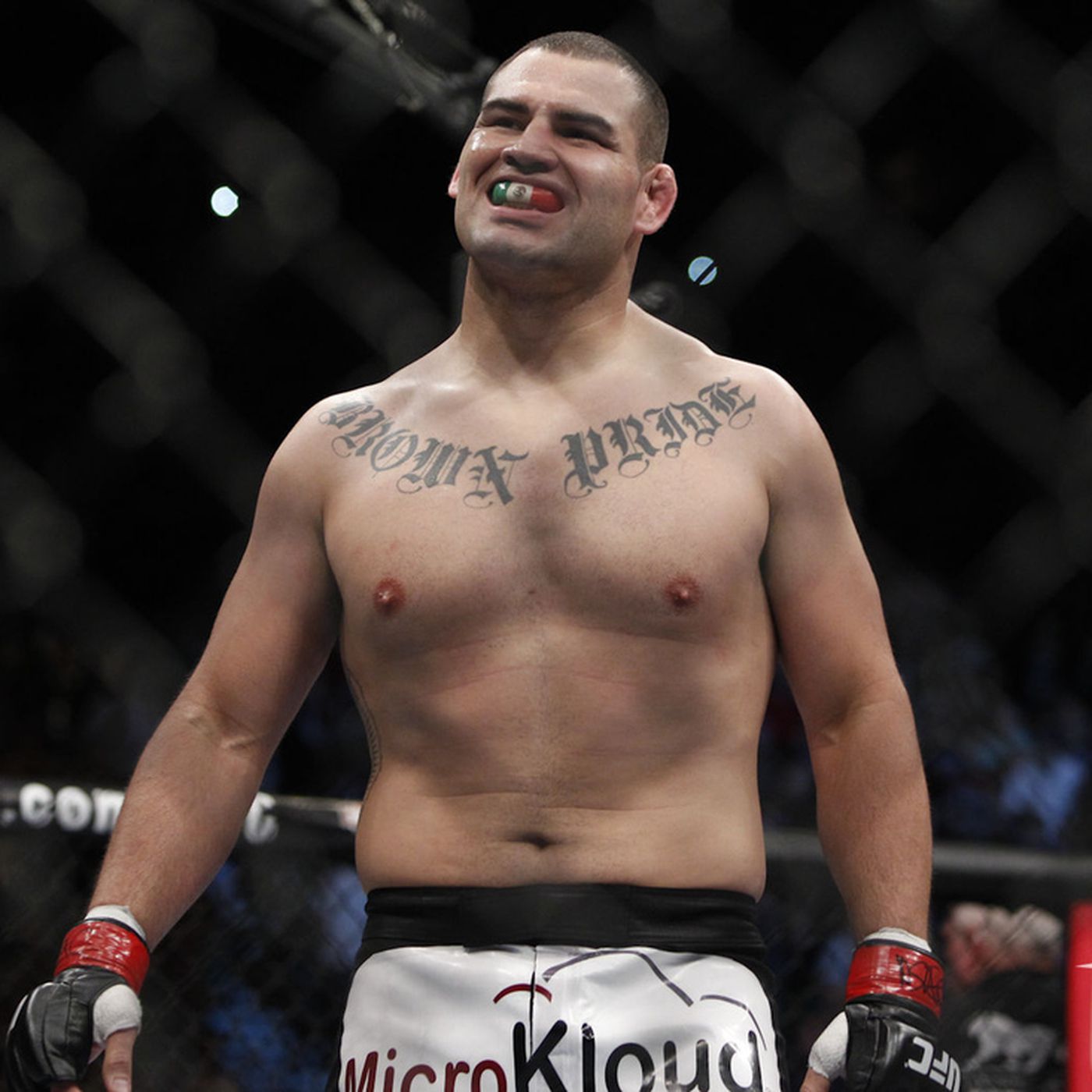
Cain Velasquez, a former UFC heavyweight champion, is not just a legendary mixed martial artist but also a significant figure in discussions about sports, law, and personal accountability. His story has captivated fans and the public alike, especially following his recent legal battles. Understanding Velasquez’s impact on the MMA world and current situation provides insight into the complexities surrounding fame and its consequences.
Career Highlights
Cain Velasquez emerged onto the UFC scene with remarkable determination and skill. His illustrious career began in 2006 and reached its peak when he won the UFC Heavyweight Championship in 2010 by defeating Brock Lesnar. He is known for his cardio, striking power, and wrestling background, which enabled him to secure his championship title multiple times. Velasquez, with a professional record of 14 wins and 3 losses, is considered one of the greatest heavyweights in MMA history.
Recent Events
In 2022, Velasquez found himself at the center of a high-profile legal case. He was charged with attempted murder after allegedly chasing and shooting at a man accused of molesting his child. The incident, which occurred in California, sparked debates about vigilantism and parental instincts. Velasquez’s arrest shocked fans and the MMA community, igniting discussions around the challenges and pressures faced by public figures. His legal situation has proceeded to trial, and many are watching closely as it unfolds.
Public and Community Response
The MMA community has largely rallied behind Velasquez, with supporters expressing sympathy for his situation. Many believe he acted out of desperation and a protective instinct as a father, highlighting the emotional weight of the situation. Fan-driven campaigns and social media discussions have highlighted both legal perspectives and emotional responses, illustrating the depth of public interest in Velasquez’s case.
Conclusion
The saga of Cain Velasquez is a complex tale of triumph, tragedy, and the intricate balance between justice and personal responsibility. As his trial date approaches, it continues to evoke strong reactions from fans and observers alike. Whether he is remembered more for his accomplishments inside the octagon or the legal turmoil outside it remains to be seen. His story serves as a reminder of the pressures faced by athletes and the ramifications of their actions in both their professional and personal lives.