
Introduction
The rivalry between India and Pakistan is one of the most intense and storied in the world, spanning several decades and encompassing various domains, particularly in sports and politics. This rivalry is not just a matter of competition; it embodies the historical struggles, cultural similarities, and stark differences between the two nations. With recent developments in politics and international cricket matches sparking renewed interest, understanding this rivalry’s context is crucial.
Historical Context
India and Pakistan were partitioned from British India in 1947, leading to significant geopolitical and communal struggles. The animosity grew with the Kashmir conflict, which has been the focal point of wars and skirmishes between the two nations. The division was marked by violence, mass migrations, and deep-rooted grievances that continue to influence relations today.
The Sports Rivalry
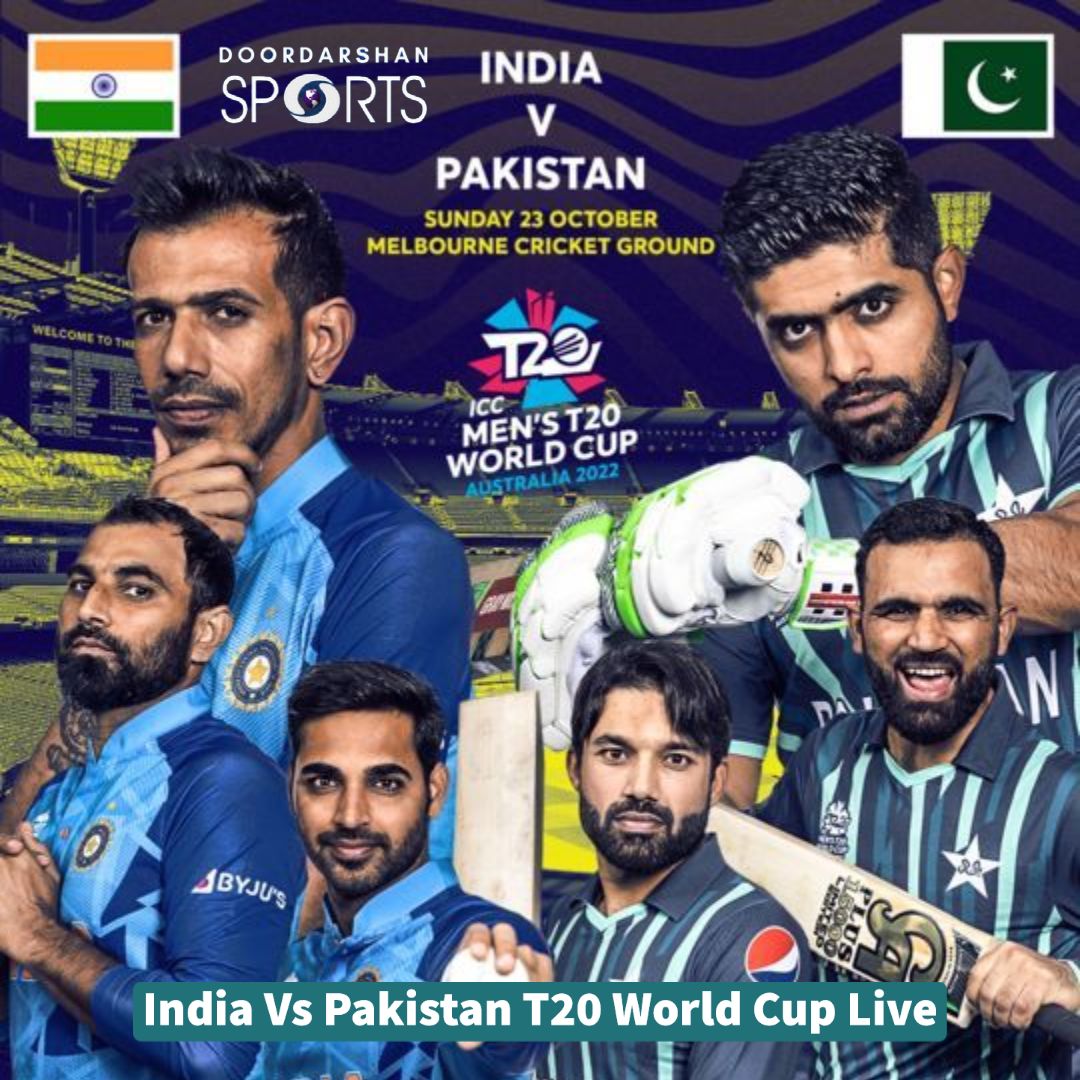
In sports, particularly cricket, the India vs Pakistan match is one of the most highly anticipated events worldwide. According to the International Cricket Council, matches between these two countries attract millions of viewers globally, often exceeding 1 billion spectators for high-stakes games like those in the Cricket World Cup. Recent encounters, such as the T20 World Cup match held in October 2022, drew significant media attention and showcased the competitive spirit and skill of both teams. While India has a stronger historical record in cricket, Pakistan’s surprising wins have added layers to their rivalry.
Recent Developments
In 2023, the increasing tensions regarding geopolitical issues and sports or cultural exchanges have remained at the forefront. An anticipated ICC tournament set to take place in India has revived discussions around security, travel permissions, and the potential for renewed cricketing ties. Political leaders from both nations have emphasized the importance of dialogue, but the cricketing ties remain fraught with uncertainty amidst nationalistic sentiments.
Conclusion
The India vs Pakistan rivalry transcends the boundary of mere competition. It represents the larger narrative of historical conflict, national pride, and cultural identity. The future of this rivalry, particularly in cricket and diplomatic relations, will likely depend on broader geopolitical developments and the willingness of both nations to engage constructively. For sports fans and policymakers alike, understanding the nuances of this rivalry is essential for appreciating its implications on regional stability and cultural exchanges.