
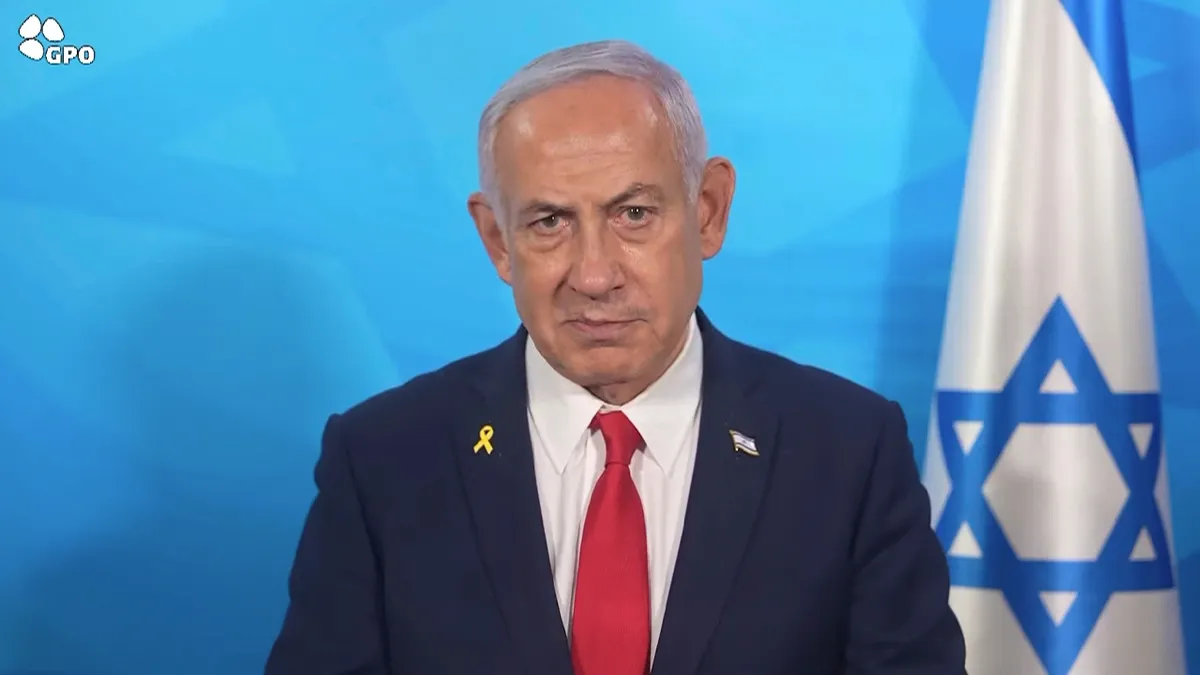
Introduction
Benjamin Netanyahu, often referred to simply as Netanyahu, has been a crucial figure in Israeli politics for decades. His leadership has sparked considerable debate and analysis, particularly in the context of ongoing conflicts, domestic policies, and international relations. As Israel navigates complex geopolitical challenges, Netanyahu’s strategies and decisions remain central to understanding the nation’s future.
Recent Developments in Netanyahu’s Administration
In the recent months leading up to early 2024, Netanyahu’s government has faced significant challenges, including public protests against judicial reforms that many view as undermining democracy. This has culminated in a wave of demonstrations where tens of thousands of Israelis have taken to the streets, expressing concerns over judicial independence in the face of proposed changes. Netanyahu’s argument for these reforms centers around increasing governmental efficiency, but critics assert that they pose a threat to democratic norms.
Additionally, tensions in the West Bank and Gaza have escalated, with ongoing violent incidents raising alarms both domestically and internationally. Netanyahu’s administration has adopted a hardline approach to security, prioritizing military responses that have drawn both support and criticism from various factions within Israel and abroad.
International Relations under Netanyahu
On the global stage, Netanyahu’s relations with key partners, including the US, have also come under scrutiny. While he historically enjoys support from various American administrations, the current political climate has seen some shifts in tones, particularly regarding peace processes in the Middle East. The Biden administration has expressed a desire for renewed talks between Israel and Palestine, which Netanyahu has shown hesitance to fully embrace, citing security concerns as paramount.
Conclusion
Netanyahu’s sustained presence in Israeli politics illustrates his resilience and the complexities of leading a nation at the crossroads of tradition, culture, and modern political challenges. As elections loom and opposition voices grow louder, the implications of his decisions will be crucial not only for Israel but also for the broader region. Looking ahead, the outcomes of his policies and the reactions they elicit from the Israeli populace will likely shape the trajectory of Israeli governance, peace negotiations, and security strategies. Understanding Netanyahu’s influence and the contexts of his actions is essential for anyone seeking to grasp the intricacies of contemporary Israeli affairs.