
Introduction
Jacqueline Kennedy Onassis, known widely as Jackie Kennedy, remains an iconic figure in American history. Her influence as First Lady during her husband John F. Kennedy’s presidency and her profound sense of style continue to resonate in contemporary culture. Understanding her life and legacy is vital, as it sheds light on the evolving roles of women in politics and society, as well as her impact on fashion and public life.
Background and Early Life
Born on July 28, 1929, in Southampton, New York, Jackie was the daughter of a wealthy financier. She attended prestigious schools, showcasing her interests in literature, art, and history from a young age. In 1953, she married John F. Kennedy, a U.S. Senator at the time, and within a few years, she assumed the role of First Lady upon his election as President in 1960.
Jackie’s Impact as First Lady
As First Lady, Jackie Kennedy transformed the White House into a symbol of American culture. She initiated the White House restoration project, emphasizing America’s rich history and art. Additionally, her television tour of the White House in 1962 captivated viewers and highlighted her dedication to preserving American heritage. Her poise and charm, particularly during the turbulent political climate of the 1960s, garnered admiration both nationally and internationally.
Style and Influence
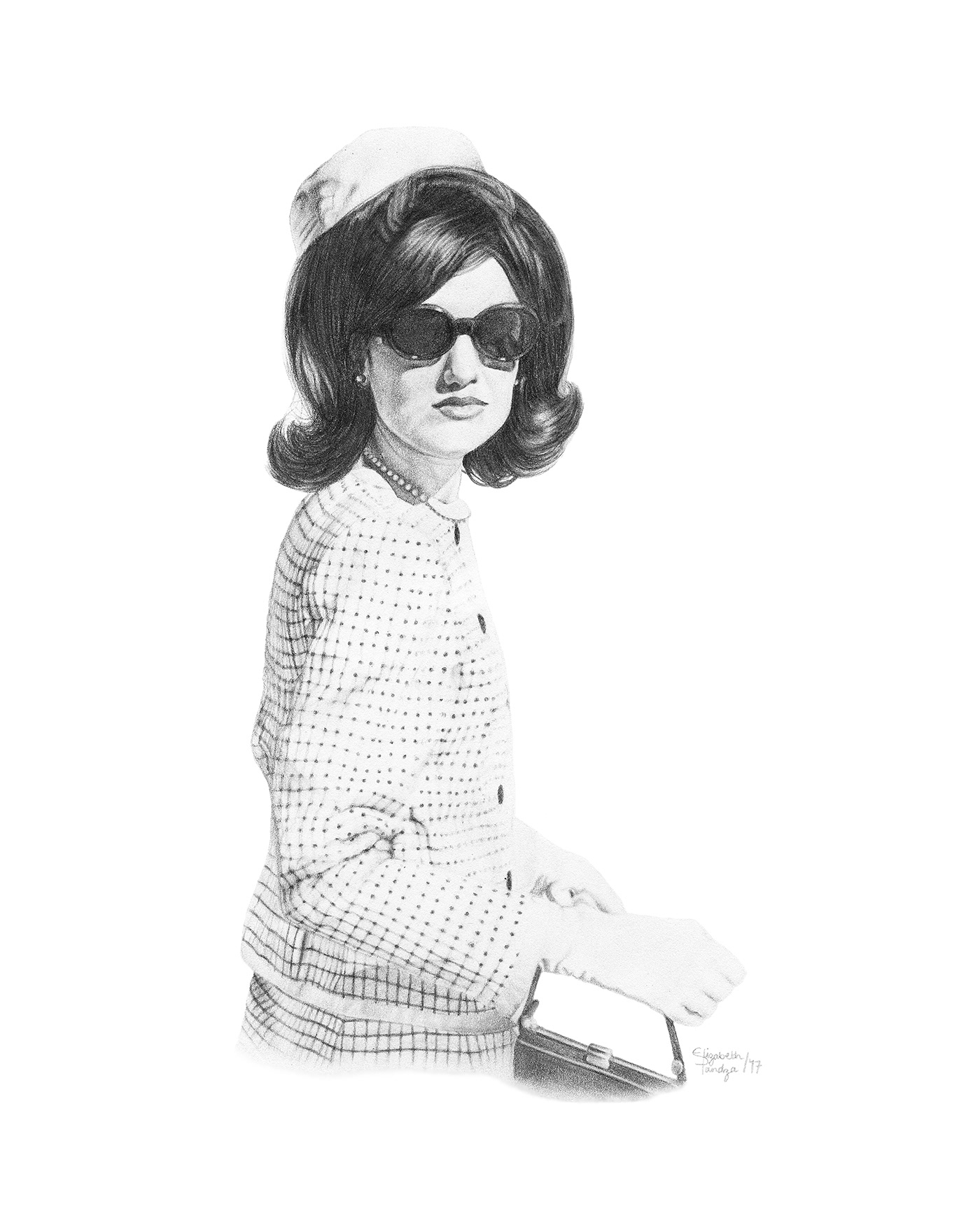
Jackie’s sense of fashion has left an indelible mark on American style. Her elegant wardrobe, characterized by classic lines and sophisticated accessories, set trends that are still referenced today. Designers like Oleg Cassini became synonymous with her look, as she often blended high fashion with practicality. Jackie’s style was not just about clothing; it represented a new, modern ideal of femininity, grace, and intelligence.
Life After the Presidency
Following the assassination of John F. Kennedy in 1963, Jackie faced immense public scrutiny and personal grief. She married Greek shipping magnate Aristotle Onassis in 1968, seeking a semblance of normalcy away from political life. However, this marriage also drew media attention, leaving Jackie to navigate her identity outside the shadow of the presidency.
Conclusion
Jackie Kennedy’s legacy, as an influential First Lady and an enduring icon of style, illustrates the complexities of public life and personal resilience. Today’s cultural reflections on her life continue to foster discussions about gender roles, political symbolism, and the power of image. As we look to the future, Jackie’s enduring impact serves as a reminder that the personal and political often intertwine, shaping our collective history in profound ways.