
Introduction
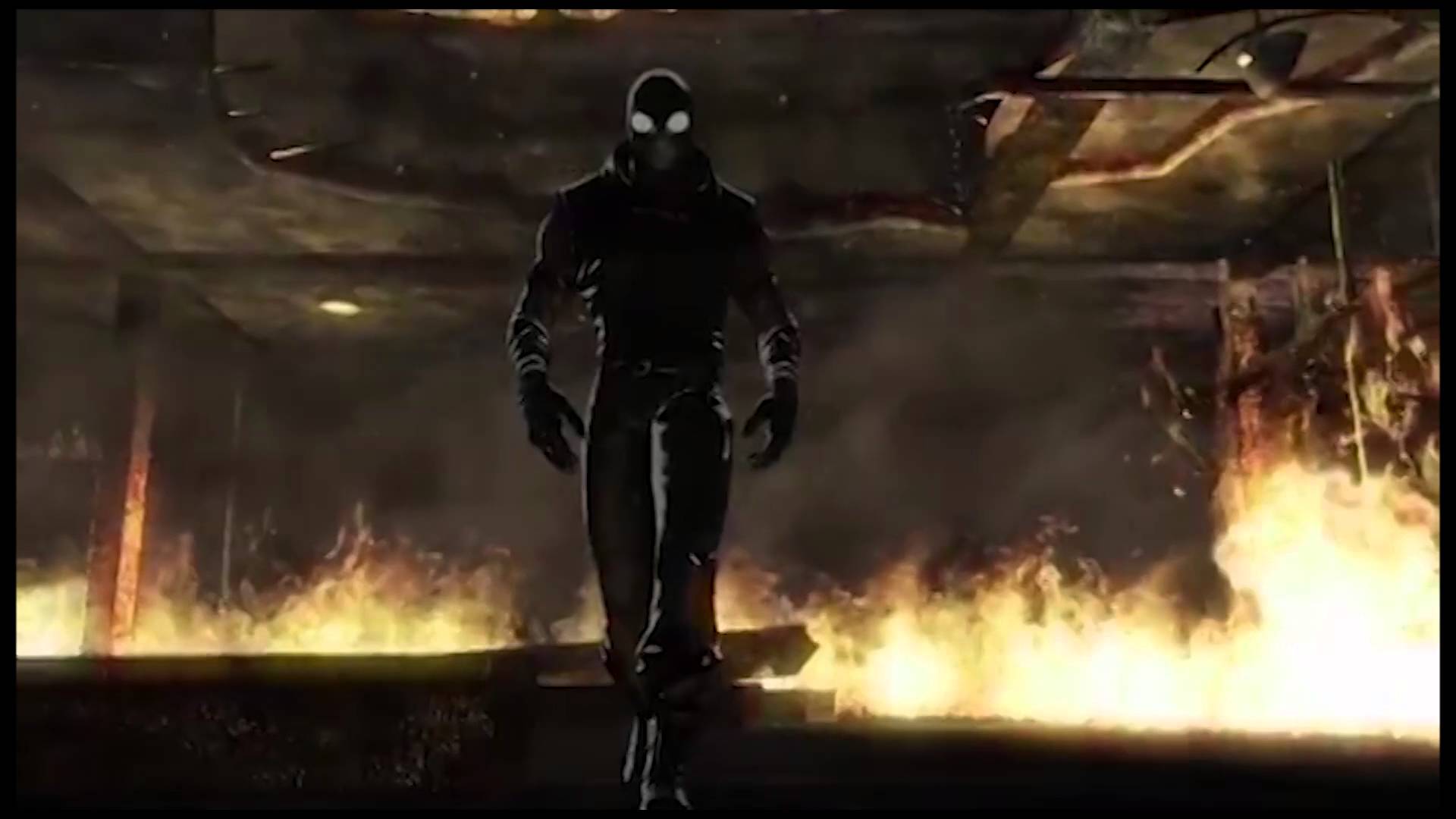
Spider Noir, the gritty, alternate universe version of Spider-Man, has gained significant attention in recent years.
This character, first introduced in 2009’s Spider-Man: Noir comic series, presents an intriguing blend of classic noir elements and superhero storytelling, appealing to both comic enthusiasts and new readers alike. With across-media adaptations like animated series and video games, the relevance of Spider Noir has only grown, compelling a wider audience to explore its themes.
The Rise of Spider Noir
Spider Noir’s origins can be traced back to an alternate reality set in the 1930s, where Peter Parker becomes a hero in a world dominated by crime and corruption. The character came to life under writer David Hine and artist Fabrice Sapolsky. This darker portrayal reimagines the beloved character through the lens of film noir, emphasizing themes of morality, justice, and existentialism.
Since its debut, Spider Noir has attracted a following, especially with the recent release of Spider-Man: Into the Spider-Verse in 2018, which introduced audiences to various alternate Spider-People, including Spider Noir portrayed by Nicolas Cage. This film’s success paved the way for a resurgence of interest in alternate versions of Spider-Man, making characters like Spider Noir prominent within the Marvel multiverse.
The Cultural Impact of Spider Noir
Spider Noir resonates with readers due to its unique storytelling approach. The character embodies the classic tropes of film noir, including a brooding hero, femme fatales, and a morally ambiguous world. This nuanced narrative allows the exploration of complex themes such as redemption and the psychological struggles of the protagonist.
Recent years have seen an increase in adaptations and appearances in video games, merchandise, and animations, reflecting a broader trend of superheroes engaging with darker themes. The character’s evolution also showcases how comic book stories can tackle real-world issues through the lens of speculative fiction.
Conclusion
Spider Noir’s growing presence in the superhero landscape signifies a shift towards more diverse storytelling in comics. As traditional narratives evolve, characters like Spider Noir demonstrate the multifaceted nature of heroism while simultaneously offering a captivating escape into a stylistically rich world. With plans for future adaptations and potential appearances in upcoming Marvel projects, the significance of Spider Noir in contemporary comics will undoubtedly continue to expand, marking its place as a testament to innovation in superhero folklore.