
Introduction
The recent dismissal of the commander of the USS Mason, a Navy destroyer, has raised eyebrows and sparked discussions within military circles and beyond. This event underscores the critical nature of leadership in the Navy, particularly in light of operational readiness and adherence to military protocols. Commanders bear immense responsibilities, and decisions to remove them signify deeper issues that merit public and military scrutiny.
Details of the Dismissal
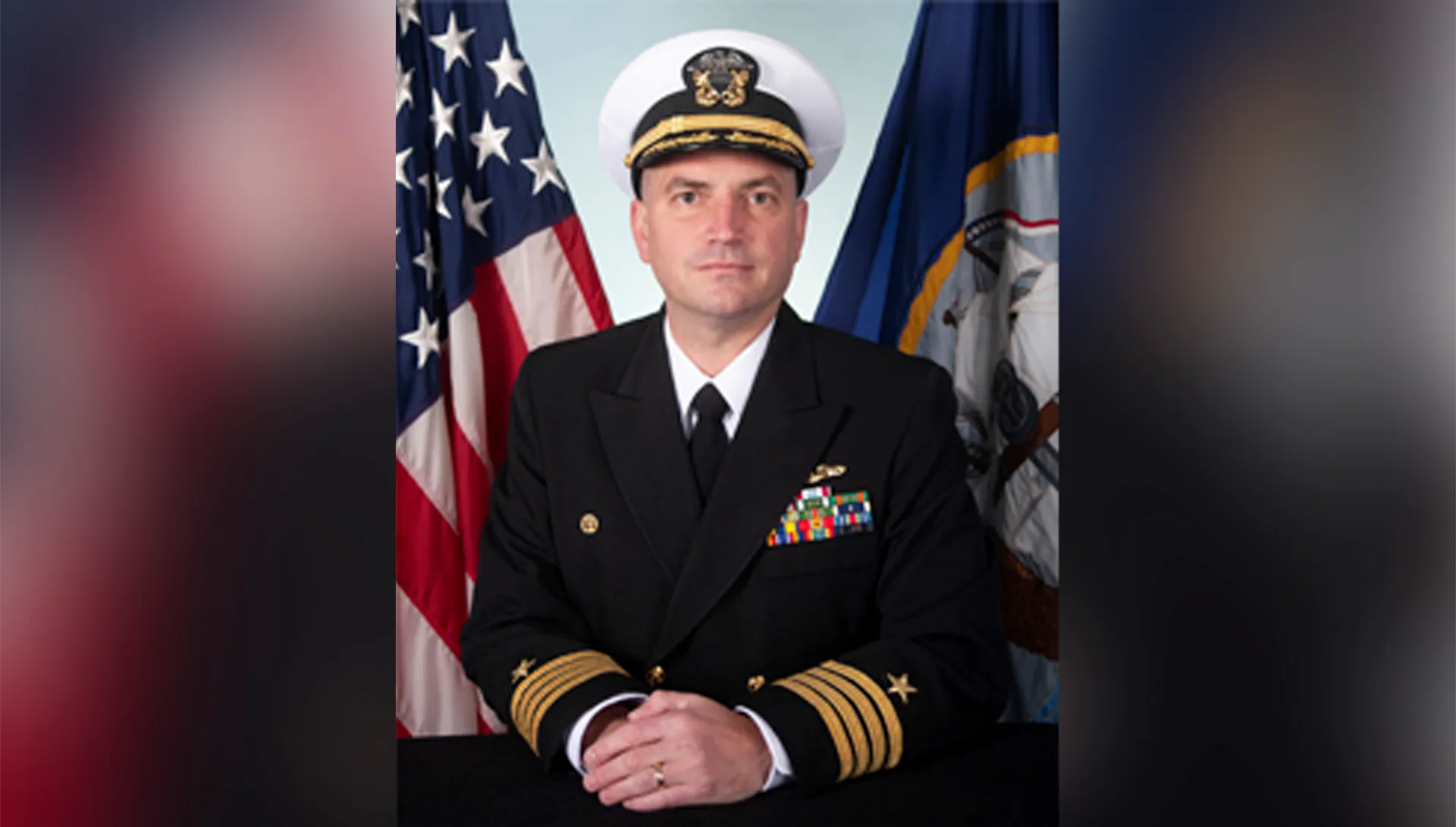
Commander Joseph A. Hasse was relieved of his duties on October 5, 2023, following an investigation into multiple incidents aboard the USS Mason that raised concerns among Navy leadership. The decision was announced by the U.S. Fleet Forces Command, emphasizing that the dismissal was based on a loss of confidence in Commander Hasse’s leadership capabilities.
The USS Mason, an Arleigh Burke-class destroyer, has been pivotal to various missions in recent years, from providing maritime security to engaging in humanitarian operations. The Navy did not release specific details regarding the incidents leading to the commander’s firing, but sources imply they might involve issues of operational integrity and crew welfare, reflecting a broader trend of the Navy seeking to reshape its leadership standards amidst fluctuating global pressures.
Impact on USS Mason and the Navy
In the wake of this significant leadership shake-up, the USS Mason continues to prepare for its upcoming missions under the interim command of Captain Bill Robinson. This change reaffirms the Navy’s commitment to maintaining high standards of professionalism and accountability within its ranks. The Navy has been actively working to improve its internal culture and address issues that contribute to morale and effectiveness.
Moreover, this dismissal comes at a time when the Navy is under scrutiny for its operational performance in increasingly competitive maritime environments, particularly in the Indo-Pacific region where tensions with China and North Korea continue to escalate. Ensuring the right leadership is crucial as the Navy navigates these challenges moving forward.
Conclusion
The firing of the USS Mason’s commander sends a clear signal about the Navy’s zero-tolerance policy on issues affecting command effectiveness and crew welfare. As the service looks to bolster its readiness in a complex global landscape, the leadership transitions within its ranks will be keenly watched. It remains imperative for the Navy to cultivate a culture of accountability and respect, which is essential for maintaining operational integrity and mission success.