
Introduction
Alexei Navalny, the prominent Russian opposition leader and anti-corruption activist, remains a central figure in the fight for democratic reforms in Russia. His efforts to expose corruption at the highest levels of government and to promote political change have garnered international attention, especially following his imprisonment and deteriorating health since 2020. The significance of Navalny’s work highlights the broader issues of human rights and authoritarianism that plagues Russia today.
Recent Events
In the latest developments regarding Navalny, reports have emerged highlighting the poor conditions he faces in the IK-6 penal colony in Melekhovo, where he continues to serve a lengthy sentence for charges widely criticized as politically motivated. Navalny’s health has reportedly worsened, leading to concerns from supporters and human rights organizations alike. Medical professionals have warned that inadequate treatment and harsh prison conditions could lead to severe repercussions for his health.
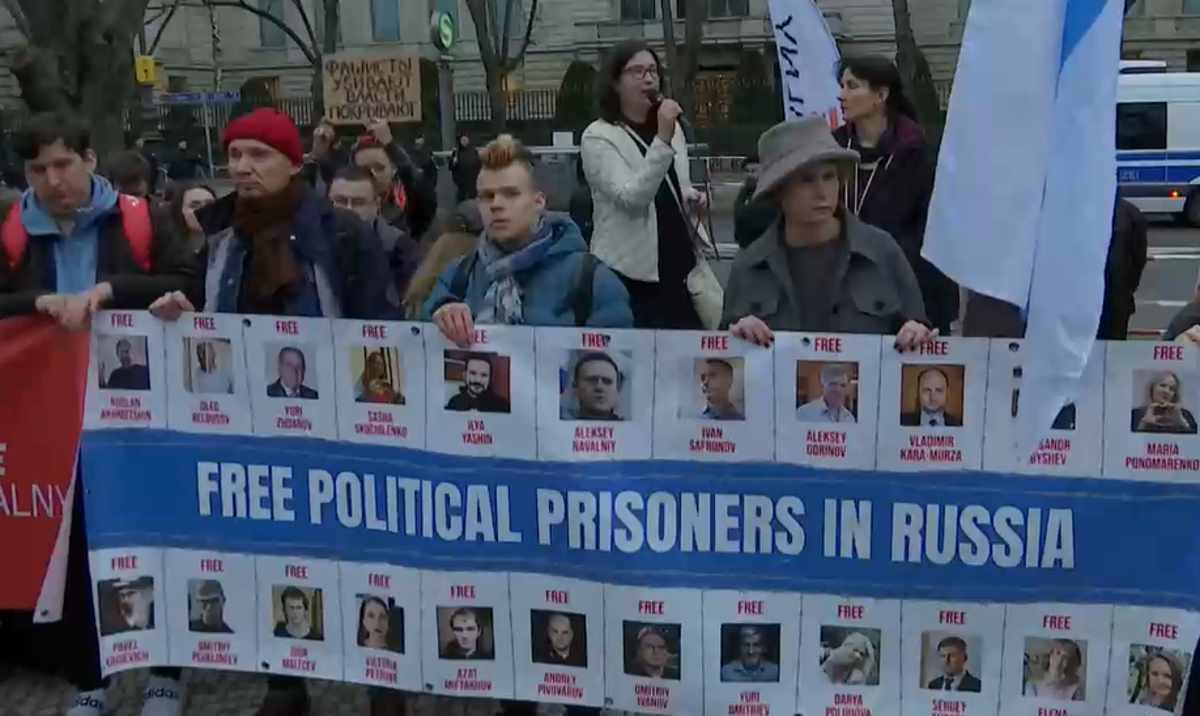
On October 5, 2023, international advocates for human rights rallied, demanding his unconditional release. These protests were part of a larger movement calling on the Russian government to respect civil liberties and allow free political expression. Additionally, leaders from various countries have condemned the treatment of Navalny, pressing for his immediate release due to his unjust imprisonment and the purported violations of his rights.
International Response
Navalny’s situation has attracted global scrutiny, leading to sanctions against Russian officials. The European Union and the United States have both issued statements condemning the ongoing treatment of political dissidents in Russia, with calls to ensure the safety and wellbeing of Navalny while imprisoned. His imprisonment serves as a litmus test for the Kremlin’s tolerance of dissent and remains a focal point in international debates regarding Russia’s adherence to human rights standards.
Conclusion
As Alexei Navalny continues his fight for justice from behind bars, the importance of his struggle resonates across the globe. His case highlights the critical issues of political oppression and the urgent need for reforms in Russia. With increasing international pressure and a unified stance from human rights advocates, the future remains uncertain for Navalny, but his resilience serves as an inspiration for many. The international community’s response to his plight will likely shape the ongoing narrative around democracy and human rights in Russia for years to come.