
Introduction to 农历新年
农历新年, or Lunar New Year, is one of the most significant cultural celebrations across Asia and in many other parts of the world. Traditionally celebrated by Chinese, Vietnamese, Korean, and other East Asian communities, this festival marks the beginning of a new year on the lunar calendar. The importance of 农历新年 lies not only in its date but also in the rich array of customs, family reunions, and cultural practices that characterize this festive season.
Historical Significance
The origins of 农历新年 can be traced back over 4,000 years, rooted in ancient agrarian practices. The festival traditionally celebrates the arrival of spring and the end of winter. It is also a time for families to come together, pay respect to ancestors, and pray for prosperity and good fortune in the coming year. The year 2024 marks the arrival of the Year of the Dragon, an auspicious symbol in Chinese culture known for its strength and power.
Festivities and Traditions
Celebrations typically last for 15 days, with various customs observed on each day. Families clean their homes before the new year to sweep away bad luck and make room for incoming good fortune. On New Year’s Eve, families gather for a reunion dinner, often centered around traditional foods like dumplings, fish, and rice cakes that symbolize wealth and happiness.
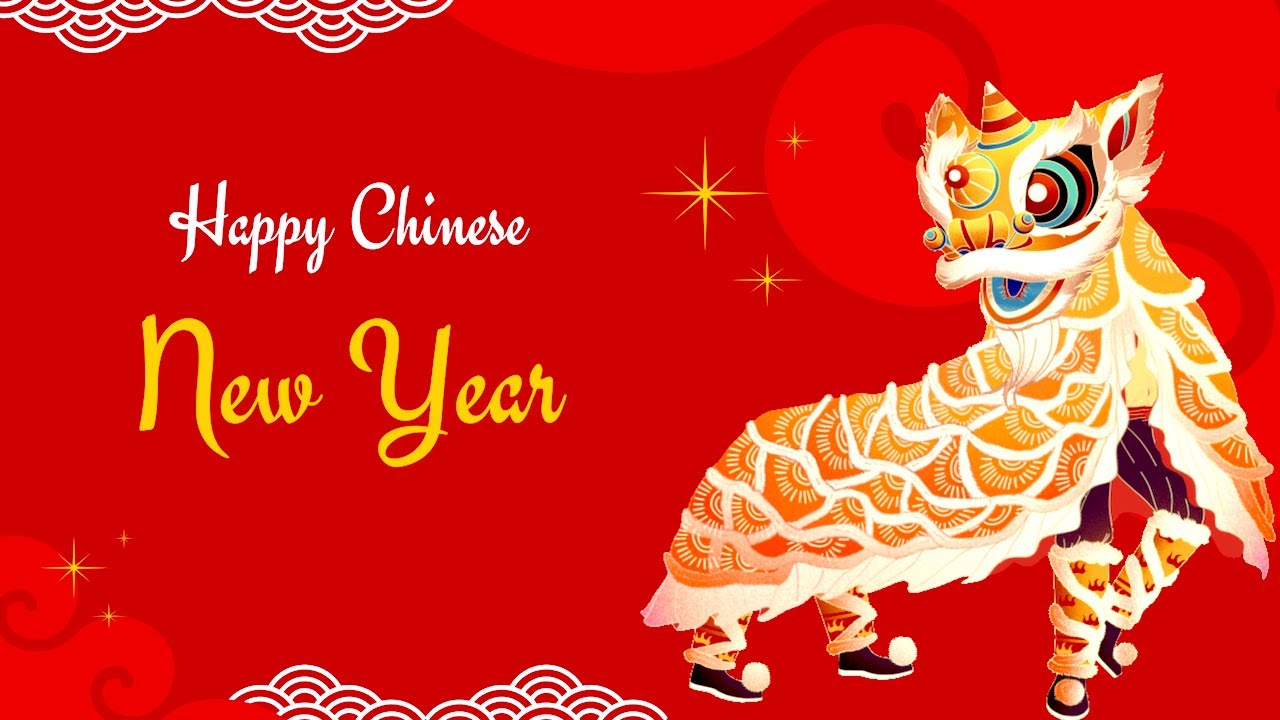
Fireworks and lion dances are key components of the celebrations, as they are believed to ward off evil spirits. Red decorations, symbolizing luck and joy, adorn homes and streets. Children receive ‘红包’ (red envelopes) filled with money as a token of good luck, and community events are vibrant with parades and cultural performances.
Conclusion: The Ongoing Relevance of 农历新年
The continuing popularity of 农历新年 highlights the enduring connection of people to their heritage and families. In recent years, the celebrations have gained global recognition, with cities like San Francisco, London, and Sydney hosting large festivities that draw diverse crowds. As global cultures blend, the essence of 农历新年 represents a time of hope, renewal, and the importance of community. With 2024 approaching, anticipation for the Year of the Dragon offers an opportunity for reflection and the celebration of cultural identity.