
Introduction
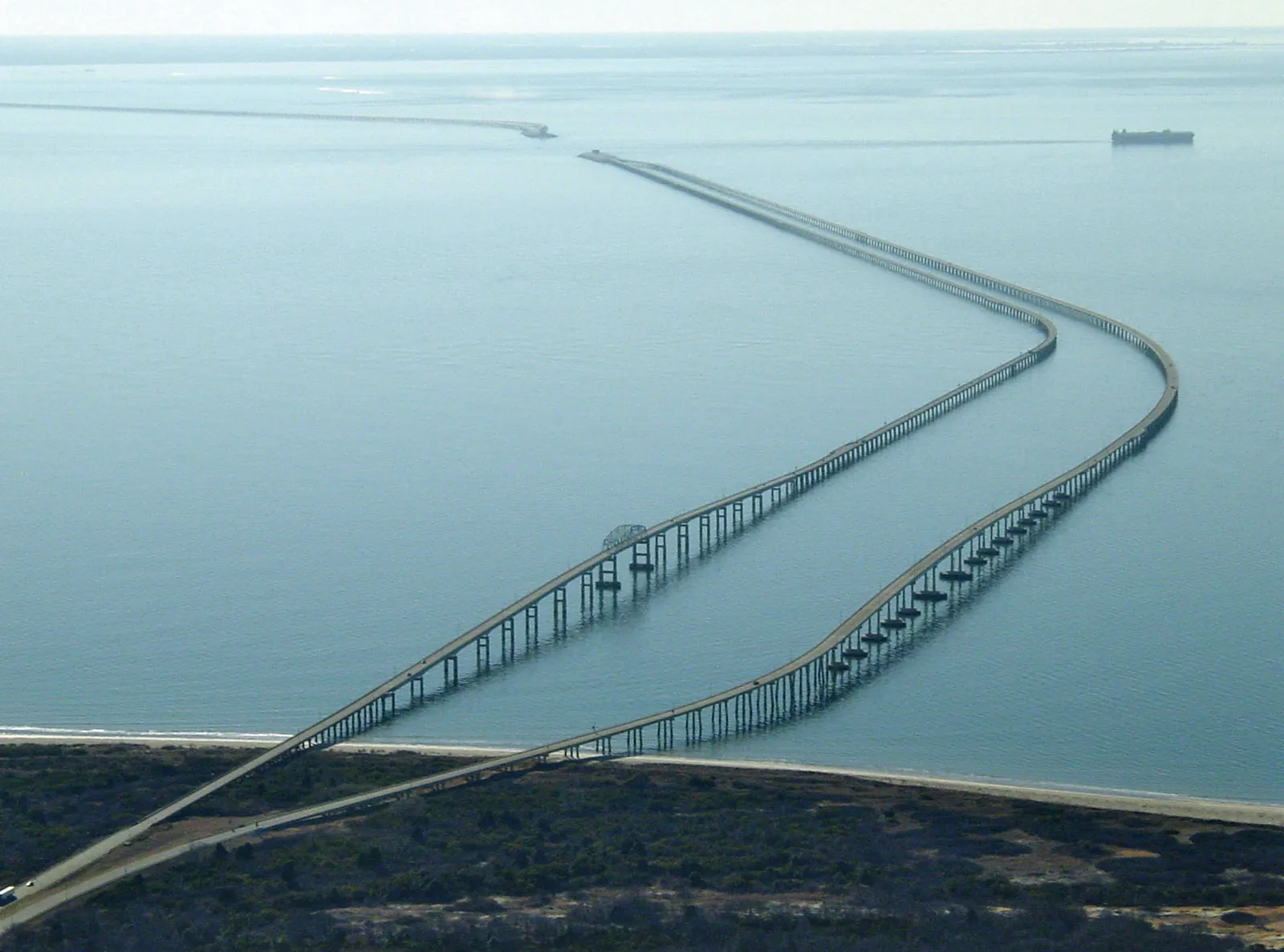
The Chesapeake Bay Bridge, an iconic structure connecting Maryland’s eastern and western shores, plays a crucial role in regional transportation and tourism. Spanning approximately four miles, this bridge not only facilitates daily commutes but also attracts millions of tourists each year to the scenic Eastern Shore. With ongoing discussions regarding infrastructure improvements and toll adjustments, it is essential to stay informed about the latest developments surrounding this beloved landmark.
Recent Developments
In recent months, the Maryland Transportation Authority (MDTA) has announced plans for a comprehensive maintenance project on the Chesapeake Bay Bridge, which is slated to begin in early 2024. The project aims to enhance the bridge’s structural integrity and safety, addressing concerns raised after adverse weather conditions and increased traffic volumes. This maintenance work is anticipated to last several months and will involve periodic lane closures, particularly during off-peak hours, to minimize disruption to commuters and travelers.
Furthermore, the MDTA is considering adjustments to toll rates to support the funding of these critical improvements. A public hearing is scheduled for November 2023 to gather input from stakeholders and residents. Tolls on the bridge currently range from $2.50 to $4.00, depending on vehicle class, and any proposed changes could impact daily commuters who rely on this route for work and leisure travel.
Environmental Impact and Tourism
The Chesapeake Bay Bridge is not only essential for transport but also serves as a vital connector to various recreational activities around the Bay. Its proximity to parks, wildlife reserves, and historical sites contributes significantly to local tourism revenues. The bridge’s presence facilitates easy access to outdoor activities such as boating, fishing, and sightseeing. As discussions on maintenance and potential toll adjustments unfold, it is important for stakeholders to consider the balance between infrastructure needs and the preservation of natural resources surrounding the Bay.
Conclusion
The Chesapeake Bay Bridge remains more than just a passageway; it is a symbol of Maryland’s rich cultural and natural heritage. As maintenance projects are set to commence and toll discussions take place, the significance of this bridge for both local residents and tourists cannot be understated. Looking ahead, a commitment to preserving this key asset will ensure that it continues to serve as a vital link for transportation, tourism, and the economy in the region for years to come.