
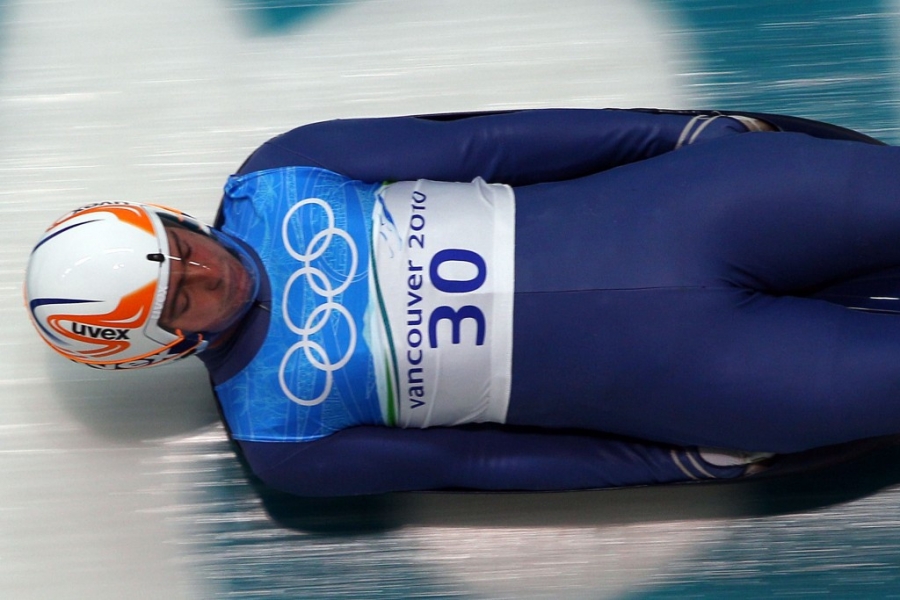
Introduction: The Importance of Nodar Kumaritashvili
Nodar Kumaritashvili, a Georgian luger, remains a significant figure in winter sports history following his tragic death during a training run for the 2010 Winter Olympics in Vancouver. His legacy is not only that of a talented athlete but also one that drives discussions on safety standards and athlete wellbeing in high-speed sports like luge. As the winter sports season approaches, Kumaritashvili’s story serves as a poignant reminder of the risks athletes face and the ongoing need for improvements in safety protocols.
Details of the Incident
On February 12, 2010, Nodar Kumaritashvili was training on the Whistler Sliding Centre track when he tragically lost control and crashed into a protective pole. The immense speed of luge, which can exceed 80 miles per hour, poses significant challenges and risks for competitors. Kumaritashvili was only 21 years old at the time of his passing, and his death shocked the sports community worldwide.
The consequences of this event were immediate and profound. Investigations prompted by the incident led to scrutiny regarding the safety measures implemented at the Whistler Sliding Centre. Following Kumaritashvili’s death, several changes were made to improve track safety and athlete protection, including adjustments to protective barriers and alterations to the track design to reduce speed in certain areas.
Impact on Luge and Winter Sports
Nodar’s death also sparked a broader conversation regarding athlete safety across all winter sports, leading to improved regulations and increased safety oversight by international sporting governing bodies. The International Luge Federation (FIL) emphasized its commitment to athlete safety, implementing stricter guidelines for luge tracks worldwide. Additionally, awareness surrounding the physical and mental well-being of athletes has gained importance in recent years.
Conclusion: A Lasting Tribute
As the world reflects on Nodar Kumaritashvili’s life, it becomes evident that his legacy extends beyond his accomplishments in luge. His tragic story has become a catalyst for change, leading to improved safety protocols that prioritize the lives of athletes. His memory continues to influence the sport, reminding athletes, coaches, and governing bodies alike of the importance of safety over speed and competitiveness. As winter sports enthusiasts gear up for the upcoming season, Nodar Kumaritashvili’s legacy remains a guiding force, encouraging a culture of safety and mindfulness in the world of competitive sports.