
Recent Developments in the Gulf Region
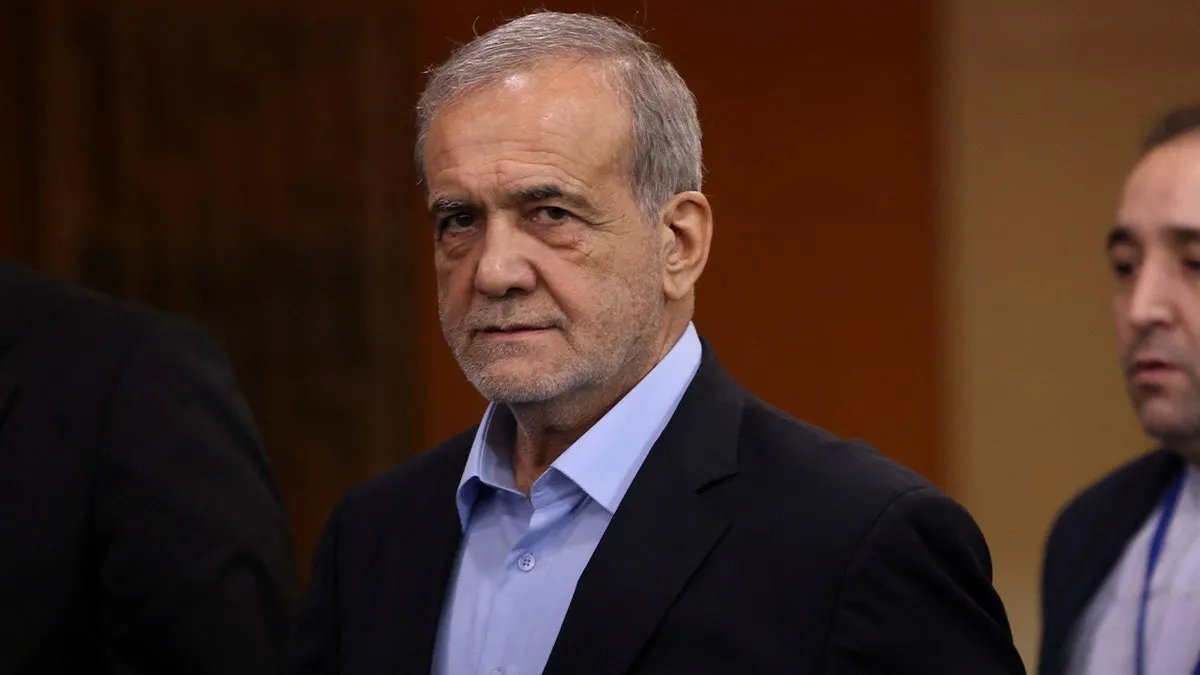
On March 8, 2026, Iranian President Masoud Pezeshkian addressed escalating tensions in the Gulf region, particularly in light of Iran’s recent military actions. Pezeshkian’s remarks come amid a backdrop of retaliatory strikes against neighboring countries, which Iran has conducted in response to perceived threats from the US and Israel.
Pezeshkian publicly apologized to the countries affected by Iran’s actions, stating, “I personally apologise to neighbouring countries that were attacked by Iran.” This statement marks a notable shift in Iran’s diplomatic tone, as the country has often maintained a more aggressive stance regarding its military operations.
However, the Islamic Revolutionary Guard Corps (IRGC) expressed disapproval of Pezeshkian’s conciliatory remarks, warning that Iran would continue its attacks if the US and Israel utilized neighboring territories for operations against Iran. Ali Larijani, a prominent Iranian official, reinforced this position, stating, “When the enemy attacks us from bases in the region, we respond – and we will continue to respond.”
In a related development, Iran’s Foreign Minister asserted that Tehran would not cease its military actions, emphasizing that defensive operations should not be interpreted as hostility towards regional countries. Pezeshkian, while pledging to halt attacks unless they originated from neighboring countries’ soil, described the selection of Ayatollah Khamenei as a new era for Iran.
Additionally, Pezeshkian held a phone conversation with Azerbaijani President Ilham Aliyev to discuss the ongoing regional tensions. This dialogue reflects Iran’s attempts to engage with its neighbors amid rising concerns about military aggression.
Details remain unconfirmed regarding the implications of these mixed messages from Iranian leadership on regional stability. An Iranian drone attack recently caused damage to a water desalination plant in Bahrain, further exacerbating tensions in the Gulf.
The Gulf Cooperation Council condemned Iran’s actions, labeling them as dangerous acts of aggression. In response to Pezeshkian’s statements, US President Donald Trump interpreted them as a sign of surrender by Iran, highlighting the complex international dynamics at play.
As the situation evolves, the Iranian leadership’s mixed signals regarding military actions and diplomatic relations continue to raise questions about the future of Iran’s interactions with its neighbors and the broader implications for regional security.