
Who is involved
Before the recent World Baseball Classic, expectations for young pitchers like Paul Skenes were high, especially given the increasing scrutiny on their performance and health. Skenes, a promising talent from the Pittsburgh Pirates, entered the tournament with the weight of his franchise’s struggles on his shoulders. The Pirates have not finished above .500 since 2018 and have not made a postseason appearance in over a decade, which adds pressure on their young prospects to perform at elite levels.
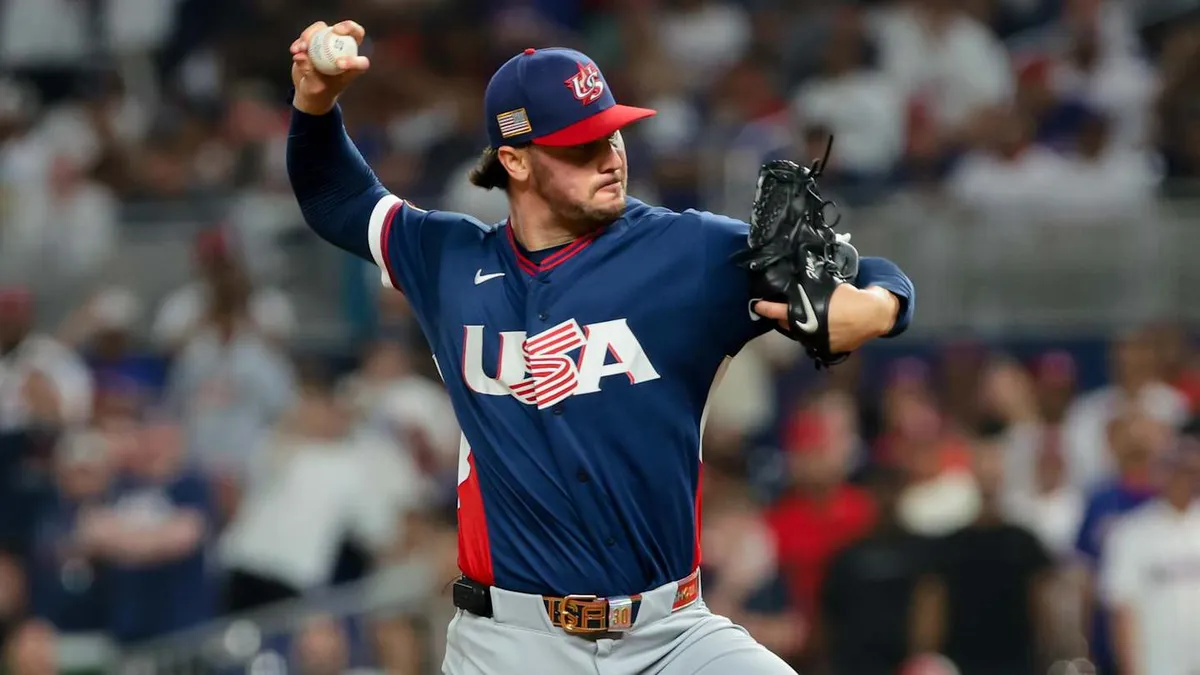
During the semifinal match against the Dominican Republic, Skenes pitched 4 1/3 innings, allowing just one run. This performance was particularly impressive considering the formidable lineup he faced, which included stars like Fernando Tatis Jr., Juan Soto, and Manny Machado. The Dominican Republic had entered the semifinal with a tournament record of 14 home runs, making Skenes’ achievement even more significant. His efforts helped Team USA secure a narrow 2-1 victory, propelling them into the championship game.
However, the narrative shifted when commentator John Smoltz expressed concerns about Skenes’ long-term health during the broadcast. Smoltz, a former pitcher himself, highlighted the risks associated with young arms in high-pressure situations. He stated, “I just hope this young man can stay healthy and defeat the odds of every pitcher in the big leagues that throws like him that usually ends up getting something. An injury.” This commentary reflects a growing concern in baseball regarding the sustainability of young pitchers’ careers.
Smoltz’s remarks drew attention not only for their content but also for their contradictory nature regarding pitcher workload and injury risk. While praising Skenes’ performance, he implied that unless Skenes leaves the Pittsburgh Pirates, he might not have the opportunity to pitch in meaningful games. He remarked, “Let’s face it, Skenes is probably never gonna get, until he goes somewhere else, to pitch in a game like this.” This statement raises questions about the environment in which young talents are developed and the potential impact of team performance on individual careers.
The immediate effects of Smoltz’s commentary were felt among fans and analysts alike, who began to scrutinize the implications of his statements. Many viewed his concerns as valid, given the historical context of pitcher injuries in Major League Baseball. Skenes passed a significant test against one of the most formidable lineups ever assembled in the World Baseball Classic, yet the underlying issues of health and team dynamics remain a focal point.
Experts in sports medicine and player development have echoed Smoltz’s concerns, emphasizing the importance of managing young pitchers’ workloads to prevent injuries. The balance between pushing for performance and ensuring long-term health is a delicate one, and Skenes’ situation exemplifies this ongoing challenge in baseball.
As the tournament progresses and Skenes’ career unfolds, the discussion surrounding his health and performance will likely continue. The pressures of the game, combined with the expectations placed on young athletes, create a complex landscape that requires careful navigation. Details remain unconfirmed regarding how the Pirates plan to manage Skenes moving forward, but the spotlight on his performance and health is sure to remain intense.