
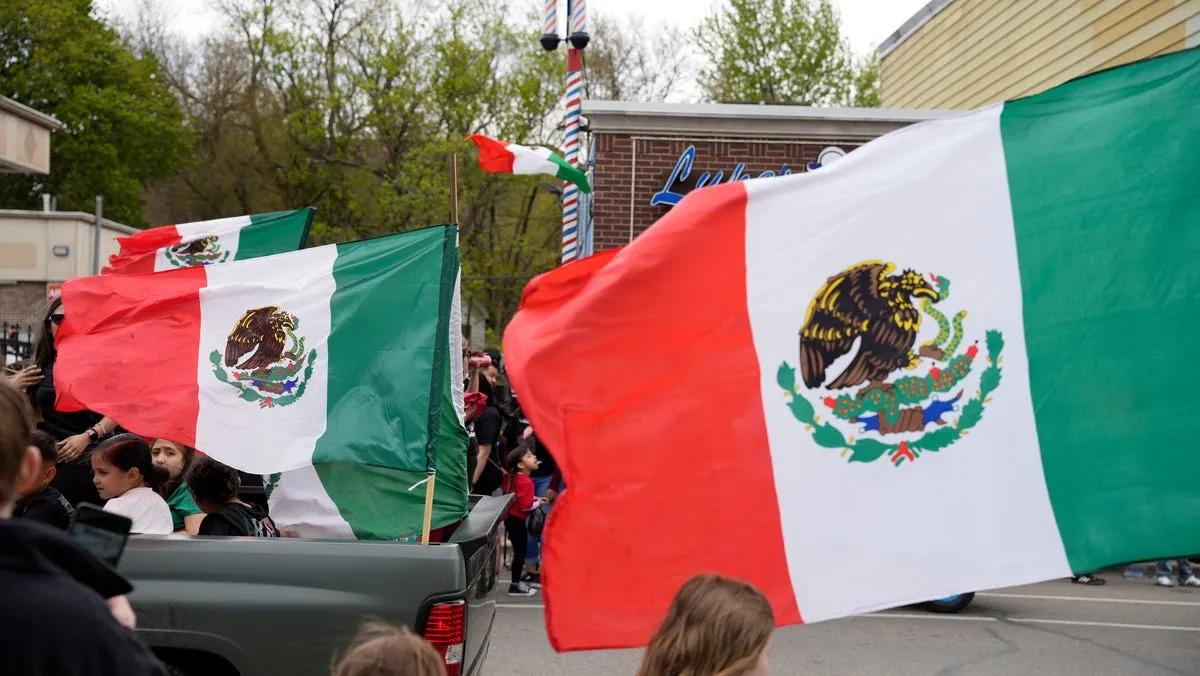
Cinco de Mayo is often mistaken for Mexican Independence Day, but it actually commemorates the May 5, 1862, victory of Mexican forces over French troops at the Battle of Puebla. This battle occurred during the Franco-Mexican War and has become a symbol of resistance against foreign intervention.
On that fateful day, about 2,000 Mexican troops faced off against approximately 6,000 French soldiers. Despite being outnumbered, the Mexican army managed to secure a remarkable victory, losing fewer than 100 men while inflicting around 500 casualties on the French. This event was significant but not a turning point in the war itself.
That context matters because many people conflate Cinco de Mayo with Mexican Independence Day, which is celebrated on September 16. The confusion often arises from the way both events celebrate Mexican heritage and resilience. While Cinco de Mayo holds local importance primarily in Puebla, it has evolved into a broader celebration of Mexican-American culture across the United States since the 1960s.
Emmanuel Padilla highlights this misunderstanding: “It is important that we recognize what May 5 actually is… that everyone is informed that there is a difference between Independence Day and May 5… because those two are often confused.” This illustrates how cultural narratives can sometimes overshadow historical accuracy.
Moreover, Cinco de Mayo celebrations in the U.S. have taken on a life of their own, often featuring festive parades, music, and food—think tacos and tequila. Yet some critics point out the irony in how these festivities are embraced by those who may not fully appreciate or respect the cultural significance behind them. Andrea Ruiz remarked, “I think it’s funny Trump … and all of his supporters want to get Mexicans out, call them criminals, but then on Cinco de Mayo, they want to go and eat tacos and drink tequila.” This statement underscores the complex dynamics of cultural appropriation versus appreciation.
In essence, while Cinco de Mayo serves as an opportunity to celebrate Mexican culture and heritage—especially within Mexican-American communities—it is vital to distinguish it from the historical context of Mexican Independence Day. Understanding these differences enriches our appreciation for both events.