
Key moments
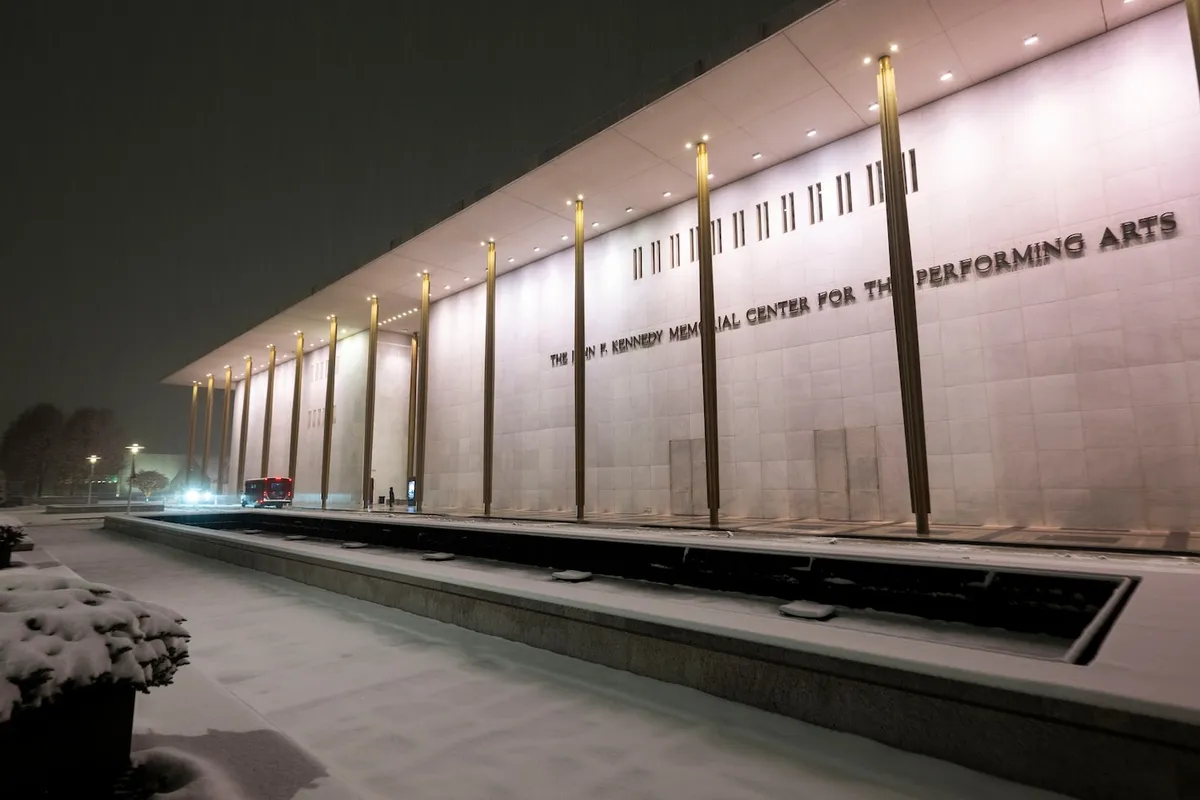
In a significant development, the Kennedy Center board members voted unanimously on March 16, 2026, to shut down operations for two years to facilitate extensive renovations. This decision, confirmed during a board meeting hosted by former President Donald Trump at the White House, is expected to impact approximately 75 to 175 of the Center’s roughly 300 employees.
Matt Floca has been appointed as the new CEO and executive director, taking over from Richard Grenell, who previously held the position. The board’s decision to close the Kennedy Center, which is set to begin after the July 4 celebrations in 2026, comes amid concerns about the facility’s condition, which Trump described as being in “very, very bad condition.” The board is composed primarily of Trump appointees, reflecting a shift in leadership and oversight.
During the meeting, Joyce Beatty, an ex-officio board member, attended but was not allowed to vote, raising questions about the legality of the proceedings. A federal judge had previously ruled that Beatty was entitled to participate, adding another layer of complexity to the board’s decision-making process. The board also voted to approve The Washington National Opera’s decision to leave the Kennedy Center, further complicating the future of the venue.
The renovations, which have been allocated $257 million in congressional funding, are intended to restore the Kennedy Center to its former glory. However, the exact extent of the renovations needed remains unclear, and the legality of the board’s decision to close the Center is under scrutiny. “While I’m not against renovations, if they need to be done, I am totally against the process: it being unlawful,” Beatty stated, highlighting the contentious nature of the board’s actions.
Trump’s remarks during the meeting emphasized the importance of the renovations, stating, “We’re going to ensure it remains the finest performing arts facility of its kind anywhere in the world.” His comments reflect a broader commitment to revitalizing the Kennedy Center, although critics have raised concerns about the implications of the closure.
Deborah Borda, a prominent figure in the arts community, expressed her concerns regarding the board’s decision, stating, “The harms from a closure of the Kennedy Center at the scale and on the timeline announced are severe, immediate, and cannot be quickly reversed.” This sentiment underscores the potential impact of the closure on the arts community in Washington, D.C.
As the Kennedy Center prepares for this significant transition, the reactions from various stakeholders continue to unfold. The board’s unanimous vote marks a pivotal moment in the institution’s history, with implications that will resonate throughout the performing arts landscape.
Details remain unconfirmed regarding the full scope of the renovations and the future of the Kennedy Center’s operations. As the situation develops, the arts community and the public await further information on how these changes will unfold.