
How it unfolded
On March 17, 2026, Uber Technologies announced a significant expansion of its robotaxi services, which led to a 5.1% increase in its shares. The announcement came as part of a broader strategy to roll out self-driving robotaxis, with operations set to begin in Los Angeles and San Francisco by 2027. This ambitious plan aims to expand Uber’s robotaxi services to 28 cities worldwide by 2028, marking a pivotal moment in the company’s journey towards autonomous transportation.
As the news broke, Uber’s shares closed at $77.75, reflecting a 4.4% rise from the previous close. However, despite this surge, Uber’s stock is still down 6% since the beginning of the year and is trading 22.2% below its 52-week high of $100.10, reached in October 2025. This fluctuation in stock price underscores the volatility often associated with tech stocks, particularly those in the rapidly evolving autonomous vehicle sector.
Prior to this announcement, Uber had formed a strategic partnership with NVIDIA, which aims to develop Level 4 driverless services. At the time of the partnership announcement, Uber’s shares were trading at $74.66. This collaboration is seen as a critical step for Uber, allowing the company to pursue its autonomous vehicle goals without incurring the high costs of developing its own technology. Instead, Uber is positioning itself as a platform for partners, leveraging NVIDIA’s expertise in AI and autonomous systems.
In addition to its robotaxi initiatives, Uber also revealed plans to invest half a billion dollars in its operations in Argentina over the next three years. This investment is part of Uber’s broader strategy to enhance its global presence and improve service offerings in key markets. The combination of these announcements has generated considerable excitement among investors, particularly as they align with the growing interest in AI-related technologies.
Investor enthusiasm for Uber’s stock surge can be attributed to the anticipation surrounding AI-related announcements. As one analyst noted, “Uber’s stock surge reflects investor enthusiasm for AI-related announcements rather than genuinely new developments.” This sentiment was echoed by another observer who remarked on the electrifying effect of the words “NVIDIA” and “AI” when mentioned together, suggesting that the market’s reaction was heavily influenced by the potential of these technologies.
However, the path forward is not without challenges. Execution risk remains a central concern, as delays in technology readiness, safety validation, or city approvals could push out the timing of any financial contributions from the robotaxi initiative. This uncertainty highlights the complexities involved in bringing autonomous vehicles to market and the potential hurdles that Uber may face in achieving its ambitious goals.
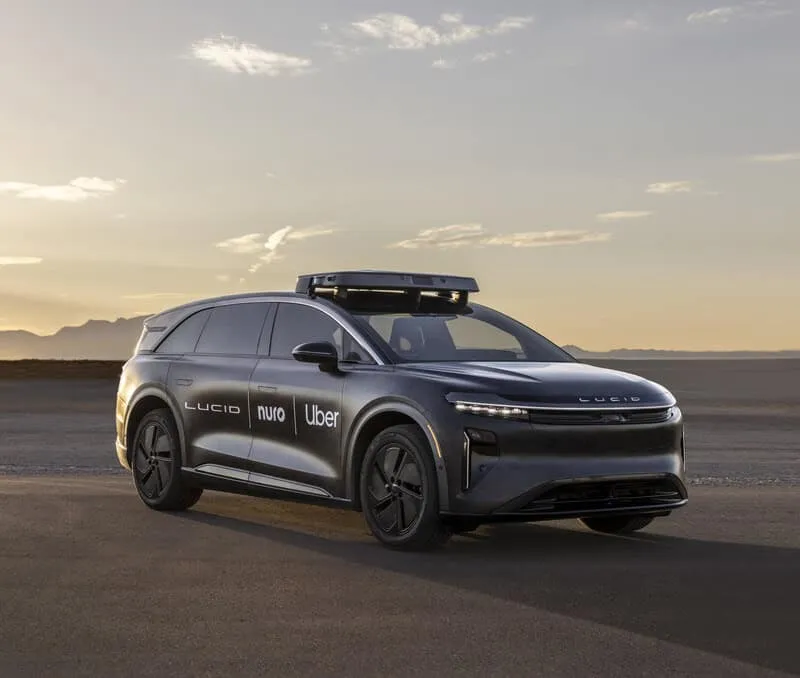
As of now, Uber’s robotaxi ambitions have been public and widely anticipated for months, and the recent announcements have only intensified the focus on the company’s future. The collaboration with Lucid Motors, which has committed to delivering up to 20,000 electric vehicles over six years for the robotaxi program, further solidifies Uber’s commitment to this venture. The strategic partnership investment from Uber to Lucid, amounting to $300 million, underscores the significance of this initiative in Uber’s overall business strategy.
In summary, Uber’s recent announcements regarding its robotaxi services and partnerships have led to a notable increase in its stock price, reflecting investor optimism about the company’s future in the autonomous vehicle market. While the excitement is palpable, the challenges ahead will require careful navigation as Uber seeks to fulfill its ambitious plans in the coming years.