
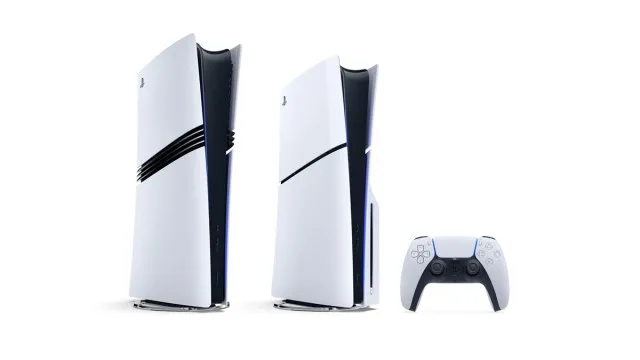
Historically, the Sony PlayStation Network (PSN) has been a cornerstone of online gaming and social connectivity for PlayStation users. However, expectations have shifted as Sony has announced a significant rebranding initiative. By September 2026, the company will phase out the PSN branding entirely, marking a decisive moment in its evolution.
On March 21, 2026, a notable PSN outage disrupted services for thousands of users, highlighting the immediate impact of these changes. While Sony’s system status page indicated normal operations, user reports revealed widespread issues with core features tied to gaming and social connectivity. This disconnect between official communications and user experiences has led to frustration among the community.
Prior to this outage, PSN had experienced a global disruption in February 2025 that lasted approximately 24 hours, along with a seven-hour outage in October 2024. Despite these incidents, outages had become less frequent in recent years, leading many to expect a stable service as Sony transitioned to new branding.
As part of the rebranding, the PSN logo has been replaced with a generic PS logo within the PS5 user interface. Additionally, the term “PlayStation Network sign-in” has been changed to “Sign in to online services,” and the service status webpage is now titled “PlayStation Status.” These changes reflect Sony’s strategic decision to better capture the breadth of its evolving digital services.
According to Sony, “We’d like to inform you that Sony Interactive Entertainment (SIE) has strategically decided to phase out the terms ‘PlayStation Network’ and ‘PSN’ across our platform in order to properly capture the breadth of our evolving digital services.” This statement underscores the company’s intent to expand its offerings beyond gaming, potentially including movies and TV shows.
Despite the branding changes, experts note that this shift does not affect the current services available to users. “This change doesn’t affect any of their current services — friends can still be added, games can still be played online, etc.,” they emphasize. However, the user experience during the recent outage suggests that the transition may not be entirely seamless.
Real-time user feedback during the outage painted a different picture from the company’s official status updates, with social media filled with complaints and frustration. This contrast raises questions about the effectiveness of the new branding strategy and its implementation.
As Sony moves forward with its plans, the gaming community will be watching closely to see how these changes impact their experience on the platform. Details remain unconfirmed regarding the long-term implications of the rebranding on user engagement and service reliability.