
What the data shows
What does the future hold for Temporary Protected Status (TPS) in the United States? As of now, TPS remains a crucial lifeline for many individuals from countries facing crises, allowing them to live and work in the US temporarily. However, recent legal challenges and legislative efforts raise questions about its long-term viability.
TPS was designed to be a temporary measure, but its implications have become more complex over time. The Trump administration revoked TPS for nationals from several countries, including Haiti and Syria, which has led to significant legal battles. For instance, on March 16, the US Supreme Court temporarily blocked plans to deport approximately 6,000 Syrians and 350,000 Haitians who hold TPS, highlighting the ongoing uncertainty surrounding their status.
Representative Sheila Cherfilus-McCormick has introduced the Respect for Essential Workers Act, which aims to provide a pathway to Green Cards for TPS holders. “Over 403,000 TPS holders in Florida keep our communities running, working in health care, construction, food supply, and more,” she stated, emphasizing the vital contributions these individuals make to the economy.
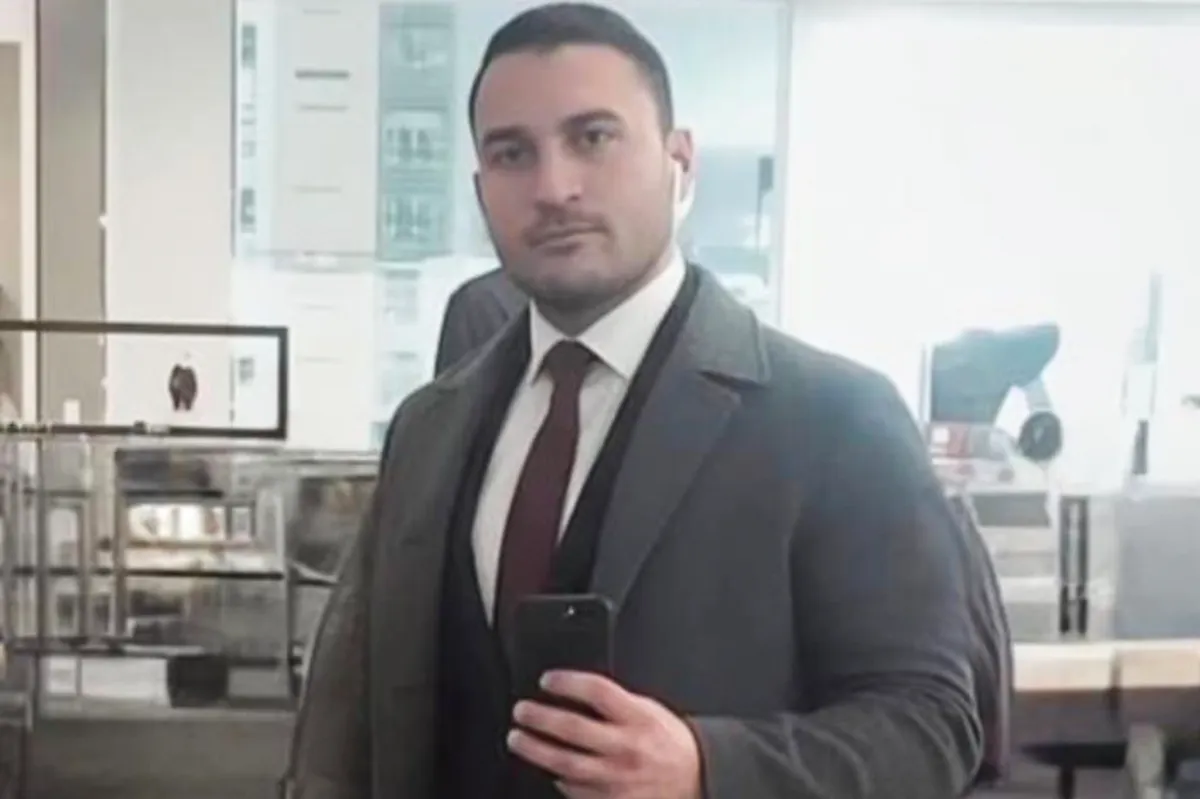
However, the legal landscape remains fraught with challenges. Rafael Andres Rubio Bohorquez, a TPS holder, was recently denied release from ICE detention by Judge John Cronan, who ruled that Bohorquez’s TPS status had been withdrawn due to the previous administration’s actions. “The Court… concludes that, as a factual matter, Rubio’s TPS has been withdrawn,” Judge Cronan noted, underscoring the precarious situation many TPS holders face.
Furthermore, TPS holders cannot apply for a Green Card directly; they must qualify through other means, such as marriage to a US citizen or employer sponsorship. This limitation adds another layer of complexity for those seeking to secure their status in the US.
As the legal battles continue, the National TPS Alliance and other advocacy groups are working tirelessly to protect the rights of TPS holders. Jessica Bansal, an attorney involved in these efforts, remarked, “Everyone’s application is still pending, more or less,” indicating the ongoing uncertainty for many individuals awaiting resolution of their status.
In light of these developments, it remains to be seen what the future holds for TPS in the United States. While legislative efforts like the Respect for Essential Workers Act offer hope, the legal challenges and the political landscape could significantly impact the lives of hundreds of thousands of individuals who rely on TPS.
As the situation evolves, it is crucial to monitor the outcomes of these legal challenges and legislative efforts. The future of TPS and its holders hangs in the balance, with many questions still unanswered. Details remain unconfirmed.