
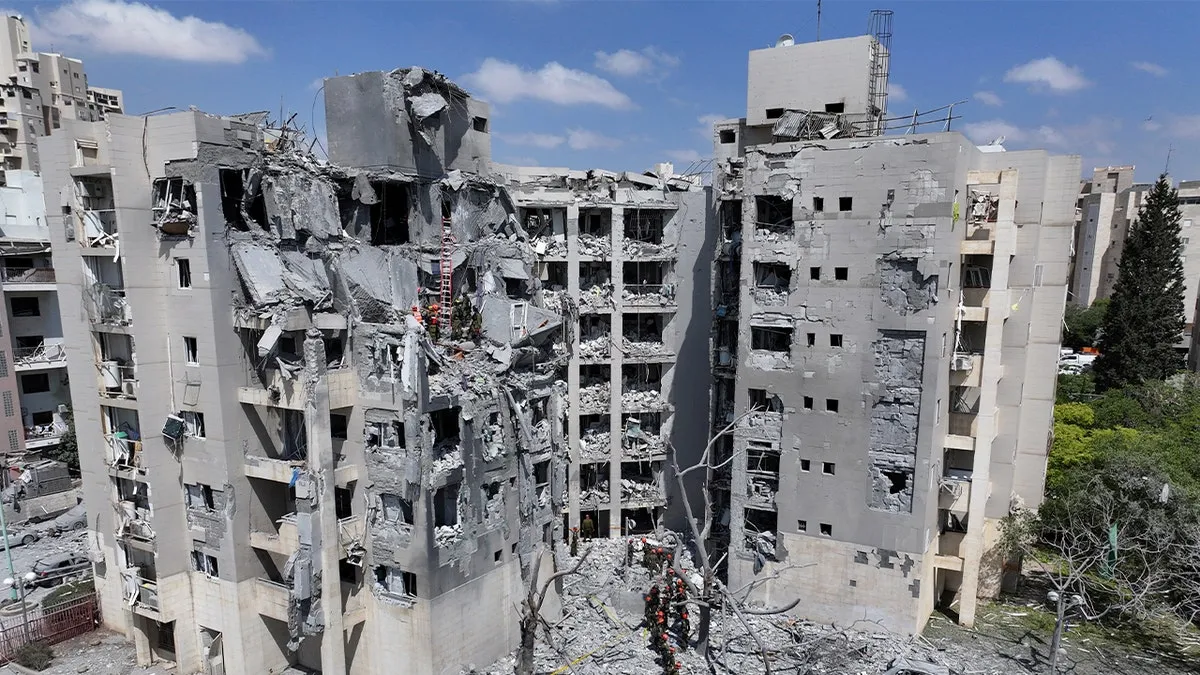
The Iran Israel war continues to escalate, with significant consequences for the region and beyond. Despite attempts at diplomacy, Iran has dismissed an American plan for a ceasefire, leading to further attacks on Israel and Gulf Arab countries. Notably, recent strikes have targeted critical infrastructure, including a fuel tank at Kuwait International Airport.
Iran’s Foreign Minister, Abbas Araghchi, has made it clear that no negotiations are currently taking place, stating, “No negotiations have happened with the enemy until now, and we do not plan on any negotiations.” This stance has contributed to a rising death toll in Iran, now exceeding 1,500, alongside significant casualties in Lebanon and Israel.
In response to the ongoing conflict, Iran has proposed its own five-point ceasefire plan, which includes demands for reparations and an end to hostilities. However, the United States has countered with a proposal that includes sanctions relief and limitations on Iran’s nuclear program, which Iran remains suspicious of due to past U.S. military actions during diplomatic talks.
The conflict’s impact extends beyond human casualties, as Iran’s attacks on regional energy infrastructure have caused a significant rise in oil prices. Brent crude oil has seen a price increase of 35% since the war began, with prices reaching as high as $120 per barrel last week.
Amid these developments, the U.S. is bolstering its military presence in the region, dispatching at least 1,000 troops from the 82nd Airborne Division. This move is seen as a response to the escalating tensions and the potential threat posed by Iran’s actions.
Details remain unconfirmed regarding who within Iran’s government holds the authority to negotiate a ceasefire or what specific conditions Iran requires for such an agreement. An anonymous Iranian official stated, “Iran will end the war when it decides to do so and when its own conditions are met.” This ambiguity adds to the uncertainty surrounding the conflict’s resolution.
As the situation continues to evolve, the stakes remain high for all parties involved, with millions displaced and a humanitarian crisis looming in the region. The international community watches closely, hoping for a breakthrough in negotiations that seems increasingly distant.