
How it unfolded
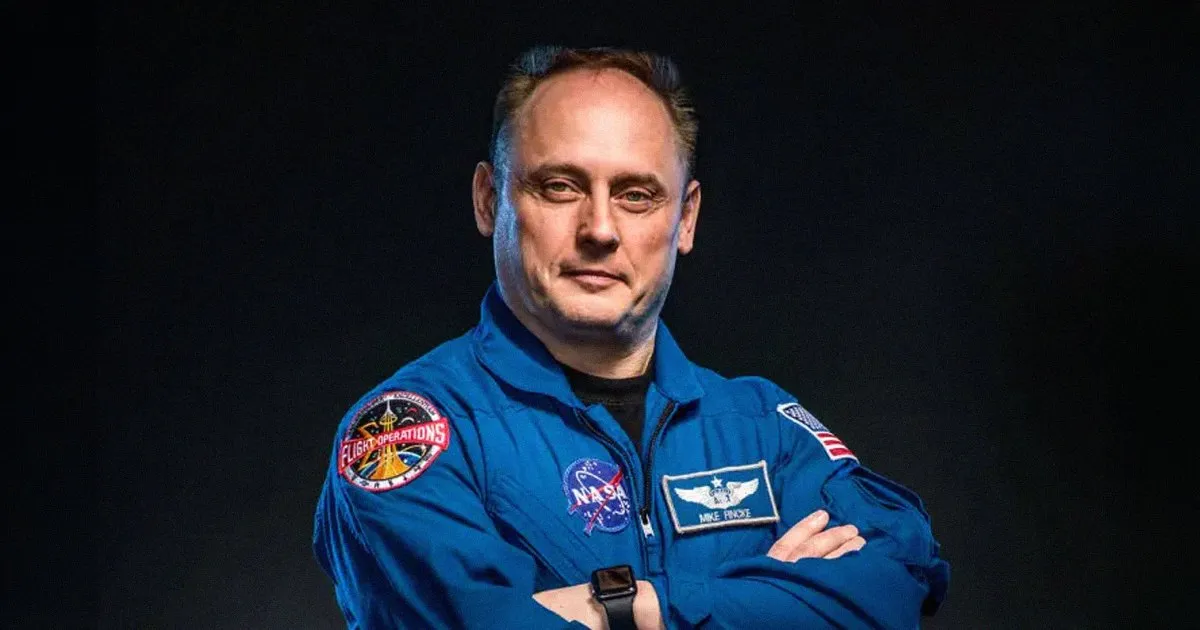
In a historic moment for the International Space Station (ISS), NASA announced the first-ever medical evacuation in the station’s 25 years of continuous human occupation. This unprecedented event was triggered by a medical incident involving astronaut Mike Fincke, who experienced a sudden inability to speak during dinner on March 27, 2026. The situation escalated quickly, prompting immediate action from his fellow crew members.
Fincke’s medical episode lasted approximately 20 minutes, during which he was unable to communicate. This alarming incident raised concerns among the crew and necessitated a swift evacuation. Following the protocols for emergencies aboard the ISS, a crew of four astronauts successfully splashed down in the Pacific Ocean on January 15, marking a significant moment in spaceflight history.
Having spent an impressive 549 days in space, Mike Fincke has been a vital part of the ISS missions. His experience and health have been closely monitored, as NASA has been studying the health effects of space travel on the human body. Fincke expressed his surprise at the incident, stating, “It was completely out of the blue,” highlighting the unpredictable nature of medical emergencies in space.
As NASA navigates the challenges of maintaining the ISS, the agency faces additional hurdles in finding a commercial replacement for the aging space station. Dana Weigel, a NASA representative, noted, “We’re on a path that’s not leading us where we thought it would,” indicating the complexities involved in transitioning to commercial partnerships for future space endeavors.
To address these challenges, NASA has proposed that private companies collaborate directly with them on modules that would dock with the ISS. This initiative aims to foster innovation and ensure the continued operation of the station, which remains a crucial platform for scientific research and international cooperation in space.
In the midst of these developments, NASA astronauts completed U.S. spacewalk 94 on March 18, preparing for future solar array installations. This ongoing work is essential for maintaining the station’s power supply and supporting various research projects, including advancements in quantum science. The upcoming Northrop Grumman Commercial Resupply Services 24 mission, targeted for lift-off on April 8, will deliver critical research materials to the ISS, further emphasizing the station’s role in advancing scientific knowledge.
Despite the successful evacuation and ongoing missions, uncertainties linger regarding Fincke’s medical episode. The exact cause of his inability to speak remains a medical mystery, leaving both NASA and the astronaut community concerned. Additionally, the future of commercial activity in low-Earth orbit is uncertain, as stakeholders navigate the evolving landscape of space exploration.
As the ISS continues to operate, the implications of these events resonate throughout the space community. The first medical evacuation serves as a reminder of the inherent risks associated with space travel and the importance of preparedness in addressing emergencies. With ongoing research and collaboration, NASA aims to ensure the safety and well-being of astronauts as they push the boundaries of human exploration beyond our planet.