
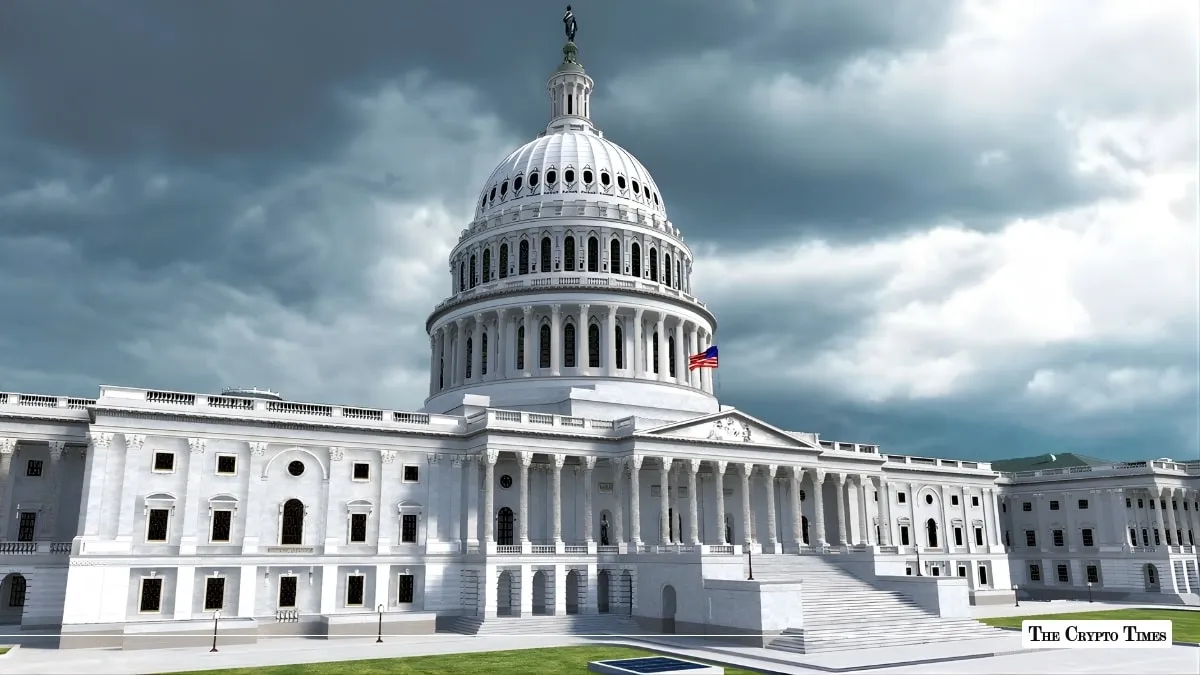
On March 27, 2026, Senator Elissa Slotkin introduced significant legislation in Washington, D.C. aimed at regulating prediction markets and preventing insider trading by government officials. This bill, known as the Public Integrity in Financial Prediction Markets Act of 2026, seeks to prohibit officials from using insider information to profit from these markets.
The proposed legislation comes in response to growing concerns about insider trading in prediction markets, particularly in light of recent events where bettors predicted U.S. military action against Iran. Reports indicate that at least 150 bettors profited significantly, with some accounts earning as much as $10,000 on platforms like Polymarket.
Slotkin’s bill includes strict penalties for violations, with fines of up to $500 or double the profit made on the bet. Additionally, officials will be required to report any bets valued at more than $250, ensuring transparency and accountability in their financial dealings.
The legislation applies to federally elected officials, political appointees, and government employees, extending existing insider trading principles to prediction markets. Slotkin emphasized the importance of maintaining public trust, stating, “Public service should never be a pathway to personal profit based on insider information.”
Concerns about insider trading have intensified as prediction markets gain visibility and size. A notable instance involved six accounts reportedly making a total profit of $1.2 million during U.S.-Israeli strikes on Iran, raising alarms about the ethical implications of such financial gains.
Senator Todd Young, a co-sponsor of the bill, echoed Slotkin’s sentiments, asserting that “no one should be profiting off the information and knowledge gained as a public servant, period.” He described the legislation as a crucial step toward establishing common-sense rules around prediction markets.
Slotkin further remarked, “It’s an operational risk,” highlighting the potential dangers posed by allowing government officials to engage in prediction markets without oversight.
This legislative effort is part of a broader movement to regulate financial prediction markets and ensure that public service remains free from conflicts of interest. As the bill moves forward, it aims to foster a culture of integrity in government dealings.
Reactions to the bill have been largely positive, with many advocating for stricter regulations to prevent unethical practices in prediction markets. However, details remain unconfirmed regarding the bill’s progress through Congress and its potential impact on existing prediction market platforms.