
Who is involved
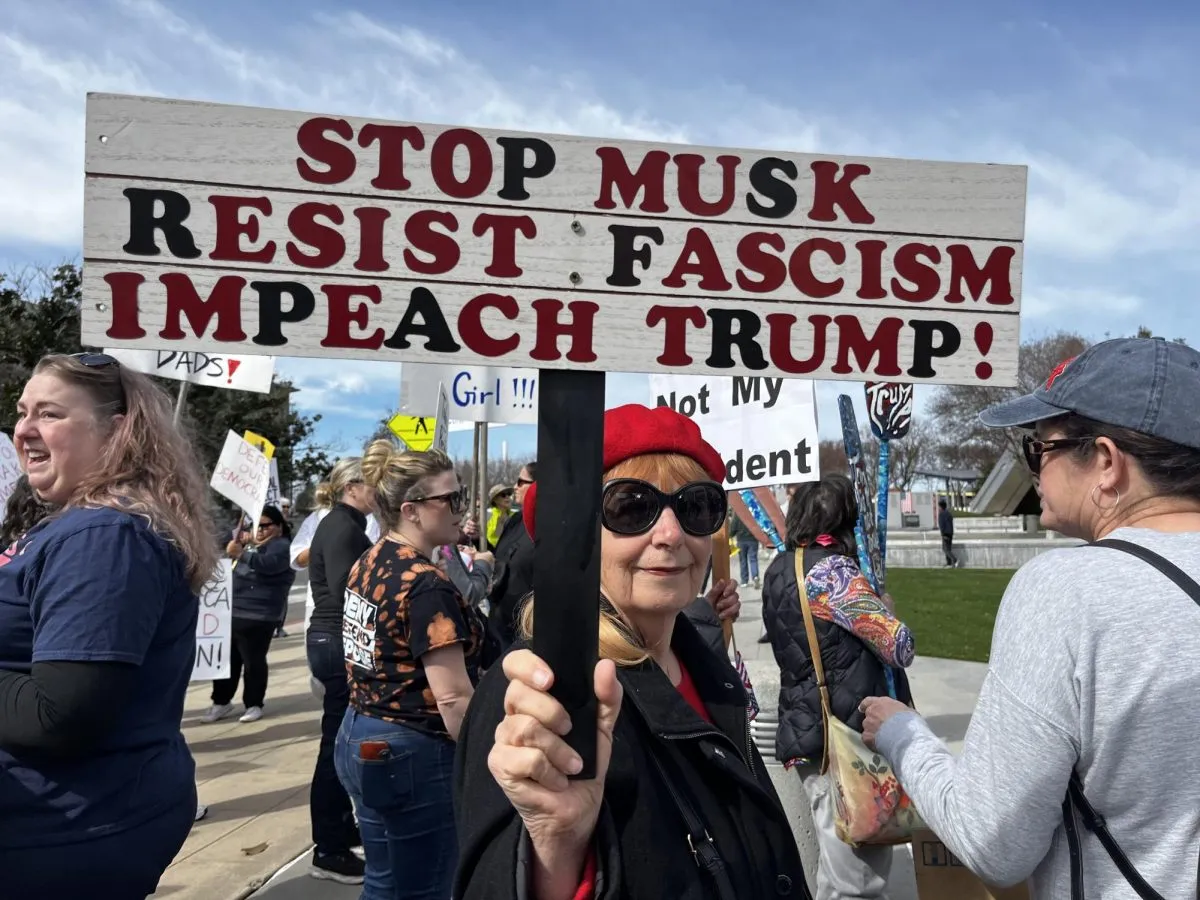
The No Kings protests are a significant movement emerging in response to President Donald Trump’s perceived authoritarianism. Prior to this development, many Americans were grappling with the implications of Trump’s presidency, which had already sparked widespread political activism. The expectation was that the political landscape would remain contentious but relatively stable, with traditional party lines holding firm.
However, a decisive moment came when the Indivisible organization announced the No Kings protests, which are set to take place on March 28, 2026. This initiative is not just a local event; it is a nationwide series of demonstrations, with over 3,000 planned across the country. More than 9 million people are expected to participate, marking this as potentially the largest day of protesting in U.S. history. In Philadelphia alone, at least 40 protests are scheduled, with the main event starting at City Hall and marching down the Ben Franklin Parkway.
The immediate effects of the No Kings protests are profound. Activists like Analilia Mejia, who is also a candidate in New Jersey’s 11th District special election, are leveraging this momentum to galvanize support against Trumpism. The protests are seen as a direct response to the growing discontent among suburban voters, who are increasingly distancing themselves from the Republican Party due to Trump’s policies and rhetoric.
As the protests unfold, the atmosphere is charged with urgency. Activists are expressing sentiments that resonate deeply within their communities. Allison Posner, a participant, stated, “This is not some other people’s fight. This is our fight,” emphasizing the collective ownership of the movement. Similarly, Analilia Mejia remarked, “A ZIP code does not protect anyone from rising violent authoritarianism,” highlighting the pervasive nature of the issues at stake.
The protests are not merely symbolic; they are a manifestation of a larger trend where suburban voters are shifting their allegiances in response to Trump’s presidency. Jeff Naiman, another activist, described the situation succinctly: “It’s like our hair is on fire,” illustrating the urgency felt by many as they mobilize against what they see as an existential threat to democracy.
As the date approaches, the stakes are high. The Philadelphia protest is set to feature speeches starting at 1:15 p.m., where leaders and activists will rally participants and articulate their demands. The special election in New Jersey’s 11th District, scheduled for April 16, 2026, adds another layer of significance to these protests, as candidates like Mejia seek to capitalize on the anti-Trump sentiment.
In summary, the No Kings protests represent a pivotal moment in American political activism, uniting millions against a backdrop of perceived authoritarianism. With a significant turnout anticipated, the movement is poised to reshape the political landscape, particularly among suburban voters who are increasingly vocal in their opposition to Trump. Details remain unconfirmed as the situation evolves, but the momentum is undeniable, and the implications could be far-reaching for the upcoming elections.