
How it unfolded
In late October, a series of events unfolded in Platte City, Missouri, that would raise serious questions about privacy and surveillance. The city installed a wildlife camera focused on the backyard of Stephanie Santos’s home. This camera was positioned in a tree on a privately owned vacant lot adjacent to Santos’s property, capturing time-lapse images from 7 a.m. to 7:30 p.m. over a span of three days.
The installation of the camera was not without controversy. The city later admitted that the camera constituted an intrusion into the privacy of Santos and her family. This admission came after a history of issues involving Santos’s father, who had previously faced complaints regarding feeding wild cats in the area. The decision to install the camera was ostensibly made to monitor wildlife, but it quickly became a focal point for discussions about privacy rights and government overreach.
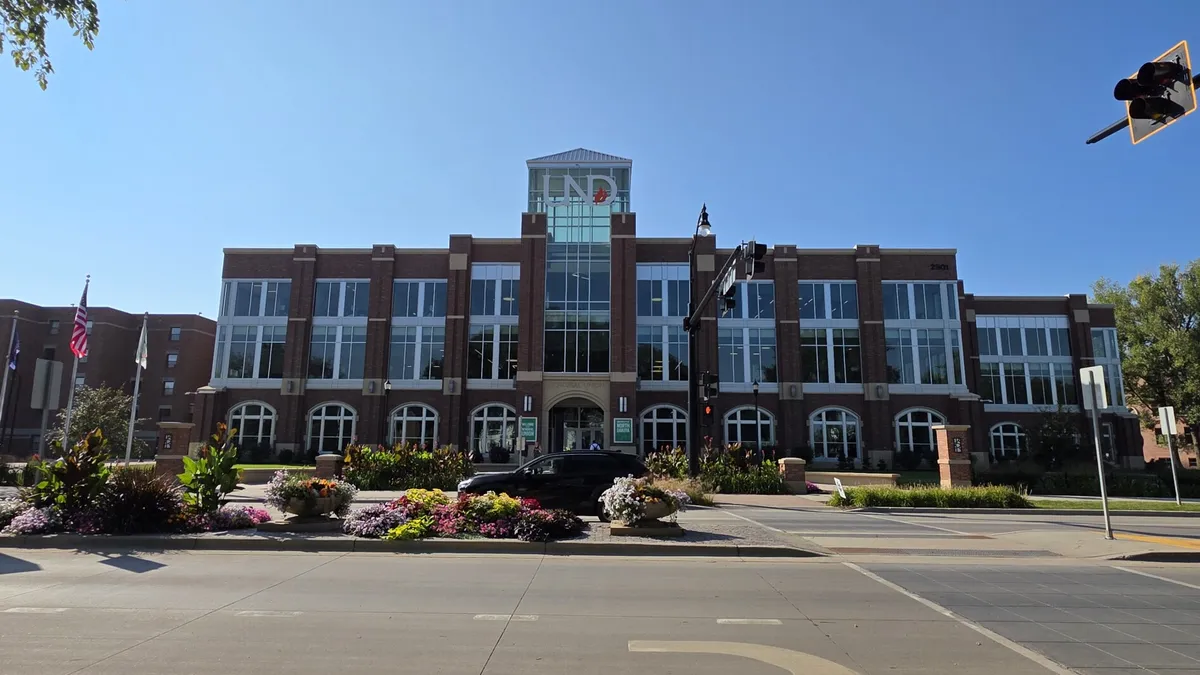
As the situation in Platte City developed, another significant camera-related event occurred at the University of North Dakota. The University Police Department implemented a new camera system that cost approximately $1.5 to $1.8 million. This upgrade included both indoor and outdoor cameras placed in public spaces, aimed at enhancing campus security and aiding investigations.
Rodney Clark, a representative from the University Police Department, commented on the new system, stating, “You still have to do the police work and ask questions, take reports, but it’s a great place to start when you have nothing.” He further emphasized the improvement in camera quality, describing it as “like watching TV.” This upgrade reflects a growing trend in law enforcement to leverage technology for enhanced security measures.
However, not all camera installations have been met with approval. Just four days after a CCTV camera was installed in Walsall, it was targeted in an arson attack, raising concerns about the safety and security of such surveillance systems. This incident serves as a reminder of the potential backlash against surveillance technology, particularly when it is perceived as invasive.
In the wake of the camera installation in Platte City, Mayor of the city acknowledged the breach of trust that such actions can create, stating, “this action on our part leads to distrust of government at all levels and I am committed to taking steps to rebuild that trust with you and your family.” This statement highlights the delicate balance between ensuring public safety and respecting individual privacy rights.
As of now, the situation remains tense in Platte City, with residents questioning the motives behind the camera installation and the implications for their privacy. The events surrounding these camera installations underscore the ongoing debate about surveillance in communities and the need for transparency and accountability from local governments.
In conclusion, the developments in Platte City and the University of North Dakota illustrate the complexities of modern surveillance technology. While such systems can enhance security, they also raise significant privacy concerns that must be addressed to maintain public trust.