
The numbers
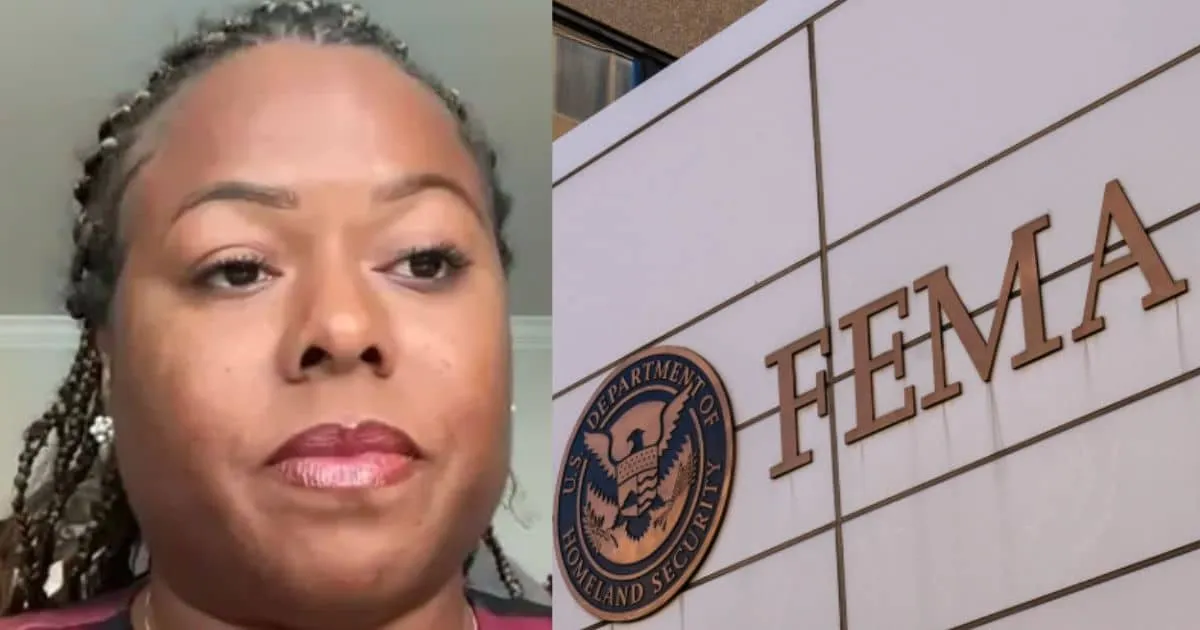
In a significant policy shift, FEMA official Markwayne Mullin has rescinded a rule that required all Department of Homeland Security (DHS) expenditures over $100,000 to receive personal approval from his office. This decision is expected to expedite the processing of disaster response funds, which had been bottlenecked due to the previous requirement.
The rescinded rule, originally implemented by former Secretary Kristi Noem, had delayed at least 1,000 FEMA contracts, grants, or disaster reimbursements by September. At the time of the rule’s suspension, approximately $2.2 billion in recovery and mitigation dollars were stuck in the DHS approval queue, hindering timely disaster response efforts.
Markwayne Mullin’s decision to eliminate this approval bottleneck is seen as a necessary step to improve FEMA’s efficiency in responding to disasters. “We appreciate Secretary Mullin’s common-sense approach to this matter, and we look forward to working with him,” said Josh Morton, president of IAEM-USA, reflecting the optimism surrounding this policy change.
Moreover, Mullin has committed to keeping FEMA adequately staffed, especially after the agency lost over 2,400 employees last year. This staffing issue had compounded the challenges faced by FEMA in managing disaster responses effectively.
In addition to rescinding the approval rule, the DHS appropriations bill is set to add just over $26 billion to the Disaster Relief Fund. This funding is crucial, especially considering that there are still $3.6 billion remaining in the Disaster Relief Fund, which will be vital for ongoing recovery efforts.
While Mullin’s actions have been welcomed by many, they have not been without criticism. Senator Thom Tillis remarked, “You’ve failed at FEMA,” highlighting the ongoing scrutiny of the agency’s performance. Furthermore, the DHS is currently reviewing other policies across the agency, including pausing the purchase of new warehouses for immigration detention, indicating a broader reassessment of DHS operations.
Looking ahead, the scope of the Inspector General’s review will be sweeping, as it aims to identify any improprieties in how contracts were awarded. Mullin has stated, “I will do everything required to me by law,” emphasizing his commitment to transparency and accountability within FEMA.
As these changes take effect, observers will be closely monitoring how they impact FEMA’s ability to respond to future disasters. Details remain unconfirmed regarding the full implications of these policy shifts, but the initial reactions suggest a cautious optimism for improved disaster management.