
Who is involved
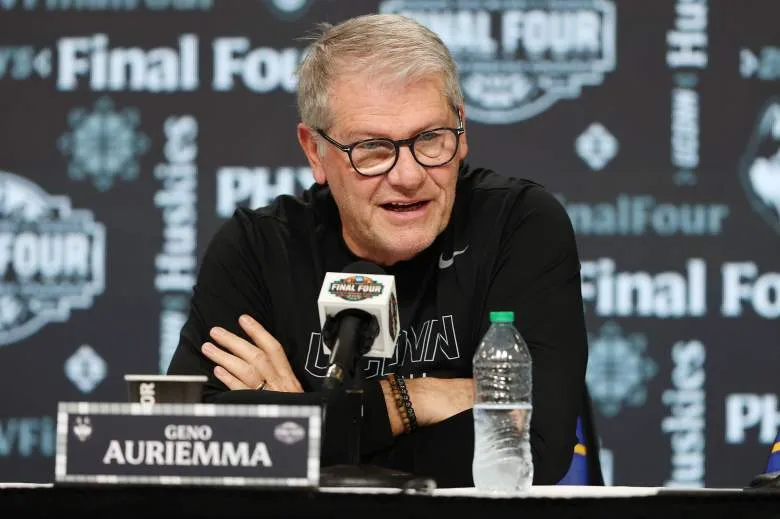
Geno Auriemma, the head coach of the University of Connecticut (UConn) women’s basketball team, has long been a dominant figure in college sports. With 12 national championships under his belt, he is the most successful coach in the history of men’s or women’s college basketball. However, the landscape of coaching salaries in women’s basketball has shifted dramatically, especially with the rise of other prominent coaches like Dawn Staley of South Carolina.
Before recent developments, Auriemma’s salary was relatively modest compared to his achievements. His base salary stood at $400,000 per year, which, while respectable, did not reflect his unparalleled success. The expectation was that Auriemma would continue to earn a salary that aligned more closely with his historic accomplishments, but the market for coaching salaries was evolving.
In a decisive moment for Auriemma’s financial standing, his total contract value was recently reported at $18.7 million over five years. This figure includes a significant increase in additional compensation, starting at $2.94 million in the 2024-25 season and rising by $200,000 each subsequent year. This change marks a substantial shift in how Auriemma’s contributions to the sport are valued, especially in light of his ongoing success.
The immediate effects of this salary adjustment have been notable. Auriemma’s reported salary for the 2025-26 season is set at $3.54 million, a figure that positions him competitively within the coaching landscape. In contrast, Dawn Staley, who became the highest-paid coach in women’s college basketball history in January 2025, has a base salary of $4.25 million for the same season. This comparison highlights the growing financial stakes in women’s college basketball.
Auriemma’s recent bonuses, including $250,000 for reaching the Final Four in 2026, further illustrate the financial incentives tied to performance. These bonuses not only reward success but also reflect the increasing commercialization of women’s sports, where performance directly impacts financial compensation.
Expert voices in the field note that the rising salaries of coaches like Auriemma and Staley are indicative of a broader trend in women’s sports. As more attention and investment flow into women’s basketball, the financial rewards for success are likely to increase. Dawn Staley herself remarked, “UConn has been the standard in women’s basketball for a very long time, and everyone has to measure up to their standard,” emphasizing the competitive nature of the sport.
As the landscape continues to evolve, the implications for coaches and programs are significant. The financial recognition of Auriemma’s achievements may set a new standard for coaching salaries in women’s basketball, encouraging other programs to invest more heavily in their coaching staff. This shift not only benefits the coaches but also enhances the overall quality and competitiveness of women’s college basketball.
Details remain unconfirmed regarding future salary adjustments or potential contract negotiations, but the current trajectory suggests that Auriemma’s salary will continue to reflect his status as a coaching legend in women’s sports.