
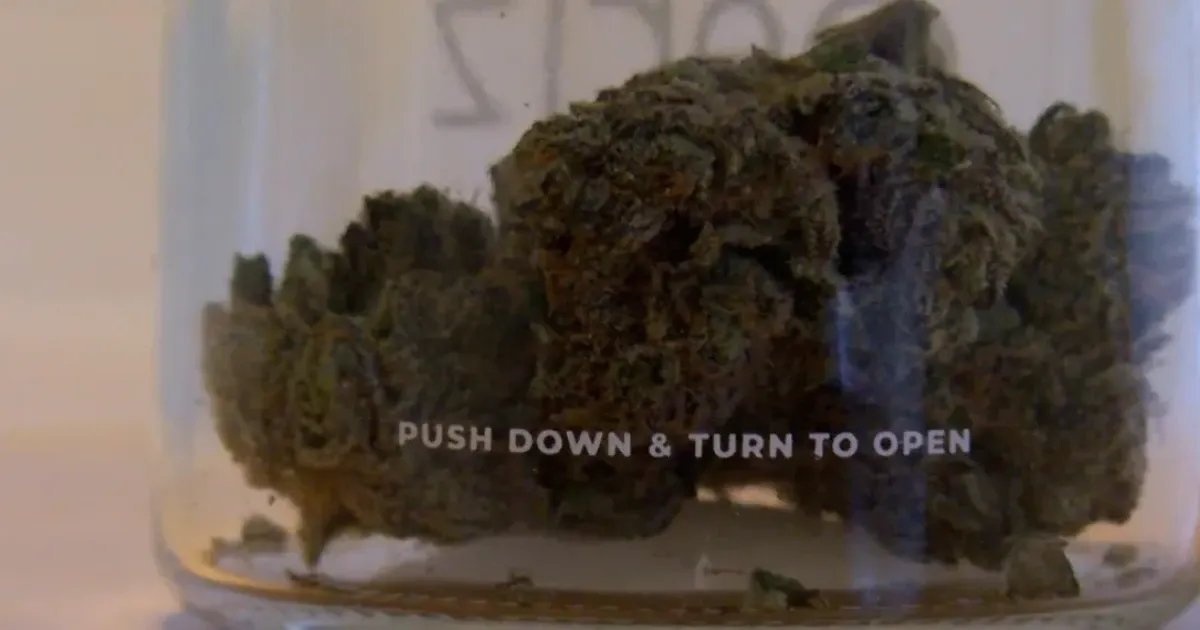
In 2019, Illinois made headlines by becoming one of the first states to legalize recreational cannabis, positioning itself as a leader in social equity within the industry. The law was celebrated for its focus on providing opportunities for communities disproportionately affected by the war on drugs. However, as the years progressed, the implementation of this law has faced significant hurdles, particularly regarding the licensing process for cannabis dispensaries.
Fast forward to April 6, 2026, the final cannabis licensing lawsuit in Illinois reached a critical juncture after nearly seven years of legal disputes. The case, brought forth by the Well-Being Holistic Group, alleges that the cannabis licensing lotteries were rigged, undermining the very principles of equity that the law aimed to uphold. Well-Being, which received perfect scores on its applications, found itself without a license due to what it claims were ineligible entries skewing the lottery results.
According to reports, there were 450 ineligible entries among the 901 total applicants for dispensary licenses. If these entries had been excluded, Well-Being would have placed 126th in the licensing process, a significant improvement from its actual position. This situation has raised serious questions about the integrity of the licensing process overseen by the Illinois Department of Financial and Professional Regulation, which allowed these ineligible entries to participate.
As of January 2026, only 64% of the licensed social equity dispensaries in Illinois were operational, highlighting the ongoing challenges faced by those who were meant to benefit from the legalization. Rev. Otis Davis, a representative of Well-Being Holistic Group, expressed the frustration of many, stating, “We just want a fair shot.” This sentiment resonates with many advocates who believe that the current system does not adequately support social equity.
How it unfolded
On the same day, Maine lawmakers rejected a bill to legalize marijuana consumption lounges, which would have allowed adults to consume cannabis in designated public spaces. The bill faced significant opposition, with 108 votes against it compared to just 35 in favor. Rep. David Boyer criticized the decision, arguing that it demonstrated a lack of respect for voters’ desires, stating, “Maine lawmakers showed their contempt for voters today by killing the cannabis hospitality lounge bill.” He further emphasized the inconsistency in allowing alcohol consumption in public while prohibiting cannabis lounges.
Meanwhile, in Virginia, the online casino legalization bill is making its way through the legislative process. This bill, which requires passage in consecutive sessions before becoming law, has been amended to delay its enactment. The earliest Virginians could expect to play online casino games is projected to be 2028, with the bill allowing up to 15 different brands to operate. This legislation marks a significant step in expanding the state’s gaming industry, but it also reflects the complex landscape of legalization efforts across various sectors.
The ongoing legal battles in Illinois and the legislative decisions in Maine and Virginia underscore the complexities and challenges of legalization efforts in the United States. The outcomes of these events will have lasting implications for those involved, particularly for communities seeking equity in the cannabis industry. As the landscape continues to evolve, stakeholders will be closely monitoring developments to ensure that the principles of fairness and opportunity are upheld in the face of legal and regulatory hurdles.