
The numbers
Warming temperatures from climate change have led tree swallows to nest up to two weeks earlier than they did in the 1970s. This shift in nesting behavior is raising alarms among researchers, as it has significant implications for the survival of these birds during unpredictable cold snaps.
Tree swallows, which belong to a guild of birds that exclusively consume flying insects, have shown a marked decline in certain regions, particularly in southeastern Canada. Conor Taff, a researcher involved in the study, noted, “A lot of early climate change literature focused on how animals respond to increases in average temperatures, but these short-term fluctuations in temperature could actually be as important, or maybe even more important, than exposure to average temperature changes.” This highlights the complex relationship between climate variability and wildlife adaptation.
The study revealed that a few days of cold temperatures during the breeding season can significantly impact the weight of adult tree swallows, as well as the growth and survival of their nestlings. In cold conditions, there is a steady decline in the feeding rates of these birds, which directly affects their ability to nurture their young. Taff further explained, “For parents that are more robust to cold temperature changes, their nestlings are more likely to grow larger and survive under those challenging conditions.” This adaptability is crucial as climate change continues to alter environmental conditions.
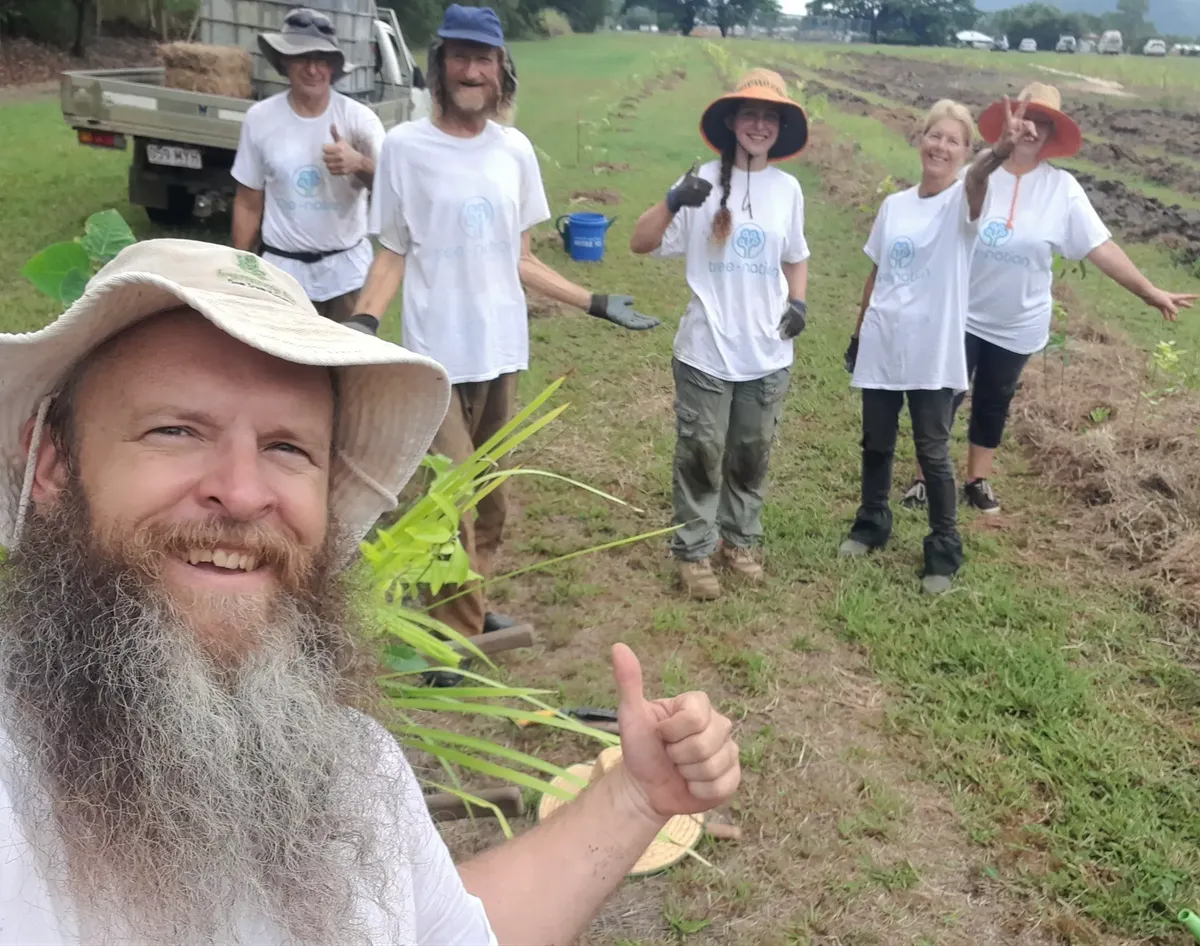
In a related effort to promote environmental sustainability, Southern Illinois University Carbondale (SIU) has been recognized by the Arbor Day Foundation as a Tree Campus Higher Education institution each year since 2015. The university has planted over 100 trees as part of its initiative to enhance its green spaces, which now feature more than 5,200 living trees. Opie Piper, a representative from SIU, stated, “SIU is proud to have one of the nation’s most beautiful campuses, and the diversity and number of trees found here is one of the reasons.” This commitment to tree planting not only beautifies the campus but also contributes to local biodiversity.
Participants in SIU’s tree planting events are encouraged to meet at parking lot 44, located at the corner of Lincoln Drive and Chautauqua Street. The initiative aims to plant various species of trees, including fruit trees that require ample sunlight and often need cross-pollination to produce fruit. Proper care is essential; after planting, it is recommended to apply about five gallons of water to each tree to ensure their successful establishment.
The implications of climate change on tree swallows and other wildlife are profound. As these birds adapt to earlier nesting, they may face increased risks from sudden temperature drops. Taff warns, “Climate change, somewhat paradoxically, might increase exposure to cold snaps, because the birds breed earlier in warmer springs when the temperature is more variable.” This unpredictability poses a challenge for species that rely on stable environmental cues for breeding and survival.
As researchers continue to monitor the effects of climate change on tree swallows and other species, the need for conservation efforts becomes increasingly urgent. The ongoing studies aim to provide insights that could help mitigate the impacts of climate change on wildlife. Details remain unconfirmed regarding the long-term effects of these changes, but the evidence thus far underscores the importance of understanding and addressing the challenges posed by a warming planet.