
What does Viktor Orbán’s relationship with Vladimir Putin mean for Hungary’s political landscape? Orbán’s recent declarations suggest a deepening alliance with the Kremlin, which could significantly impact the upcoming election in Hungary.
On October 17, 2026, during a phone call, Orbán told Putin, “I am at your service,” a statement that underscores his commitment to fostering strong ties with Russia. He likened Hungary’s relationship with Russia to that of a “mouse” assisting a “lion,” indicating a willingness to align closely with Moscow despite potential backlash.
Orbán, who has been in power for 16 years, is facing a formidable challenge from Péter Magyar in the upcoming election. The scrutiny over his government’s ties to the Kremlin has intensified, particularly as Russian intelligence agencies are alleged to be attempting to influence the electoral process in Hungary.
Support for Orbán has not been limited to domestic politics. Notably, Donald Trump endorsed him, calling Orbán a “fantastic guy” and praising his leadership. Trump’s comments came amid Orbán’s efforts to contrast Hungary’s strict immigration policies with those of its European neighbors, further solidifying his stance as the EU’s most Moscow-friendly leader.
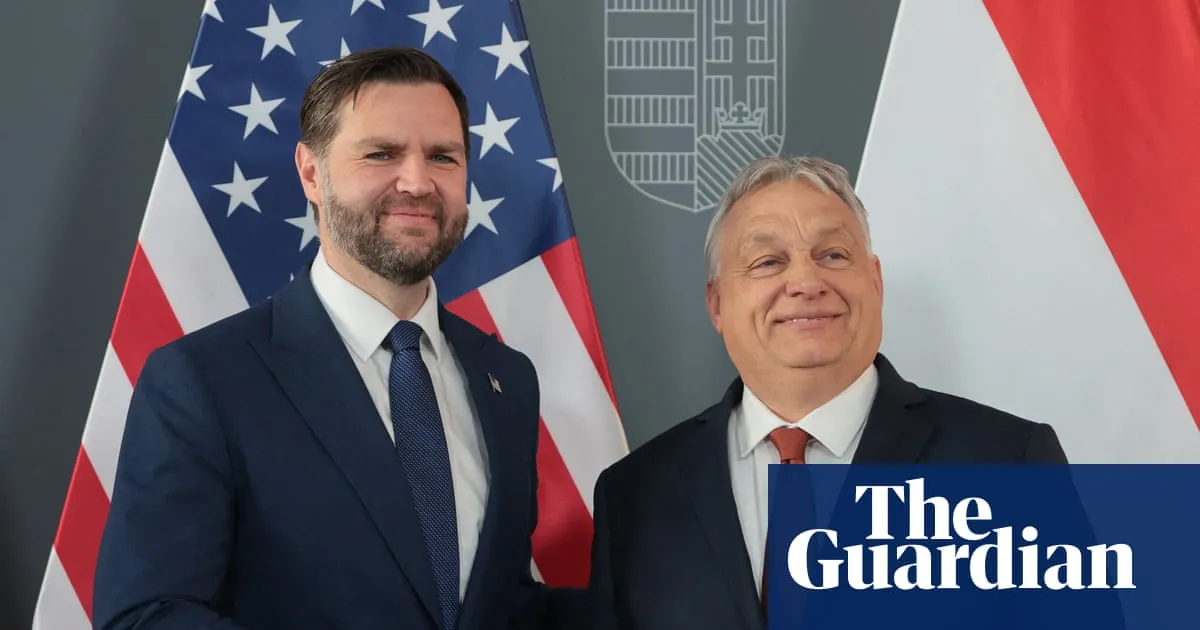
JD Vance’s recent visit to Budapest to support Orbán’s re-election campaign highlights the international dimension of this political battle. Vance’s presence underscores the ties between American and Hungarian politics, particularly among right-leaning factions.
Putin, during his call with Orbán, praised Hungary’s “independent and flexible” stance on the war against Ukraine, a position that has drawn criticism from various quarters within the EU. Orbán’s government has faced allegations of scandals regarding its relationship with Moscow, raising concerns about the implications for Hungary’s sovereignty and democratic processes.
As the election approaches, the situation remains fluid, with many in the EU closely monitoring the developments. Orbán’s campaign is set against a backdrop of increasing scrutiny and allegations of foreign influence, raising questions about the integrity of the electoral process.
With approximately 9.5 million people in Hungary, the stakes are high as voters prepare to make a decision that could shape the country’s future. Orbán’s ability to maintain power amidst these controversies will be a critical factor in determining Hungary’s path forward.
Details remain unconfirmed regarding the extent of foreign influence in the election, but the implications of Orbán’s relationship with Putin are clear: they could have lasting effects on Hungary’s political landscape and its position within the EU.