
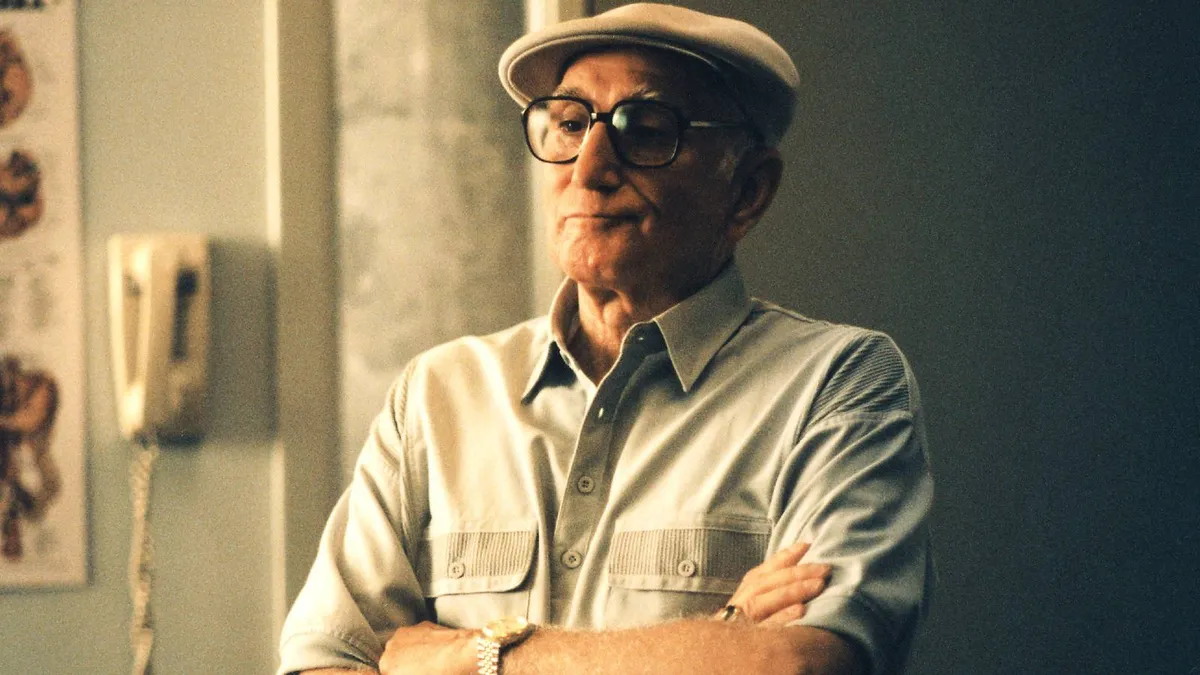
As the late 1990s approached, television was on the brink of transformation. The landscape was dominated by sitcoms and procedural dramas, but a new show was about to change everything. The Sopranos, created by David Chase, premiered on HBO in 1999, introducing audiences to the complex world of mob boss Tony Soprano, played by the late James Gandolfini. This groundbreaking series not only captivated viewers but also set the stage for a new era of television storytelling.
From its inception, The Sopranos was lauded for its deep character development and intricate narratives. The show pioneered the concept of the antihero, with Tony Soprano embodying the moral ambiguity that would become a hallmark of modern television. Audiences were drawn to his struggles with family, mental health, and the demands of his criminal empire, making him a relatable yet flawed protagonist. This approach to character complexity was revolutionary, paving the way for future shows that would explore similar themes.
Over its six-season run, The Sopranos produced a total of eighty-six episodes, each crafted with meticulous attention to detail. The series garnered critical acclaim, earning numerous awards and accolades, including multiple Emmy Awards. By the final season, Gandolfini’s salary had skyrocketed to $1 million per episode, reflecting the show’s immense popularity and financial success. In total, The Sopranos generated an estimated $2.5 billion in revenue, solidifying its status as one of HBO’s most lucrative productions.
Alongside Gandolfini, the cast featured talented actors such as Edie Falco, who played Tony’s wife, Carmela, and Michael Imperioli, who portrayed Christopher Moltisanti. By the final season, Falco and Imperioli were both earning $500,000 per episode, a testament to the show’s impact on their careers. The combined net worth of the cast now exceeds $200 million, reflecting their success in the industry.
One of the most significant contributions of The Sopranos was its exploration of mental health. The show was the first mainstream series to address these issues with compassion, particularly through Tony’s therapy sessions with Dr. Melfi, played by Lorraine Bracco. This portrayal helped destigmatize mental health discussions in popular culture, encouraging viewers to engage with these topics more openly.
However, the series was not without controversy. The infamous cut-to-black ending of the final episode polarized audiences, sparking debates about its meaning and significance. Some viewers felt it was a fitting conclusion, while others were left frustrated by the ambiguity. This divisive ending has only added to the show’s legacy, making it a frequent topic of discussion among fans and critics alike.
Today, the influence of The Sopranos can be seen in countless television series that followed. It established HBO as a leader in prestige television, setting a standard for storytelling and character development that many shows aspire to achieve. The series has inspired a new generation of writers and creators, who continue to explore complex narratives and morally ambiguous characters.
As we reflect on the impact of The Sopranos, it is clear that its legacy endures. The show’s ability to blend crime drama with profound psychological exploration has left an indelible mark on the television landscape. Its characters, themes, and groundbreaking storytelling continue to resonate, ensuring that The Sopranos will remain a pivotal part of television history for years to come.