
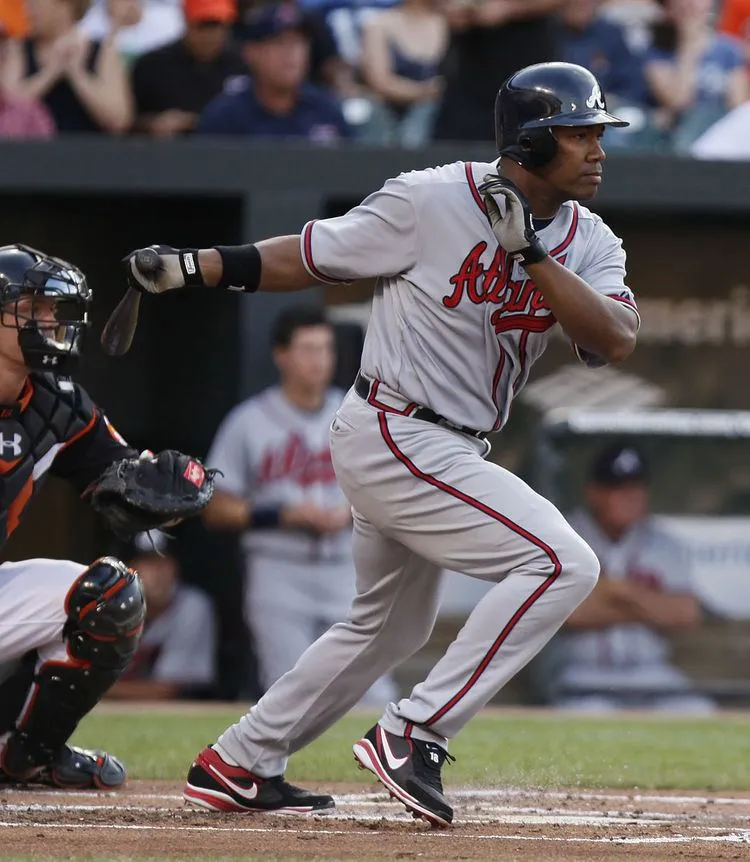
Before the tragic news broke, Garret Anderson was celebrated as a cornerstone of the Los Angeles Angels franchise. He had recently turned 53 when he suffered a heart attack, leaving fans and former teammates in shock.
Anderson’s baseball journey began in 1990 when he was drafted in the fourth round by the then-California Angels. He made his major league debut in 1994 and quickly established himself as a reliable player for the team. Over 15 of his 17 seasons were spent with the Angels, where he became their career hits leader with an impressive 2,368 hits.
In 2002, he played a pivotal role in leading the Angels to their only World Series title. That year, he batted .306 and drove in a team-leading 123 runs—an achievement that helped secure his place in baseball history.
His accolades include three All-Star selections and finishing fourth in American League MVP voting during that championship season. Anderson also won the Home Run Derby in 2003, showcasing his power at the plate.
His records are numerous: games played (2,013), at-bats (7,989), total bases (3,743), extra-base hits (796), doubles (489), and RBIs (1,292). These statistics not only highlight his offensive prowess but also his consistency over nearly two decades.
Yet it’s not just the records that define him. Arte Moreno, owner of the Angels, stated that “Garret will forever hold a special place in the hearts of Angels fans for his professionalism, class, and loyalty throughout his career and beyond.” Such sentiments reflect how deeply he was respected within the organization.
Tim Salmon expressed his devastation upon hearing of Anderson’s passing: “It’s just devastating.” Mike Trout echoed these feelings: “When I first got drafted, he was the guy. Really devastating. Great guy.” These testimonials illustrate not only Anderson’s talent but also his influence on younger players.
Anderson’s legacy is multifaceted—he is remembered not just for his statistics but for embodying what it means to be a true professional on and off the field. He never sought glory; instead, he let his performance speak for itself.
Currently, tributes pour in from all corners of baseball as fans reflect on Anderson’s impact on their lives and the sport itself. His death leaves a void that will be felt for years to come.
This sequence of events matters because it highlights how one athlete can profoundly affect an entire community—a reminder of both mortality and legacy in sports.